
Common CNC Machining Tolerance Mistakes to Avoid
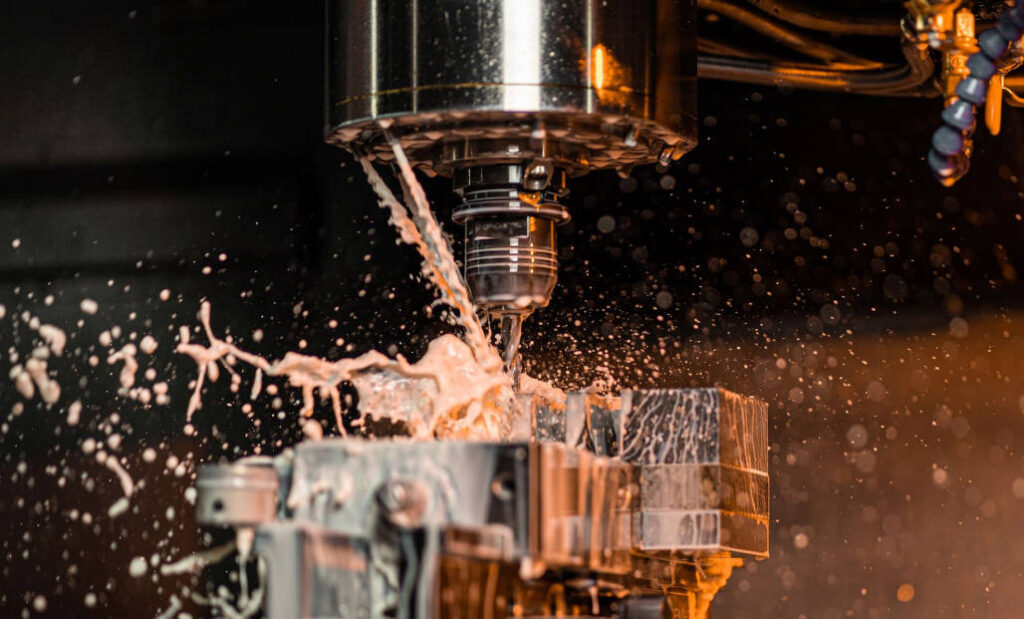
The most common CNC machining tolerance mistakes include applying tight tolerances to every feature, missing datum references, using unclear drawings, ignoring process limitations, and failing to match tolerances with real functional requirements. These mistakes can increase machining cost, delay delivery, cause assembly problems, and lead to unnecessary part rejection. CNC machining tolerances are not just […]
How to Reduce CNC Machining Costs Without Sacrificing Quality
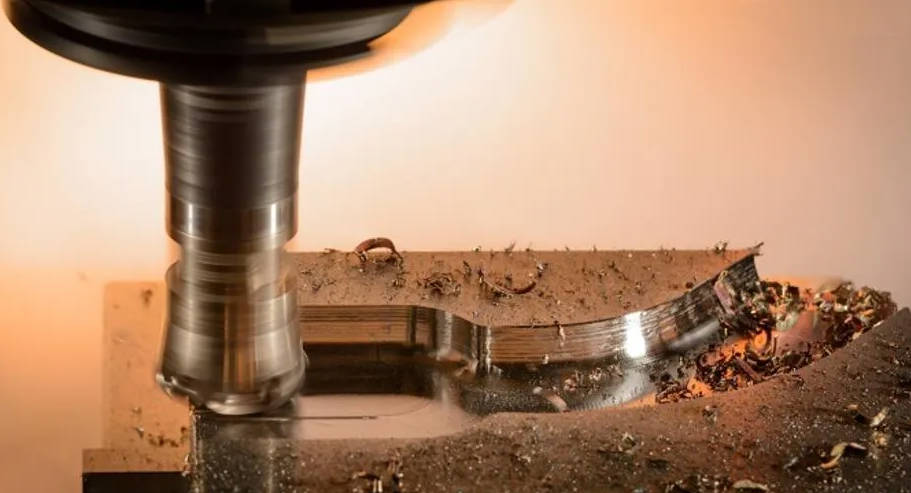
The most effective way to reduce CNC machining costs is not to choose the cheapest supplier, but to optimize the part design, material, tolerance, surface finish, production quantity, and supplier communication before machining starts. A well-designed part can often be machined faster, inspected more efficiently, and produced with fewer risks while still meeting functional requirements. […]
The Ultimate Guide to Plastic CNC Machining: Comparing ABS, POM, Nylon, and PEEK
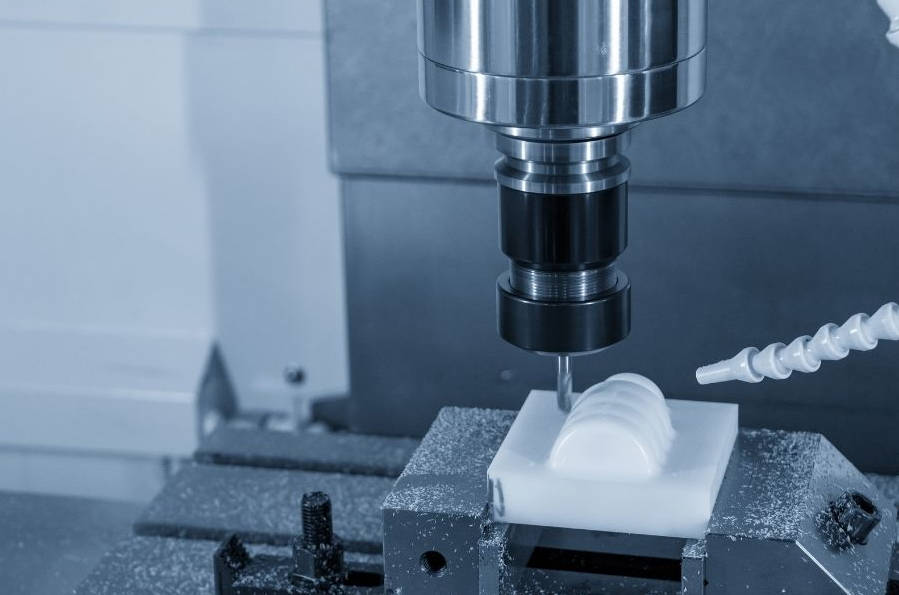
In the world of precision engineering, the conversation often gravitates toward metals like titanium or stainless steel. However, Plastic CNC Machining has undergone a revolution. With the advent of high-performance polymers, plastic components are no longer relegated to simple prototypes; they are now essential for mission-critical applications in medical devices, aerospace systems, and high-frequency electronics. […]
Aluminum CNC Machining: A Comprehensive Guide to Grades, Benefits, and Applications
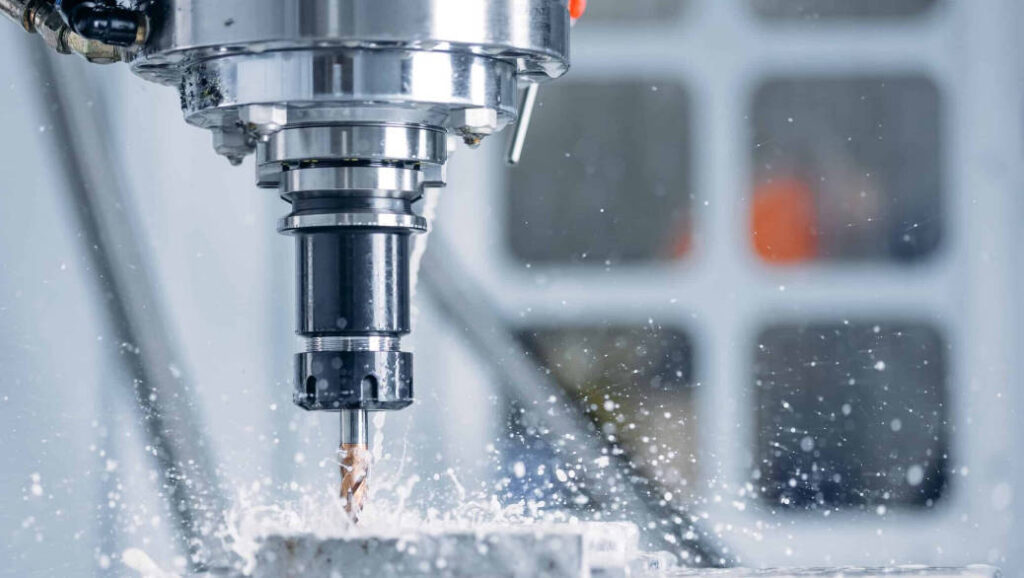
In the rapidly evolving landscape of modern manufacturing, Aluminum CNC machining has emerged as the cornerstone of precision engineering. From the sleek unibodies of high-end smartphones to the mission-critical structural components of aerospace vessels, aluminum alloys offer a unique combination of versatility, performance, and cost-effectiveness. As industries demand tighter tolerances and faster production cycles, partnering […]
Titanium CNC Machining: Challenges and Solutions
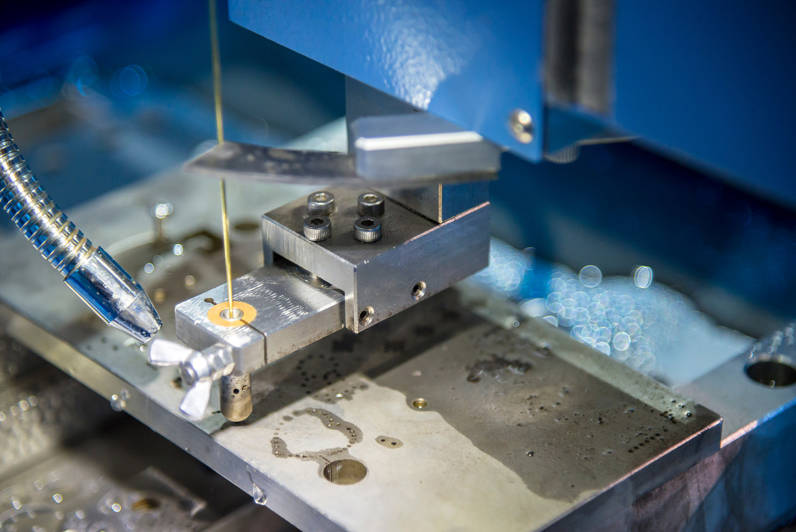
Titanium, a marvel of modern metallurgy, is celebrated for its unparalleled performance across critical sectors. Yet, its inherent characteristics – low thermal conductivity, high chemical reactivity, and significant strength even at elevated temperatures – transform CNC machining into a complex art rather than a simple process. This comprehensive guide delves into the intricate challenges posed […]
Aluminum CNC Machining: A Comprehensive Guide to Grades, Benefits, and Applications
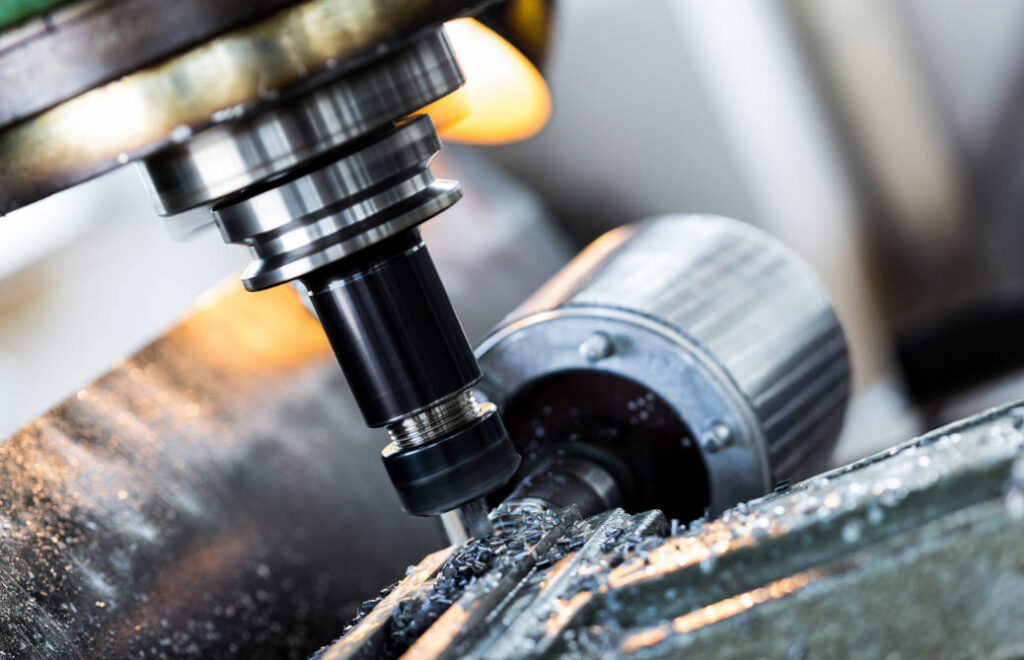
Aluminum CNC machining is the precision manufacturing process of using computer-controlled milling and turning centers to cut, shape, and refine aluminum alloy workpieces into intricate, high-tolerance parts. It is highly favored in modern engineering due to aluminum’s exceptional strength-to-weight ratio, high thermal and electrical conductivity, and superior machinability, making it the material of choice for aerospace, […]
Stainless Steel CNC Machining: 304 vs 316 Comparison Guide
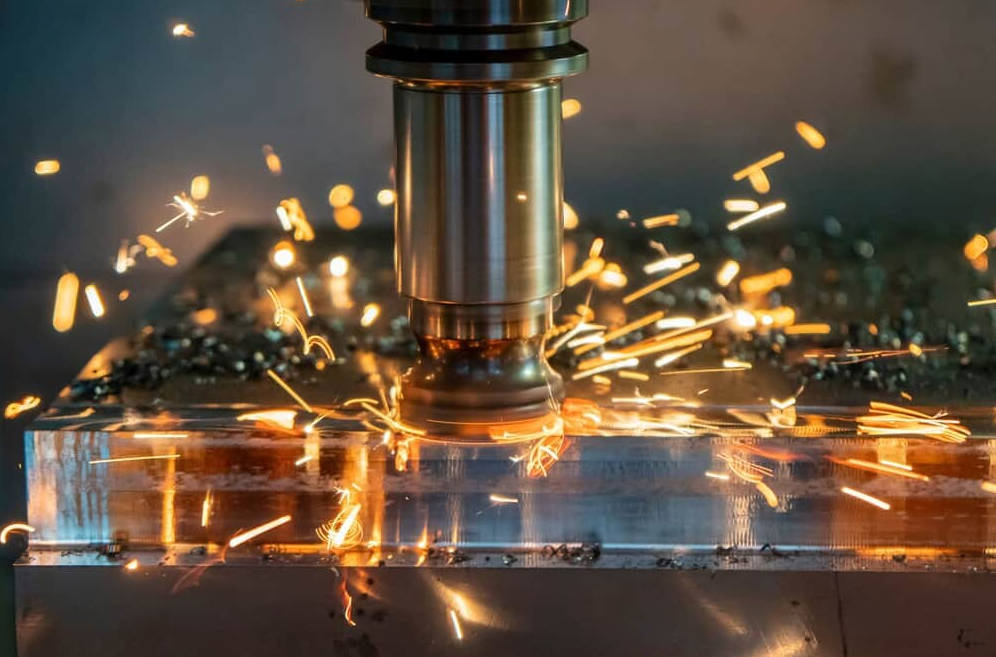
Understanding the Basics: 304 vs 316 In the realm of precision CNC machining, selecting the correct material is as critical as the programming of the toolpath itself. Both 304 and 316 stainless steels are members of the austenitic family of stainless steels. They are non-magnetic, possess excellent formability, and are widely used across industries ranging from medical devices […]
Bead Blasting vs Anodizing: Which Surface Finish Is Better?
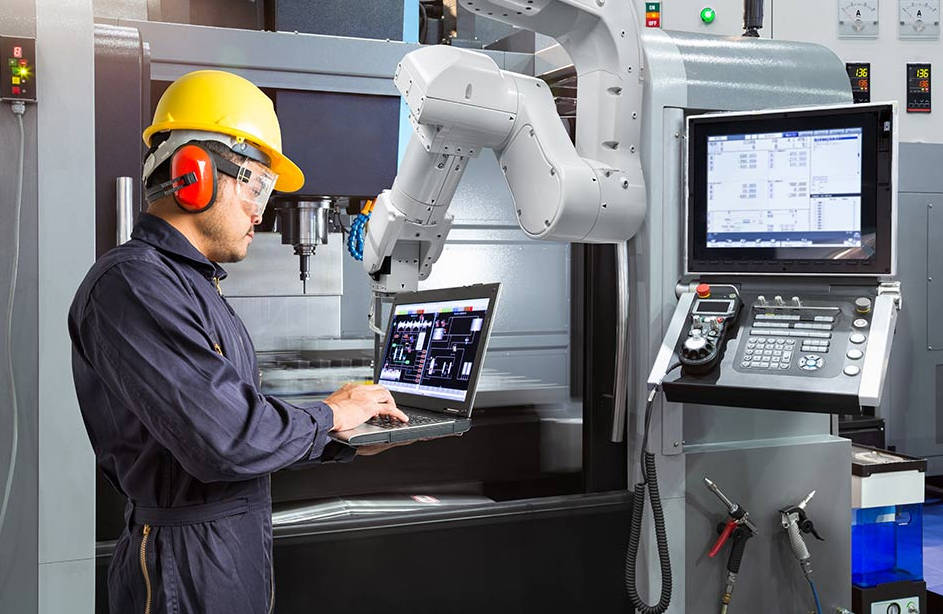
Introduction: The Featured Snippet When comparing bead blasting vs anodizing, the key difference lies in their operational methods and functional outcomes. Bead blasting is a mechanical surface finishing process that propels fine glass beads at high pressure toward a part to create a uniform, non-directional matte texture. Conversely, anodizing is an electrochemical process that permanently thickens the natural oxide layer […]
CNC Machining for Aerospace Parts: Why 5 Axis Matters
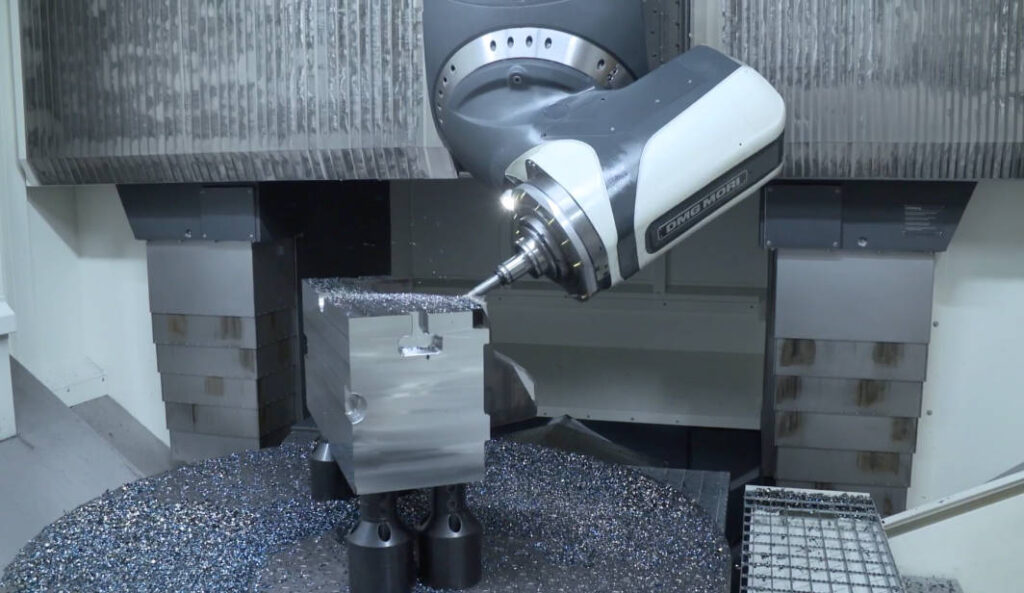
5-axis CNC machining for aerospace parts matters because it allows manufacturers to continuously mill highly complex geometries—such as turbine blades and blisks—in a single setup. By maneuvering cutting tools across five distinct axes simultaneously, this advanced manufacturing process achieves the extreme precision, ultra-tight tolerances (up to ±0.0001 inches), and superior surface finishes required for flight-critical […]
What is Surface Roughness in CNC Machining?
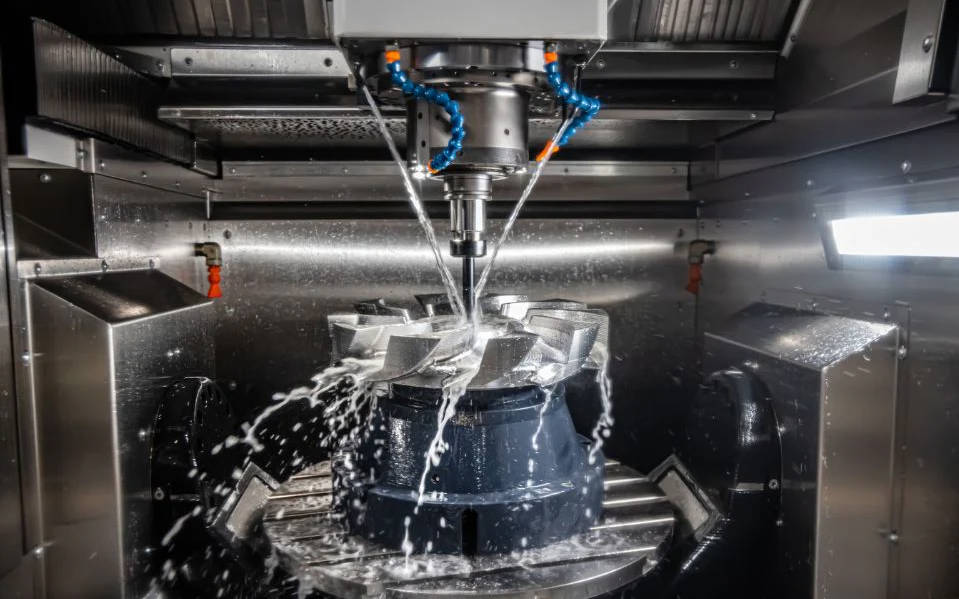
Surface roughness in CNC machining refers to the measure of the finely spaced, microscopic irregularities left on the surface of a part by the cutting tool during the manufacturing process. The most common metric used to quantify this texture is the Ra value (Roughness Average), which calculates the average deviation of a surface profile from its theoretical […]