Introduction: The Featured Snippet
When comparing bead blasting vs anodizing, the key difference lies in their operational methods and functional outcomes. Bead blasting is a mechanical surface finishing process that propels fine glass beads at high pressure toward a part to create a uniform, non-directional matte texture. Conversely, anodizing is an electrochemical process that permanently thickens the natural oxide layer of specific metals—most commonly aluminum—to provide exceptional corrosion resistance, surface hardness, and the ability to dye the part in various colors. Neither surface finish is objectively “better” overall; rather, bead blasting is ideal for cosmetic texturing and removing machining marks, whereas anodizing is crucial for environmental protection, electrical insulation, and long-term durability. Often, for high-end consumer products, these two processes are combined to achieve a premium matte, colored finish.
In the realm of CNC machining and custom manufacturing, selecting the optimal post-processing technique is critical to the success of your product. Whether you are engineering aerospace components, medical devices, or sleek consumer electronics, understanding the nuanced differences between mechanical abrasion and electrolytic passivation will save you time, reduce manufacturing costs, and improve product performance. This comprehensive guide will dissect both methods, examining their mechanics, material compatibilities, and cost implications to help you make an authoritative, data-backed decision.
What is Bead Blasting?
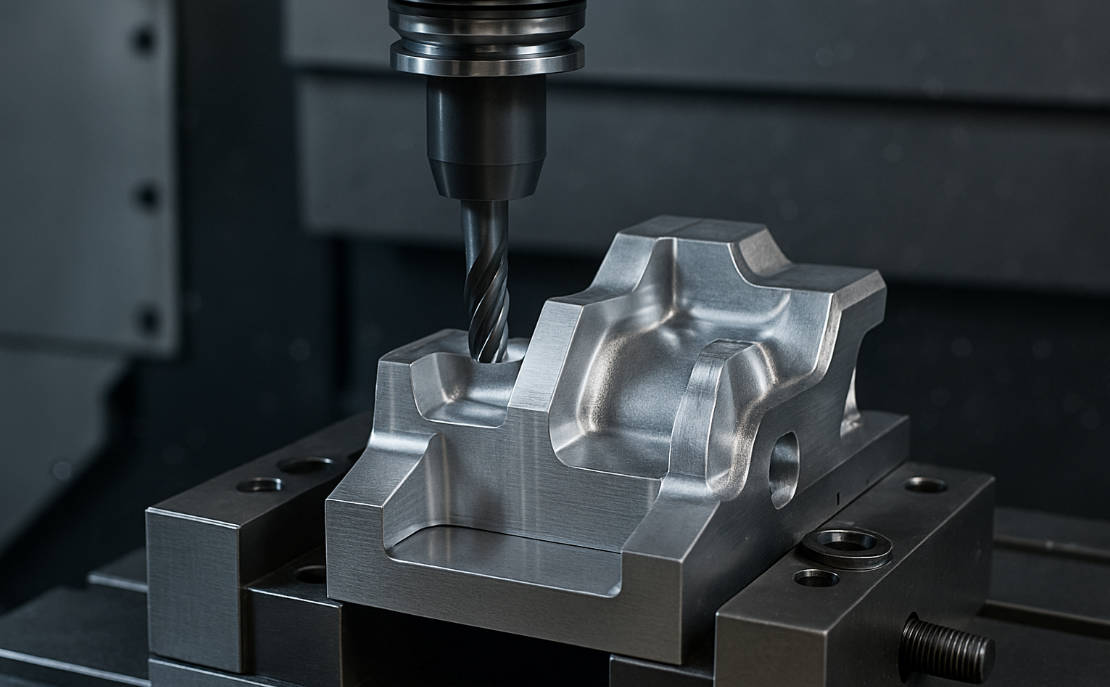
Bead blasting is a highly popular mechanical surface treatment utilized across various manufacturing sectors to alter the physical topography of a machined part. By directing a high-velocity stream of spherical abrasive particles against the surface of a material, manufacturers can successfully eradicate superficial blemishes, burrs, and tooling marks left behind by CNC milling or turning operations. Unlike sandblasting, which utilizes jagged silica sand that can severely alter the dimensional accuracy of a part, bead blasting relies on perfectly spherical media.
The Bead Blasting Process
The operational mechanics of bead blasting are straightforward yet highly effective. Parts are placed inside an enclosed blasting cabinet, where an operator or an automated robotic arm uses a pressurized air gun to shoot fine glass beads at the component’s surface. The spherical nature of these glass beads is paramount; instead of cutting into the metal and removing significant layers of material, they impact the surface. This peening action creates small, uniform dimples, resulting in a smooth, satin, or matte finish.
Engineers can dictate the exact roughness of the final product by altering the size of the glass beads and the air pressure used during the operation. Fine glass beads yield a smoother, more delicate satin finish, whereas larger beads at higher pressures generate a more pronounced, textured matte appearance. Because the process is primarily subtractive on a microscopic level, it requires careful calibration to ensure that tight tolerances on precision-machined parts are not inadvertently compromised, although it is generally considered dimensionally safe for most applications.
Pros and Cons of Bead Blasting
Evaluating the advantages and limitations of bead blasting is essential for aligning the finish with your project’s specifications. On the positive side, bead blasting is an incredibly cost-effective and rapid method for improving a part’s aesthetics. It excellently masks cosmetic imperfections, providing a uniform, non-directional finish that prevents glare and reflections. Furthermore, because glass beads are chemically inert, the process does not leave unwanted chemical residues or embed harmful contaminants into the substrate.
However, bead blasting is not without its drawbacks. The most significant limitation is that it provides zero enhanced corrosion resistance or chemical protection. A bead-blasted aluminum part remains raw metal; if exposed to harsh environments, moisture, or salt, it will oxidize and degrade just as quickly as an unfinished part. Additionally, the process can sometimes cause surface work-hardening, and if not carefully controlled, it may alter highly precise dimensional tolerances or damage delicate, thin-walled features.
What is Anodizing?
Anodizing represents a fundamentally different approach to surface finishing. Rather than mechanically altering the surface texture, anodizing is a controlled electrochemical process that converts the exterior of a metal into a durable, corrosion-resistant, anodic oxide finish. While other non-ferrous metals like titanium and magnesium can be anodized, the process is predominantly and most famously associated with aluminum alloys.
How the Anodizing Process Works
How does anodizing work at a molecular level? The process involves immersing the meticulously cleaned aluminum part into an electrolytic bath, which is typically composed of sulfuric acid. The part itself acts as the positive electrode (the anode), while plates within the bath serve as the negative electrode (the cathode). When a direct electrical current is passed through the solution, oxygen ions are released from the electrolyte and combine with the aluminum atoms at the surface of the part.
This reaction builds a highly ordered, porous network of aluminum oxide that is fully integrated with the underlying metallic substrate. Because the oxide layer is grown *from* the metal itself rather than painted or plated onto the surface, it cannot chip, peel, or flake off. The process is generally categorized into different types, primarily Type II (Standard Sulfuric Acid Anodizing), which is excellent for coloring and general protection, and Type III (Hardcoat Anodizing), which operates at lower temperatures to build a much thicker, denser oxide layer engineered for extreme wear resistance and industrial applications.
Pros and Cons of Anodizing
The benefits of anodizing are substantial, particularly for parts designed for outdoor use or rigorous mechanical operations. The anodic layer provides superior resistance to corrosion, significantly extending the lifespan of the component. Furthermore, the porous nature of the newly formed oxide layer acts like a microscopic sponge, allowing it to absorb specialized dyes. This means anodized parts can be colored in brilliant, fade-resistant hues—ranging from deep blacks to vibrant reds and blues—before the pores are permanently sealed. It also acts as an excellent electrical insulator.
Conversely, the limitations of anodizing revolve around cost, complexity, and material constraints. Anodizing is more expensive and time-consuming than simple bead blasting. It is also highly specific to the material being processed; you cannot anodize carbon steel, iron, or plastics. Additionally, because the oxide layer grows outward and penetrates inward, anodizing does alter the dimensional footprint of the part, which must be carefully calculated by design engineers when dealing with high-precision interference fits.
Key Differences: Bead Blasting vs. Anodizing
To definitively answer “Which surface finish is better?”, we must perform a side-by-side comparison across several critical engineering and aesthetic vectors. The choice rarely comes down to one being superior in a vacuum; it depends entirely on the required functionality of the end-use component.
Process Type: Mechanical vs. Electrochemical
The most foundational difference lies in the methodology. Bead blasting is a strictly mechanical surface treatment. It relies on kinetic energy and friction to physically alter the macroscopic and microscopic landscape of the part. There is no chemical alteration to the metal’s composition. Anodizing is an electrochemical surface treatment. It facilitates a chemical reaction that permanently changes the molecular structure of the part’s outer layer, converting raw metal into a ceramic-like metal oxide.
Material Compatibility
Material compatibility often serves as the initial deciding factor for manufacturing engineers. Bead blasting is incredibly versatile; it can be applied to almost any solid material. This includes all metals (aluminum, steel, stainless steel, brass, titanium), hard plastics, and even glass or wood. Anodizing, conversely, is highly restricted. While titanium and magnesium can be anodized via specific methods, the traditional anodizing process discussed in manufacturing primarily applies exclusively to aluminum alloys. If you are machining a part out of stainless steel or Delrin, anodizing is inherently off the table.
Durability and Corrosion Resistance
When assessing environmental survivability, anodizing is the undisputed champion. The thick aluminum oxide layer created by Type II or Type III anodizing prevents atmospheric oxygen, moisture, and corrosive chemicals from reaching the raw aluminum beneath, thereby stopping oxidation and rust in its tracks. Hardcoat anodizing also pushes the surface hardness to levels comparable to hardened steel, offering immense scratch and wear resistance. Bead blasting provides no barrier against the elements. A bead-blasted part is highly susceptible to fingerprint smudging, environmental corrosion, and rapid degradation if not subsequently coated.
Aesthetics and Color Options
From a cosmetic standpoint, both finishes offer distinct visual appeals. Bead blasting delivers a gorgeous, uniform matte or satin finish that successfully hides machine lines. However, the color is restricted to the natural hue of the base metal. Anodizing opens the door to a wide spectrum of colors. Because the anodized layer is porous before sealing, it can be dyed. However, anodizing alone does not remove deep machine tool marks; if a part is aggressively machined and then anodized, the tool marks will still be visible underneath the colorful, shiny anodic layer.
| Feature | Bead Blasting | Anodizing |
|---|---|---|
| Process Type | Mechanical abrasive impact | Electrochemical passivation |
| Primary Benefit | Removes tool marks, creates matte texture | Prevents corrosion, adds surface hardness |
| Material Compatibility | Almost all metals and hard plastics | Primarily Aluminum (also Titanium/Magnesium) |
| Color Options | None (retains base metal color) | Wide variety of custom dyed colors |
| Corrosion Resistance | None | Excellent to Extreme (Type III) |
| Relative Cost | Low | Medium to High |
Can You Combine Bead Blasting and Anodizing?
One of the most valuable secrets in premium product design is that you do not necessarily have to choose between the two. In fact, for many high-end consumer products—such as laptops, smartphones, and custom mechanical keyboards—combining bead blasting and anodizing is the industry standard.
This hybrid approach leverages the strengths of both processes while neutralizing their weaknesses. First, the raw machined aluminum component is subjected to bead blasting. This physically erases unsightly CNC milling patterns and establishes a visually pleasing, non-directional matte texture. Following the mechanical blast, the part is thoroughly cleaned and transferred to the anodizing line. The electrochemical process converts that matte surface into a hard, corrosion-resistant oxide layer, which can then be dyed. The final result is a part that is structurally protected, vibrantly colored, and possesses a luxurious, glare-free, velvety tactile feel.
How to Choose the Right Surface Finish for Your Parts
Determining which surface finish is best suited for your project requires a holistic evaluation of your part’s lifecycle, environment, and budget. Ask yourself the following questions: What environment will the part operate in? Is cosmetic appearance a priority? What is the base material?
If you are manufacturing a stainless steel enclosure that requires a uniform look but operates in a climate-controlled room, bead blasting alone is an excellent, cost-effective choice. If you are designing an external aluminum heat sink for an automotive application that will face rain, salt, and debris, anodizing (specifically Type III hardcoat) is mandatory to ensure the part does not fail prematurely.
For projects demanding both aesthetic perfection and environmental resilience, budget permitting, stipulate a combined “bead blast and anodize” callout on your engineering drawings. Working closely with your CNC machining partner or finishing vendor to specify bead sizes, blast pressures, and anodize thicknesses will ensure the final product meets your exacting standards without unnecessary cost overruns.
Conclusion
In the debate of bead blasting vs anodizing, there is no definitive loser—only processes that are either applied correctly or incorrectly based on the engineering context. Bead blasting excels as a mechanical method for achieving a flawless, matte cosmetic surface across a wide variety of materials. Anodizing stands out as a specialized electrochemical treatment vital for enhancing the durability, corrosion resistance, and color profiles of aluminum components.
By understanding the fundamental mechanics, material constraints, and functional benefits of each finishing technique, product developers and engineers can make informed, authoritative decisions. Whether you choose to blast, anodize, or combine both, mastering these post-processing techniques is a crucial step in transforming a raw, machined piece of metal into a professional, market-ready product.