In the world of precision engineering, the conversation often gravitates toward metals like titanium or stainless steel. However, Plastic CNC Machining has undergone a revolution. With the advent of high-performance polymers, plastic components are no longer relegated to simple prototypes; they are now essential for mission-critical applications in medical devices, aerospace systems, and high-frequency electronics.
At HKAA Industrial, we specialize in transforming raw polymer resins into high-tolerance, complex components. Choosing the right plastic is not just about cost—it’s about understanding the synergy between material properties and machining behavior. This ultimate guide explores the “Big Four” of industrial plastics: ABS, POM, Nylon, and PEEK.
1. The Rise of Precision Plastic CNC Machining
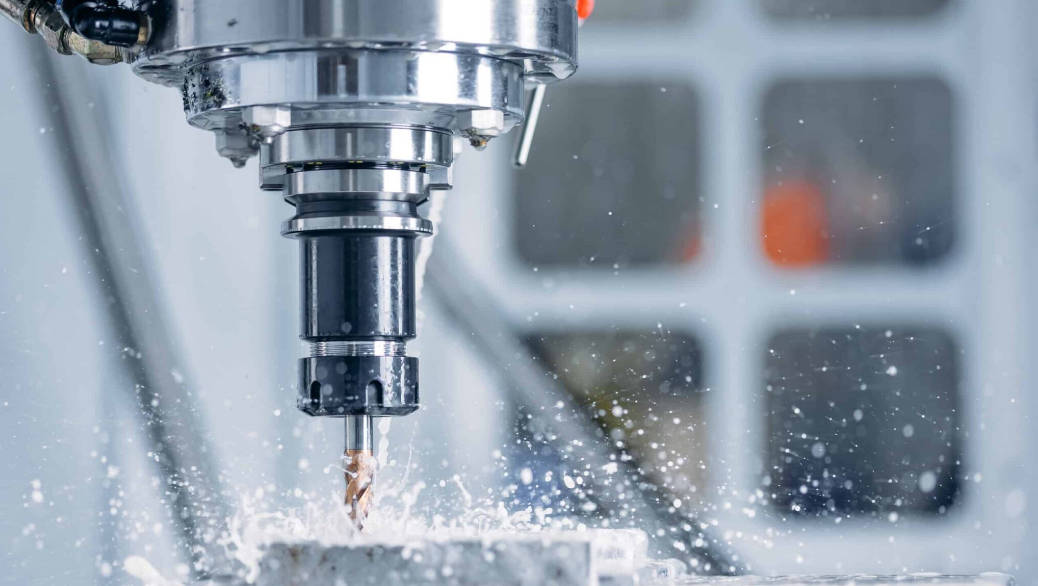
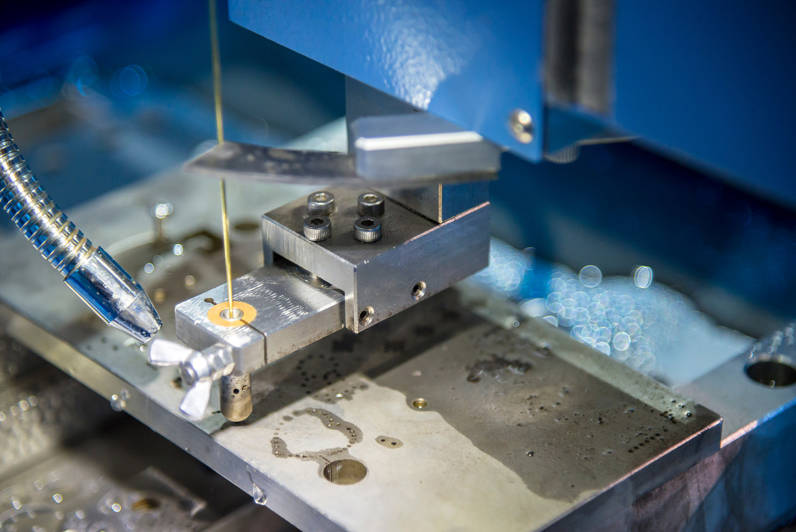
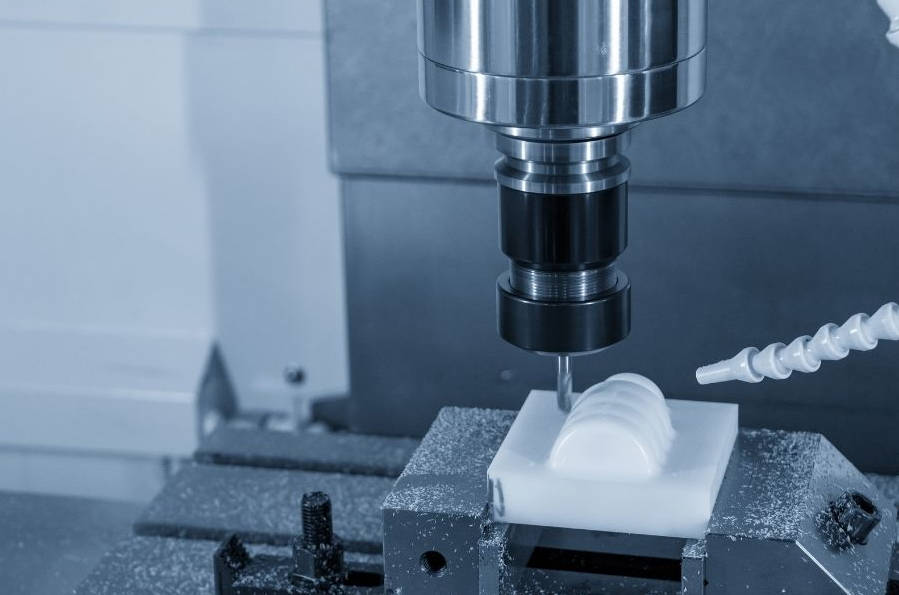
Plastic CNC machining is a subtractive manufacturing process that uses computer-controlled tools to remove material from a solid plastic block. Unlike injection molding, which requires expensive tooling and long lead times, CNC machining offers:
- Extreme Precision: Achieve tolerances as tight as ±0.01mm.
- Design Flexibility: Ideal for low-to-medium volume production and complex geometries.
- No Tooling Costs: Direct-from-CAD manufacturing reduces the initial financial barrier.
For brands like HKAA Industrial, mastering plastic requires a different mindset than metal. Plastics have higher thermal expansion coefficients and lower melting points, meaning thermal management is the key to preventing deformation.
2. ABS: The Versatile Prototype King
Acrylonitrile Butadiene Styrene (ABS) is perhaps the most well-known thermoplastic in the world. In the realm of CNC machining, it is the go-to choice for functional prototypes and structural housings.
Key Characteristics of ABS:
- Impact Resistance: Excellent toughness even at low temperatures.
- Machinability: ABS cuts cleanly and is easy to glue or weld.
- Cost-Effectiveness: One of the most affordable engineering plastics.
When to Choose ABS?
ABS is ideal for Plastic CNC machining projects where the part needs to be rugged but not exposed to extreme heat or harsh chemicals. It is widely used in automotive dashboards, electronic enclosures, and consumer appliance housings.
3. POM (Delrin): The Machinist’s Favorite
Polyoxymethylene (POM), commonly known by the brand name Delrin, is an acetal resin that sits at the top of the list for precision components. If your part has gears, bearings, or sliding mechanisms, POM is likely your best candidate.
Key Characteristics of POM:
- Dimensional Stability: Low moisture absorption means it holds its shape perfectly.
- Low Friction: Naturally lubricious, reducing the need for external oils.
- High Stiffness: Offers a “metallic” feel and excellent snap-fit performance.
The HKAA Industrial Advantage with POM:
Because POM produces small, brittle chips rather than stringy nests, it allows for high-speed Plastic CNC machining. This translates to shorter cycle times and lower costs for high-precision mechanical parts like fuel system components and conveyor links.
4. Nylon: The Wear-Resistant Workhorse
Nylon (Polyamide), specifically PA6 and PA66, is prized for its mechanical strength and ability to withstand friction. It is a “tough” material that can absorb significant energy before failing.
Key Characteristics of Nylon:
- Wear Resistance: Superior to almost all other common plastics.
- Chemical Resistance: Resists hydrocarbons, oils, and fuels.
- Damping Properties: Absorbs noise and vibration effectively.
Critical Consideration:
Nylon is hygroscopic, meaning it absorbs water from the environment. This can cause the part to swell slightly over time. When HKAA Industrial machines Nylon for high-tolerance applications, we account for this moisture-induced expansion in the initial design phase to ensure long-term fitment.
5. PEEK: The High-Performance Titan
When ordinary plastics fail, Polyether Ether Ketone (PEEK) takes over. This is a high-performance “super plastic” used in the most demanding environments on Earth—and beyond.
Key Characteristics of PEEK:
- Thermal Stability: Operates continuously at temperatures up to 250°C (480°F).
- Biocompatibility: Safe for medical implants and surgical tools.
- Extreme Strength: Often replaces metal in aerospace weight-saving initiatives.
Machining Challenges of PEEK:
PEEK is expensive and difficult to machine. It requires specialized tooling and precise stress-relieving (annealing) processes to prevent cracking during the Plastic CNC machining cycle. Partnering with a specialized firm like HKAA Industrial is essential when dealing with PEEK to avoid costly material waste.
6. Technical Material Comparison Table
| Property | ABS | POM (Delrin) | Nylon (PA66) | PEEK |
| Max Service Temp | ~80°C | ~100°C | ~95°C | ~250°C |
| Machinability | Excellent | Superior | Good | Moderate |
| Moisture Absorption | Low | Very Low | High | Very Low |
| Cost | $ | $$ | $$ | $ |
| Best For | Housings/Prototypes | Gears/Valves | Bearings/Bushings | Medical/Aerospace |
7. Overcoming Challenges in Plastic CNC Machining
Machining plastics is not just “soft metal machining.” At HKAA Industrial, we address several unique polymer challenges:
Thermal Expansion and Heat Management
Plastics expand up to 10 times more than steel when heated. If the cutting tool generates too much friction, the plastic will expand, leading to “oversized” cuts that shrink once the part cools. We utilize high-pressure air cooling and sharp, polished carbide tools to minimize heat soak.
Stress Relieving (Annealing)
Many plastics have internal stresses from the extrusion process. When material is removed, these stresses are released, causing the part to warp. For high-stability materials like PEEK and POM, we implement intermediate annealing cycles to ensure the finished part remains perfectly flat and true.
Burring and Surface Finish
Soft plastics like Nylon tend to produce “furry” edges or burrs. Achieving a medical-grade finish requires specific tool geometries—typically high-rake, high-relief angles—that shear the plastic rather than pushing it.
8. Surface Finishing for Plastic Components
While most Plastic CNC machining results in a clean “as-machined” finish, HKAA Industrial offers several post-processing options:
- Vapor Polishing: Uses chemical vapors to melt the surface slightly, resulting in a glass-like transparency (perfect for clear plastics like Polycarbonate).
- Bead Blasting: Provides a uniform matte finish and removes tool marks.
- Flame Polishing: Quick and effective for smoothing edges on acrylic and ABS.
- Laser Etching: Permanent marking for serial numbers or branding.
9. Why Partner with HKAA Industrial for Your Plastic Projects?
Successful Plastic CNC machining requires a deep understanding of polymer chemistry and mechanical engineering. HKAA Industrial provides a comprehensive solution for global clients:
- Material Expertise: We help you choose the right grade, whether it’s medical-grade PEEK or glass-filled Nylon for extra rigidity.
- State-of-the-Art Technology: Our multi-axis CNC centers are optimized for high-speed plastic cutting, ensuring clean edges and tight tolerances.
- Quality Assurance: Utilizing CMM inspection and ISO-certified workflows, we guarantee every part meets your exact specifications.
- DFM (Design for Manufacturing): Our engineers review your designs to suggest adjustments that can lower costs and improve the structural integrity of the plastic part.
10. Conclusion
From the cost-effective versatility of ABS to the extreme performance of PEEK, the world of Plastic CNC machining offers a material for every challenge. Understanding the nuances of POM’s stability versus Nylon’s toughness is what separates a failed prototype from a successful production run.
Whether you are developing a new medical device or a lightweight aerospace component, HKAA Industrial has the expertise to bring your vision to life with precision and efficiency.