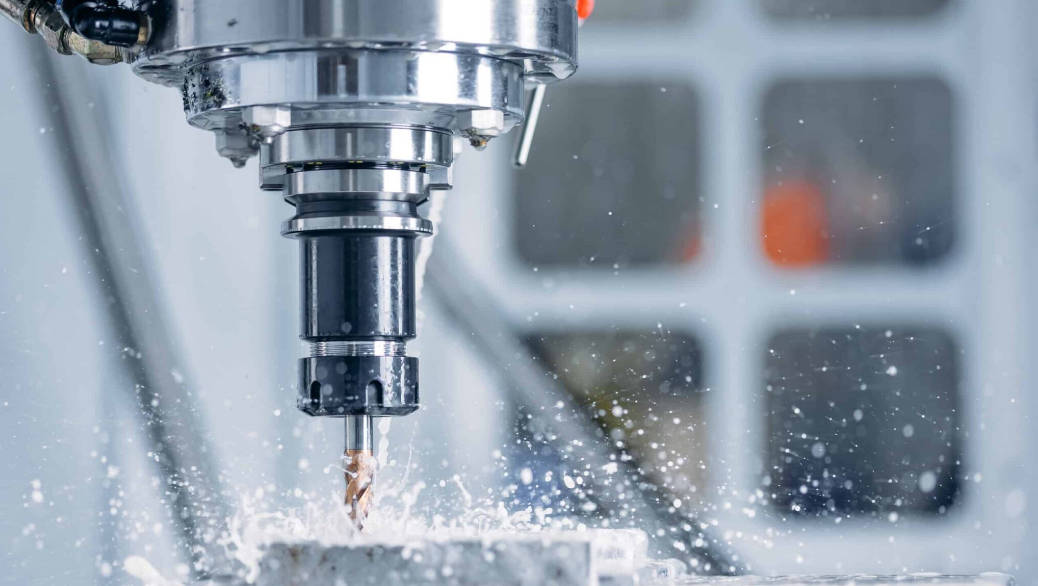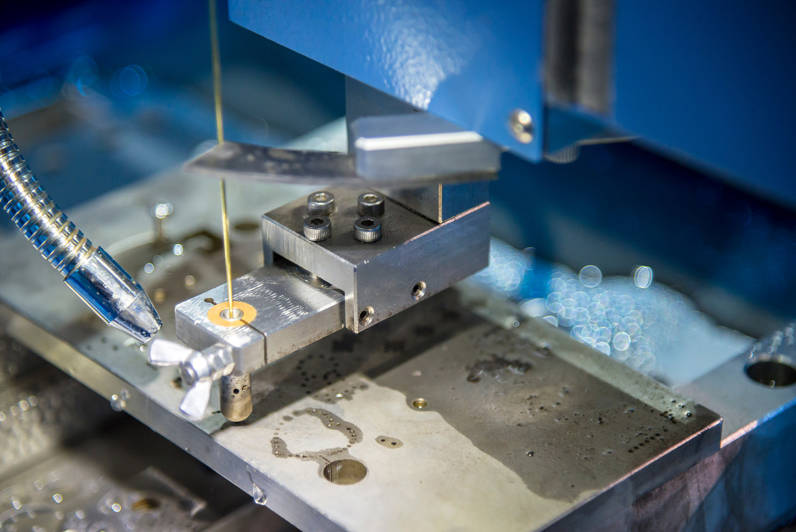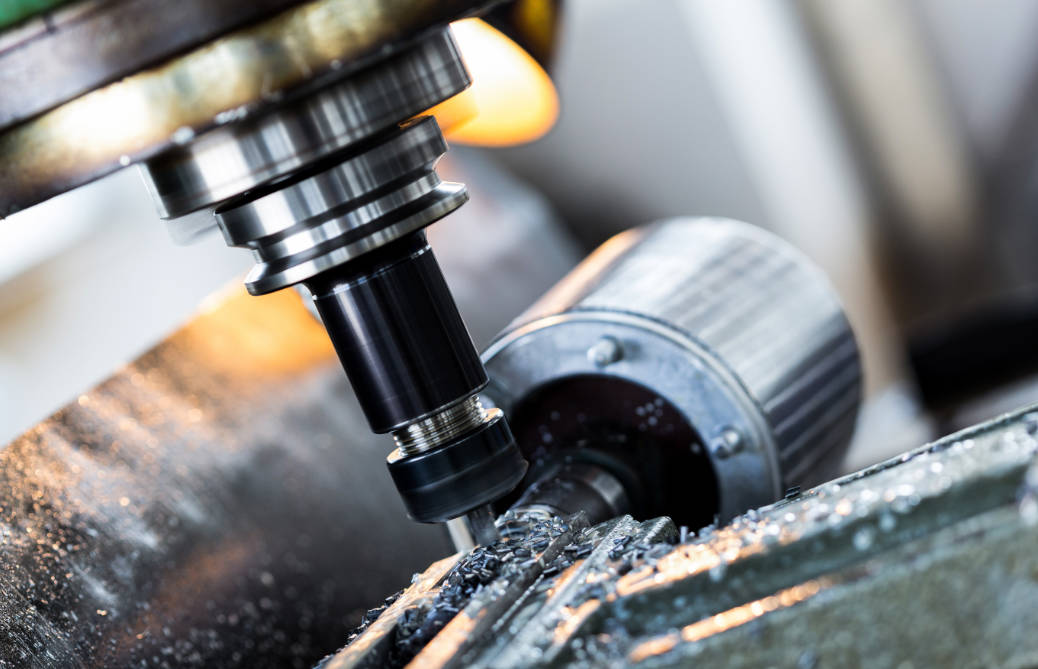
Aluminum CNC machining is the precision manufacturing process of using computer-controlled milling and turning centers to cut, shape, and refine aluminum alloy workpieces into intricate, high-tolerance parts. It is highly favored in modern engineering due to aluminum’s exceptional strength-to-weight ratio, high thermal and electrical conductivity, and superior machinability, making it the material of choice for aerospace, automotive, and consumer electronic industries.
1. The Core Benefits of Aluminum CNC Machining
Manufacturers prioritize aluminum for CNC operations because it bridges the gap between mechanical performance and production efficiency. Unlike steel or titanium, which are harder and more abrasive on tools, aluminum allows for rapid material removal rates.
Superior Strength-to-Weight Ratio
One of the primary advantages of aluminum is its low density coupled with high structural integrity. This allows engineers to design components that are lightweight but capable of withstanding significant mechanical stress. In industries like aerospace, reducing the weight of a component without sacrificing durability is critical for fuel efficiency.
Exceptional Machinability
Aluminum is considered one of the easiest metals to machine. It is soft enough to permit high-speed cutting, which reduces cycle times and extends the lifespan of cutting tools. This translates into lower production costs per unit, making it an ideal choice for both prototyping and high-volume production runs.
Surface Finish and Anodizing Capabilities
Aluminum responds exceptionally well to various post-processing techniques. Whether the goal is aesthetic or functional, aluminum can be polished, bead-blasted, or anodized. Anodizing not only improves corrosion resistance but also provides a hard surface layer and allows for vibrant color finishes, which is essential for consumer-facing hardware.
2. Top Aluminum Grades Used in CNC Manufacturing
Not all aluminum is created equal. Selecting the right alloy is essential to meeting the specific requirements of the final part. Below is a comparison of the most commonly used CNC grades.
| Aluminum Grade | Primary Characteristics | Best Use Case |
|---|---|---|
| 6061-T6 | Versatile, good corrosion resistance, weldable. | General engineering, frames, brackets. |
| 7075-T6 | Very high strength, comparable to some steels. | Aerospace parts, structural frames. |
| 2024-T4 | High fatigue resistance, high strength. | Aircraft fittings, tension members. |
| 5052-H32 | Excellent corrosion resistance, easy to form. | Marine parts, sheet metal components. |
Decoding 6061 vs. 7075
6061-T6 is often described as the “general-purpose” aluminum. It is cost-effective and provides sufficient strength for most commercial applications. In contrast, 7075-T6 is the “high-performance” variant. It contains zinc as its primary alloying element, offering strength levels that approach carbon steel. While more expensive and harder to machine, it is non-negotiable for high-stress environments like aircraft structural components.
3. Common Industry Applications
Aluminum CNC machined parts are ubiquitous. Their ability to be manufactured quickly and with high precision makes them suitable for several critical sectors.
Aerospace and Defense
From engine components to housing for avionics, aerospace companies rely on aluminum alloys for their durability. The ability to create complex geometries through 5-axis CNC machining allows for the reduction of part counts in complex assemblies.
Automotive Industry
With the rise of electric vehicles (EVs), there is an increased demand for lightweight aluminum components for chassis, battery casings, and heat sinks. Aluminum’s thermal conductivity helps dissipate heat, ensuring that sensitive electronics operate within safe parameters.
Consumer Electronics
Many modern laptops, smartphones, and tablets utilize CNC-machined aluminum unibodies. This provides a premium tactile feel while acting as a rigid, protective frame for internal components.
4. Best Practices for Machining Aluminum
Achieving the best results in CNC aluminum production requires more than just the right material; it requires the right process control.
- Chip Control: Aluminum is “gummy” and prone to built-up edge (BUE). High-speed machining with proper chip evacuation using high-pressure coolant is vital.
- Tool Selection: Use carbide end mills with fewer flutes (typically 2 or 3) to allow for greater chip clearance.
- Surface Speed: Aluminum can handle very high surface speeds (SFM). Maximizing these speeds is the fastest way to reduce overall production time.
5. Conclusion
Aluminum CNC machining represents a perfect synergy between material science and manufacturing technology. By understanding the nuances of different aluminum grades—such as the balance between the versatility of 6061 and the extreme strength of 7075—engineers can optimize their designs for both cost and performance. Whether for rapid prototyping or mass production, leveraging the specific benefits of aluminum ensures that your components are not only precise but also durable and efficient.