
What Parts Are Made by CNC Turning?
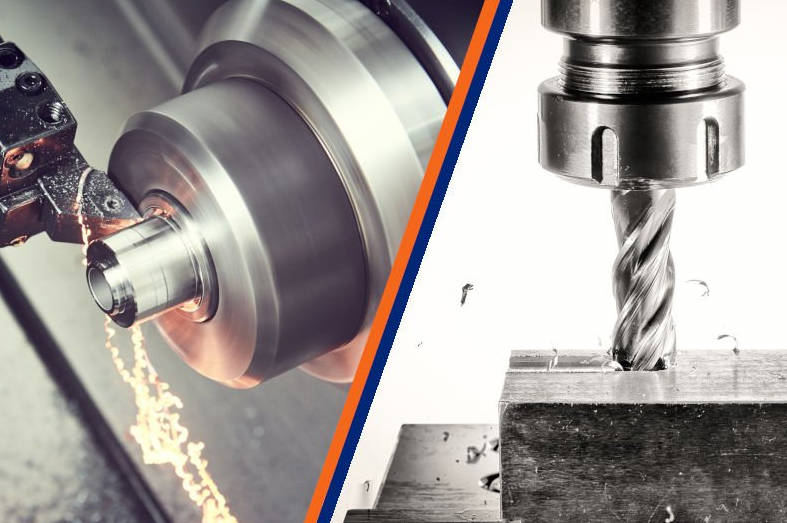
CNC turning is a precision manufacturing process used to create a vast array of cylindrical, conical, and spherical parts by rotating a workpiece while a stationary cutting tool removes material. This subtractive manufacturing method is the modern evolution of the traditional lathe, and it is fundamental for producing components with rotational symmetry, such as shafts, […]
How Does CNC Turning Work? Step-by-Step Process
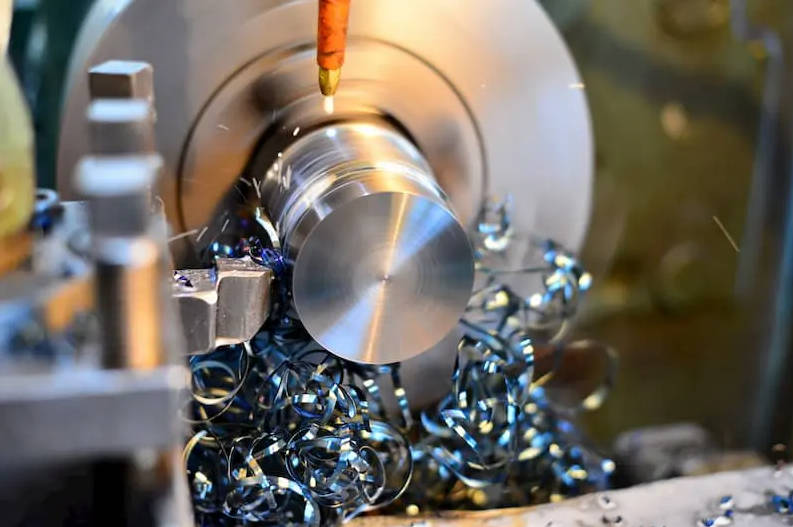
CNC turning is a subtractive manufacturing process where a bar of material, the workpiece, is held in a chuck and rotated at high speed while a cutting tool is fed into it to remove material and create a final cylindrical part. This process, controlled by a computer via G-code, allows for the precise and repeatable […]
How Much Does CNC Milling Cost? Pricing Factors Explained
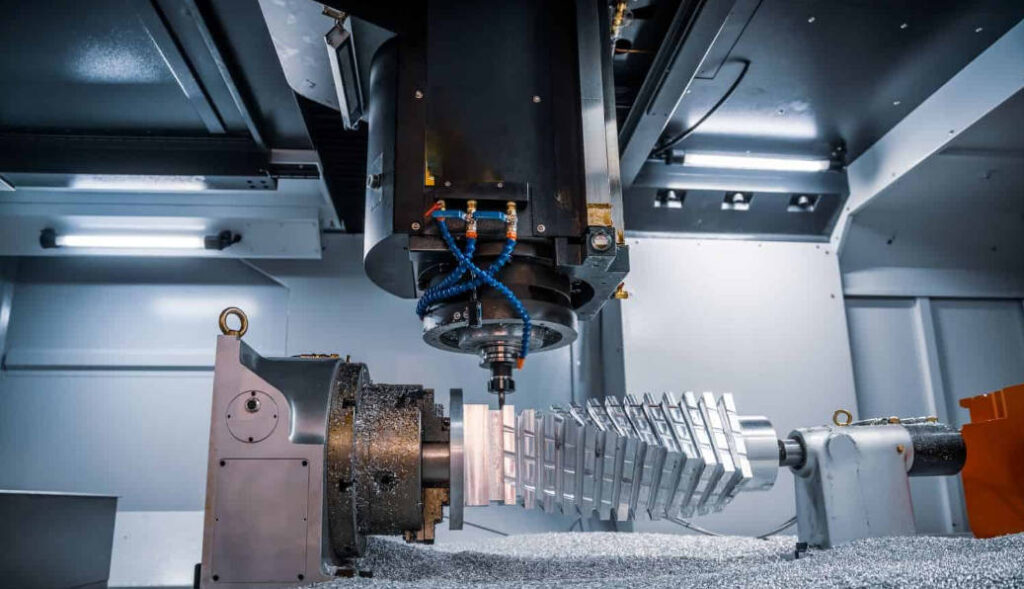
The cost of CNC milling can range from as little as $30 for a simple, single prototype to several thousand dollars for a complex, multi-axis part made from an exotic material. This wide range exists because the final price isn’t a flat fee but a calculation based on numerous interconnected factors. Understanding these variables is […]
CNC Turning vs Manual Turning: Key Differences Explained
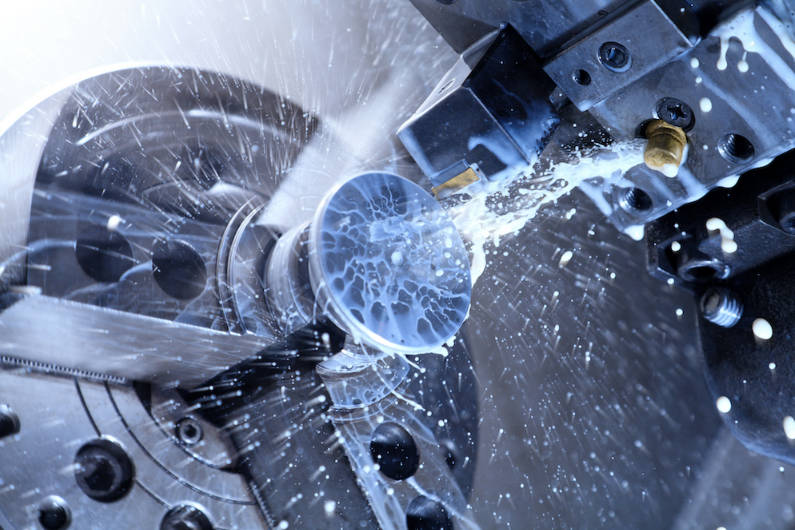
The core difference between CNC turning and manual turning lies in control and automation; CNC (Computer Numerical Control) turning uses pre-programmed computer code to automate the cutting process, delivering exceptional precision and repeatability for high-volume production, while manual turning relies on the direct, hands-on skill of a machinist to control the lathe, making it ideal […]
The Ultimate Guide to Surface Finish in CNC Machining: How It Affects Your Parts
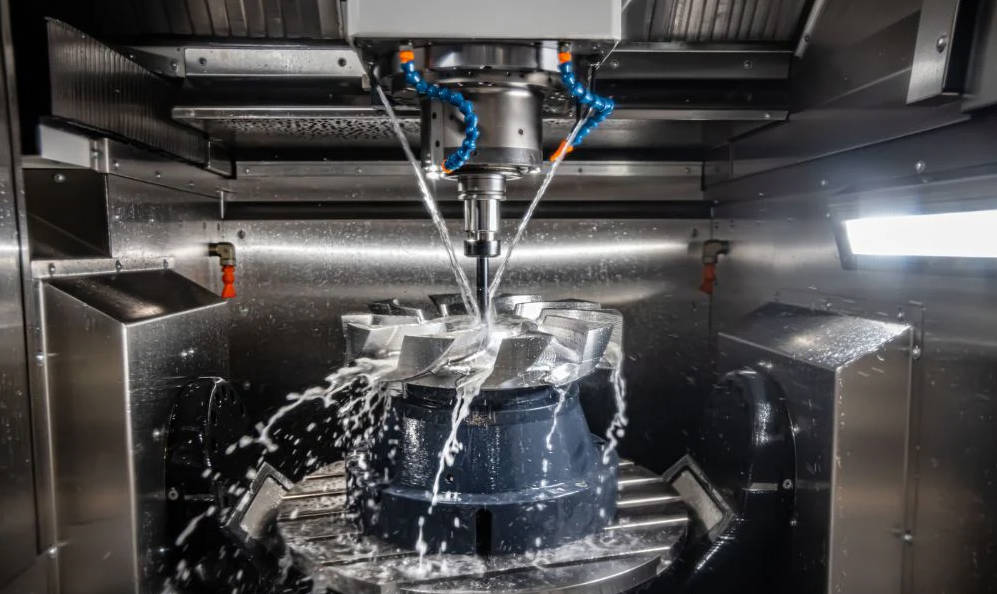
Surface finish in CNC machining critically affects a part’s performance, durability, and cost by influencing its friction, wear resistance, fatigue life, corrosion resistance, and aesthetic appeal. A smoother, more refined surface finish generally improves functional properties like sealing and reduces friction, but it also significantly increases manufacturing time and expense. Therefore, understanding and correctly specifying the […]
CNC Turning Machine: Types, Components, and Functions

A CNC Turning Machine, commonly known as a CNC lathe or turning center, is an advanced manufacturing tool that uses computer numerical control (CNC) to shape materials into precise cylindrical parts. The core process involves rotating a workpiece at high speed while a stationary cutting tool removes material. This subtractive manufacturing method is fundamental for […]
How to Choose the Right CNC Machining Manufacturer: A Comprehensive Guide
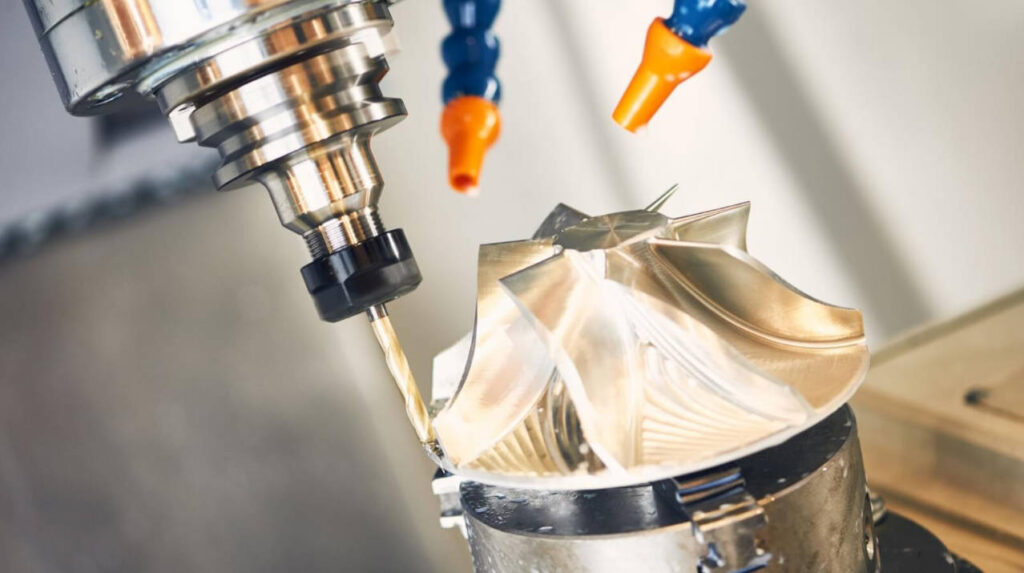
Selecting the right CNC machining manufacturer is a critical decision that directly impacts your product’s quality, cost, and time-to-market. The ideal partner is more than a supplier; they are a strategic extension of your team, offering technical expertise, robust quality control, and reliable communication. A thorough evaluation should focus on their technical capabilities, such as […]
Custom CNC Machining: The Ultimate Buyer’s Guide
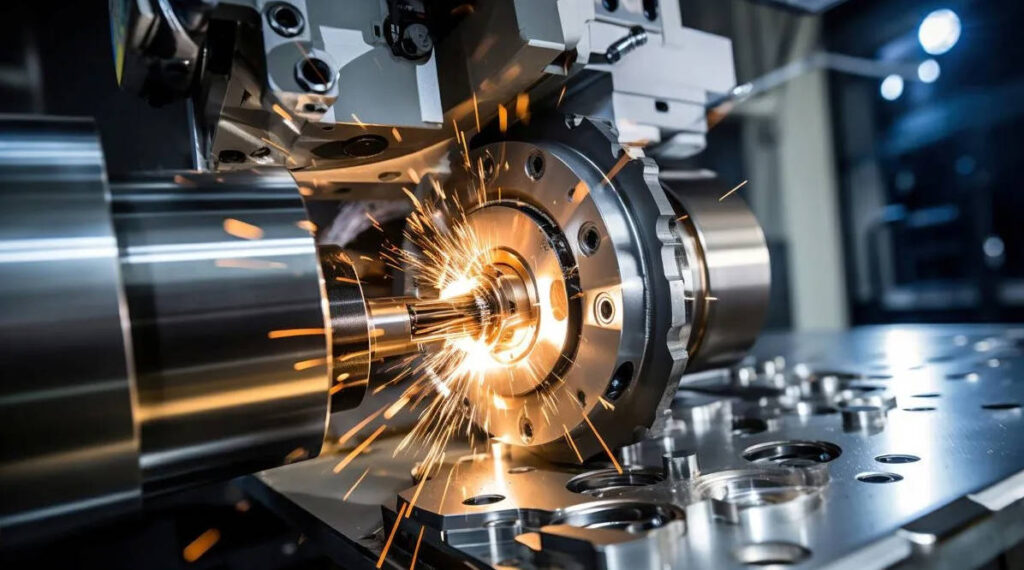
Custom CNC machining is a subtractive manufacturing process that uses computer-controlled machines to precisely cut, drill, and shape raw material blocks into finished parts with exceptional accuracy and repeatability. Buyers should know that success in CNC machining hinges on a well-prepared design (CAD model), clear technical specifications (materials, tolerances, finishes), and choosing a manufacturing partner who […]
How to Write G-Code for CNC Milling: The Ultimate Beginner’s Guide
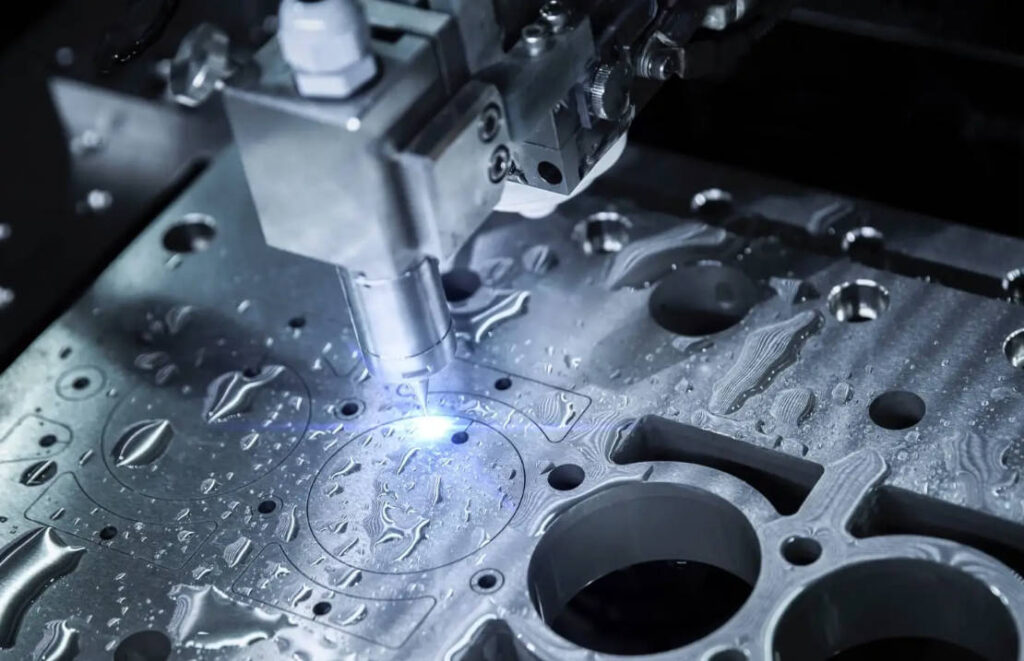
Writing G-code for CNC milling involves creating a plain text file of sequential commands, known as blocks, that instruct a CNC machine on how to move, what speed to use, and which functions to perform. Each block contains specific letter-address codes (like G, M, X, Y, Z, F, S) that dictate everything from rapid positioning […]
Master CNC Milling: The Ultimate Guide to Calculating Feed Rate
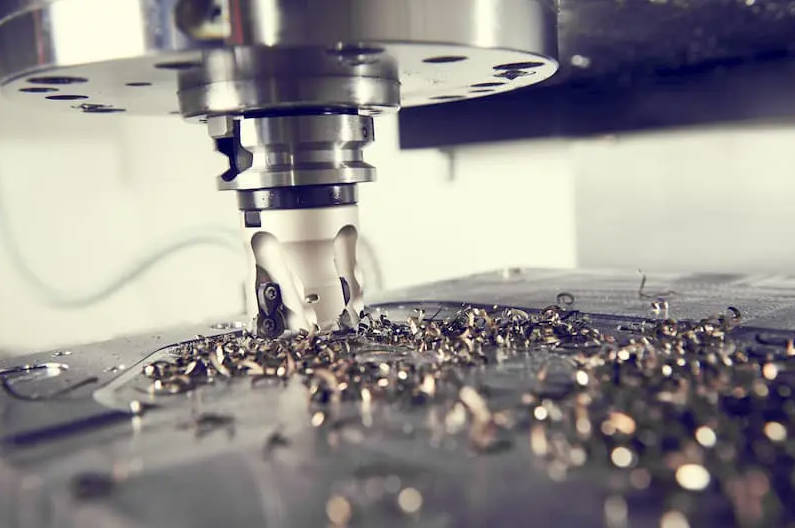
Calculating the feed rate for CNC milling is a fundamental skill that balances machining speed with quality and tool longevity. The basic formula to determine your starting feed rate is: Feed Rate (Inches Per Minute or IPM) = Spindle Speed (RPM) x Number of Flutes x Chip Load (Inches Per Tooth). Mastering this calculation and […]