
How to Achieve ±0.01mm Accuracy in CNC Machining: A Technical Guide for Precision Engineering
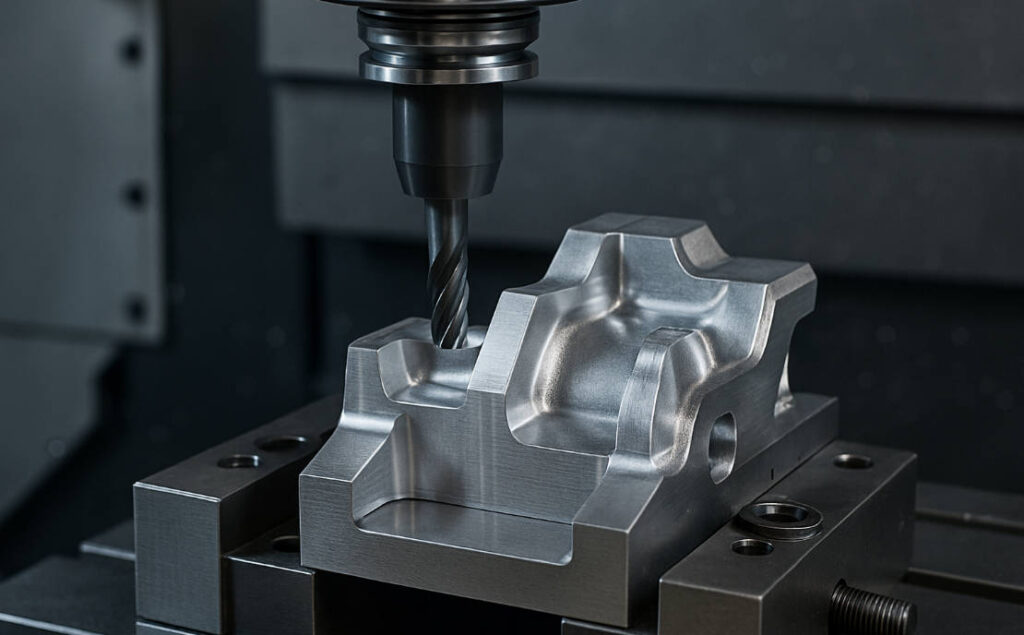
In the realm of high-end manufacturing, the difference between a functional component and a failed project often comes down to a few microns. For industries such as aerospace, medical device manufacturing, and semiconductor equipment, a tolerance of ±0.01mm (10 microns) is a standard requirement. However, achieving this level of precision consistently is not merely a […]
Aluminum vs. Stainless Steel CNC Machining Cost Comparison: A Professional Guide for Procurement and Engineering
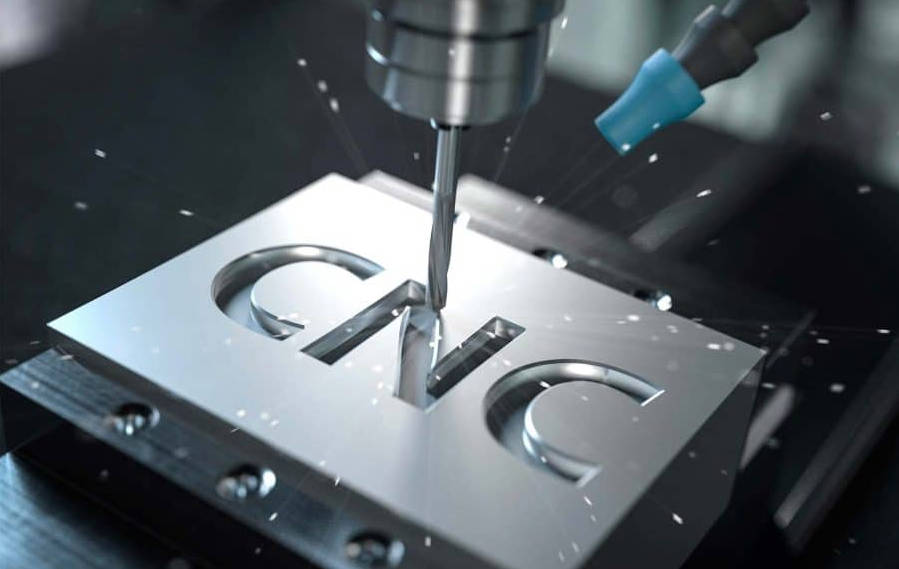
In the world of precision manufacturing, selecting the right material is more than a technical decision—it is a financial strategy. For project managers, engineers, and procurement specialists seeking CNC machining services, the debate often narrows down to two industry titans: Aluminum and Stainless Steel. While Aluminum is celebrated for its lightweight and rapid machinability, Stainless […]
CNC Machining vs 3D Printing: Which Is Better for Your Project?

When selecting a manufacturing process for your next project, the choice between CNC Machining and 3D Printing is critical, as each excels in different applications and offers distinct advantages in terms of cost, material capabilities, lead time, and design complexity. CNC Machining, a subtractive process, is generally superior for high-strength, high-precision parts in medium to […]
CNC Machining Price Per Part: How Is It Calculated?
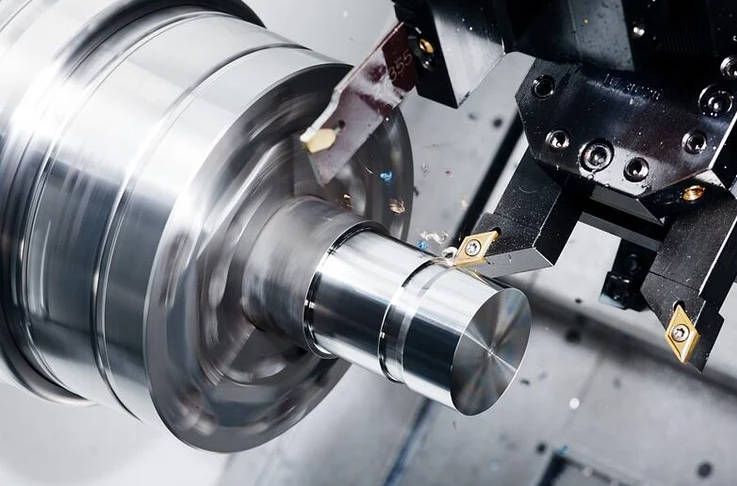
The cost of a CNC machined part is a multifaceted calculation, primarily driven by the interplay of material costs, machining time, setup costs, tooling, post-processing, and overheads. Understanding these intricate components is crucial for both manufacturers and customers to accurately estimate and budget for production. This comprehensive guide delves into each factor, providing clarity on how […]
How Long Does CNC Machining Take? Lead Time Explained
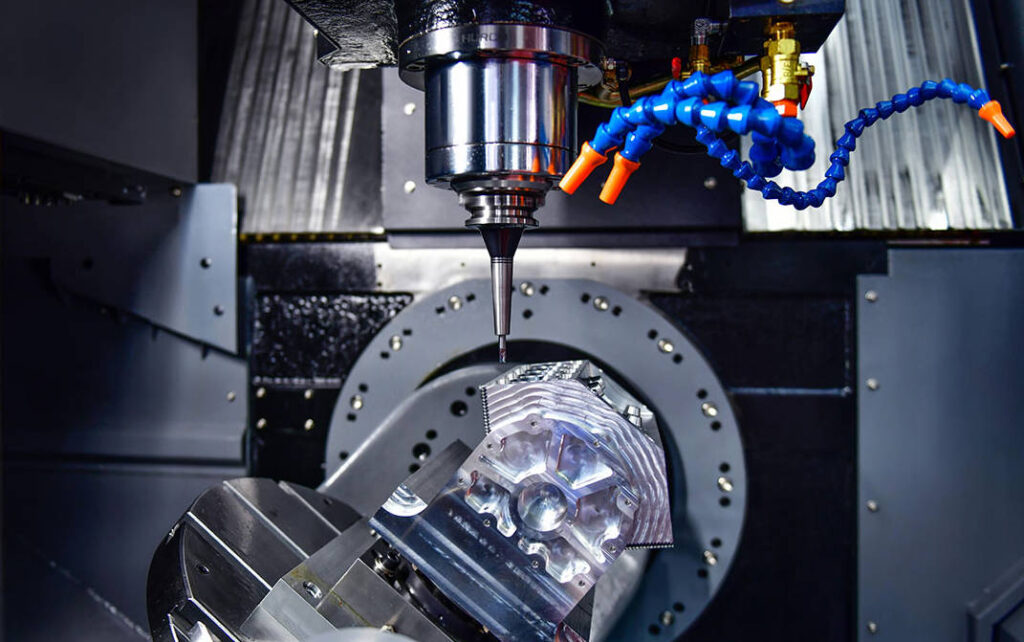
CNC machining lead time, the duration from order confirmation to part delivery, typically ranges from a few days for simple prototypes to several weeks for complex, high-volume production runs. This variability is influenced by numerous critical factors including part complexity, material choice, quantity, required tolerances, surface finish, post-processing, and the manufacturer’s current capacity. Understanding these […]
How to Reduce CNC Machining Costs Without Sacrificing Quality: A Comprehensive Guide
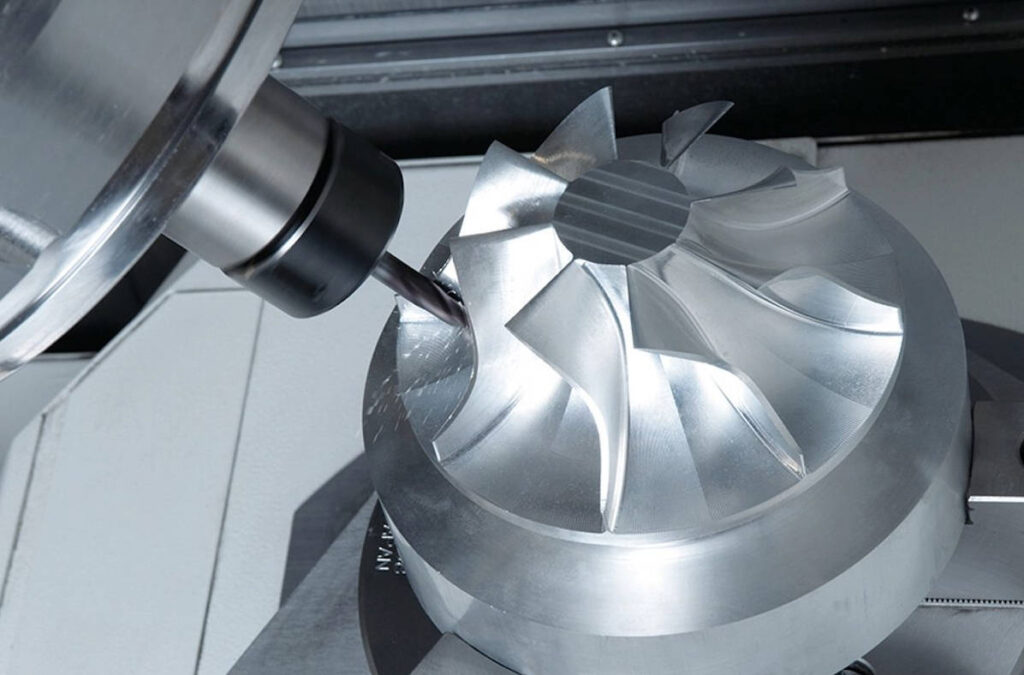
Reducing CNC machining costs without sacrificing quality is a critical challenge for manufacturers aiming to optimize profitability and maintain a competitive edge. This article delves into a comprehensive strategy, exploring key areas from design optimization and material selection to process automation and supply chain management. By strategically implementing cost-saving measures at every stage of the […]
How to Shorten CNC Machining Production Lead Time: A Comprehensive Guide to Accelerating Manufacturing
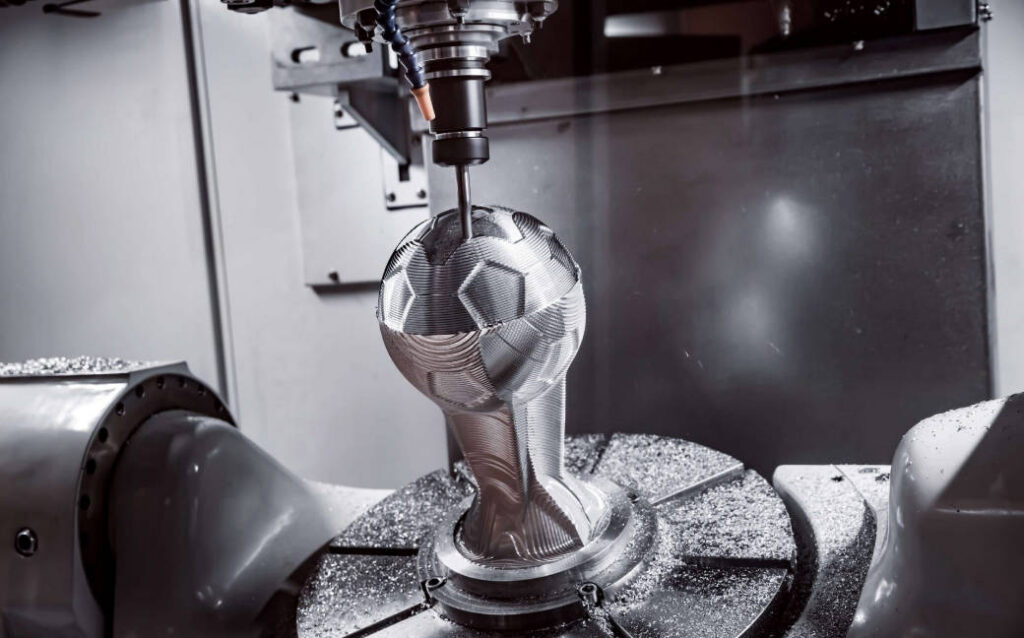
To *shorten CNC machining production lead time* effectively, manufacturers must adopt a multi-faceted approach encompassing process optimization, advanced technology integration, and strategic operational planning. Key strategies include enhancing Design for Manufacturability (DFM), streamlining CAM programming, implementing robust tooling management, optimizing material flow, and leveraging automation. By addressing these critical areas, businesses can significantly reduce turnaround […]
Is CNC Turning Expensive for Small Batch Production?
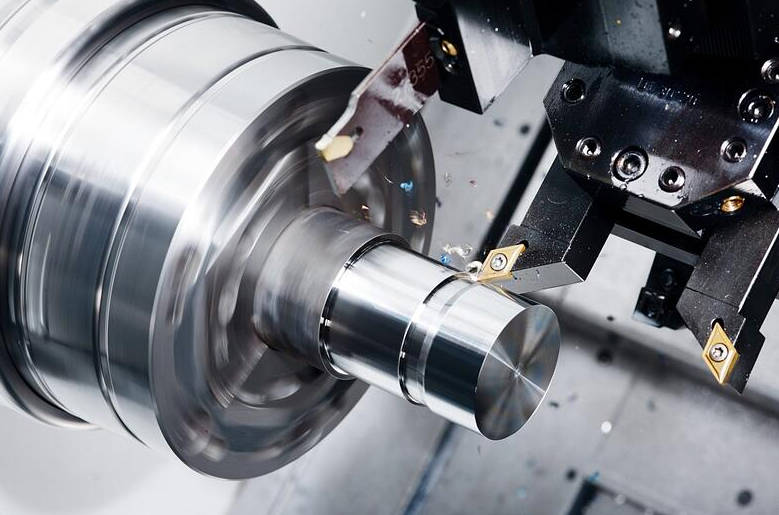
For small batch production, CNC turning can seem expensive on a per-unit basis due to initial setup and programming costs. However, it is often the most cost-effective and superior manufacturing method when high precision, specific material properties, or functional strength are required, making it an invaluable investment for low-volume runs of quality-critical parts. This comprehensive […]
CNC Milling Cost vs Injection Molding: Which Is More Cost-Effective?

Deciding between CNC milling and injection molding hinges on one primary factor: production volume. For low-volume production, rapid prototyping, and projects requiring up to a few thousand units, CNC milling is almost always more cost-effective due to its lack of expensive upfront tooling. Conversely, for high-volume mass production (typically 10,000+ units), injection molding offers a […]
Maximum Size & Thickness for CNC Milling Parts
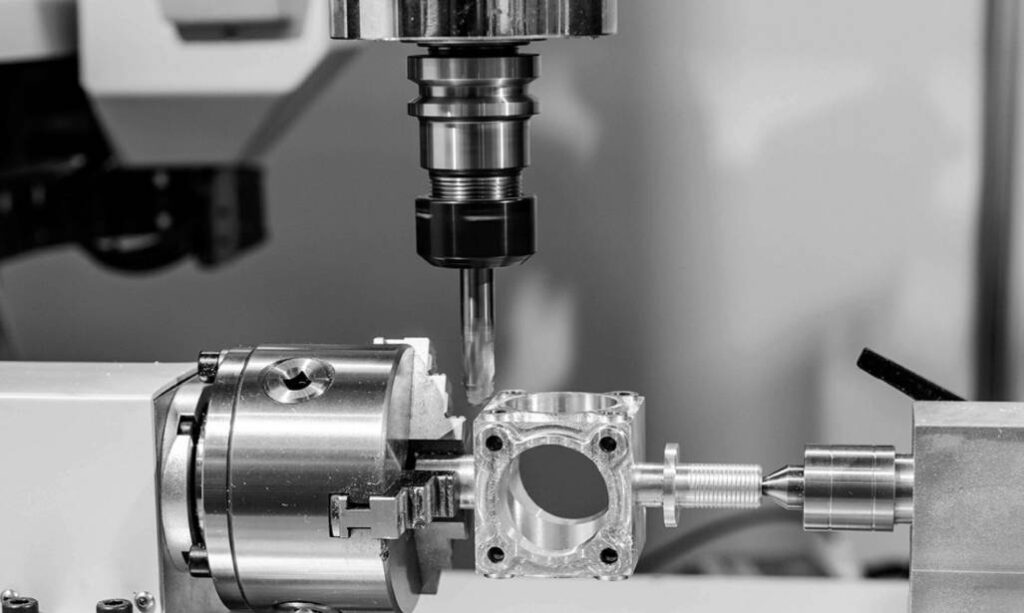
The maximum size for CNC milled parts is not a single fixed number but is dictated by the machine’s work envelope, with typical 3-axis machines handling parts up to 1500mm x 800mm x 500mm and large gantry mills exceeding 10 meters in length. The maximum practical thickness depends on material type, tool length, and machine […]