
5 Common Myths About CNC Machining Debunked: A Guide for Modern Engineers
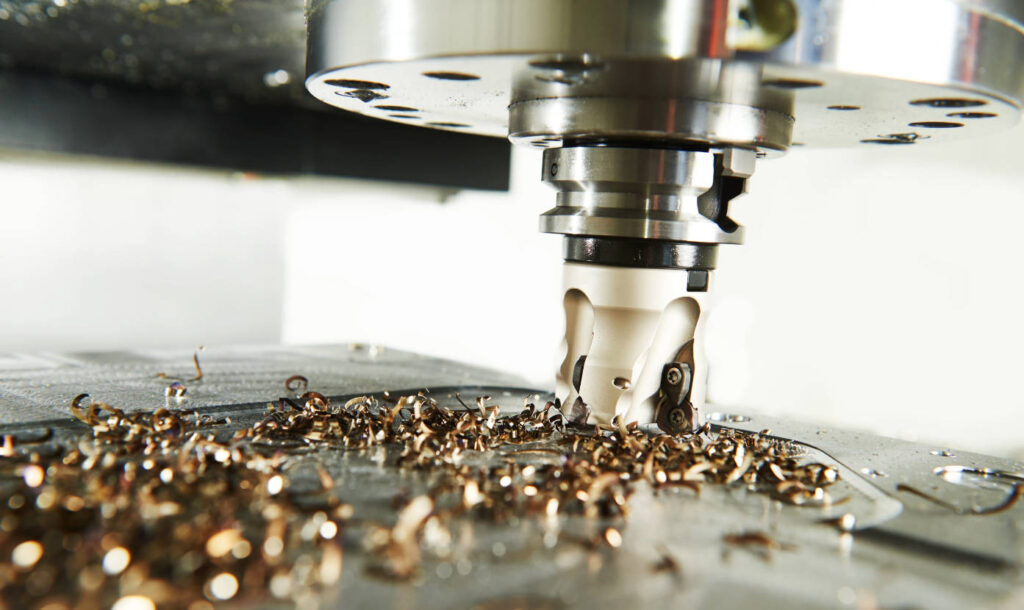
In the rapidly evolving landscape of manufacturing, misconceptions can be costly. For product designers, engineers, and procurement managers, choosing the right manufacturing process is often the difference between a profitable product launch and a budget overrun. While CNC machining services (Computer Numerical Control) have been the backbone of precision manufacturing for decades, a surprising amount […]
10 Tips to Improve CNC Machining Efficiency and Reduce Costs: The Ultimate DFM Guide
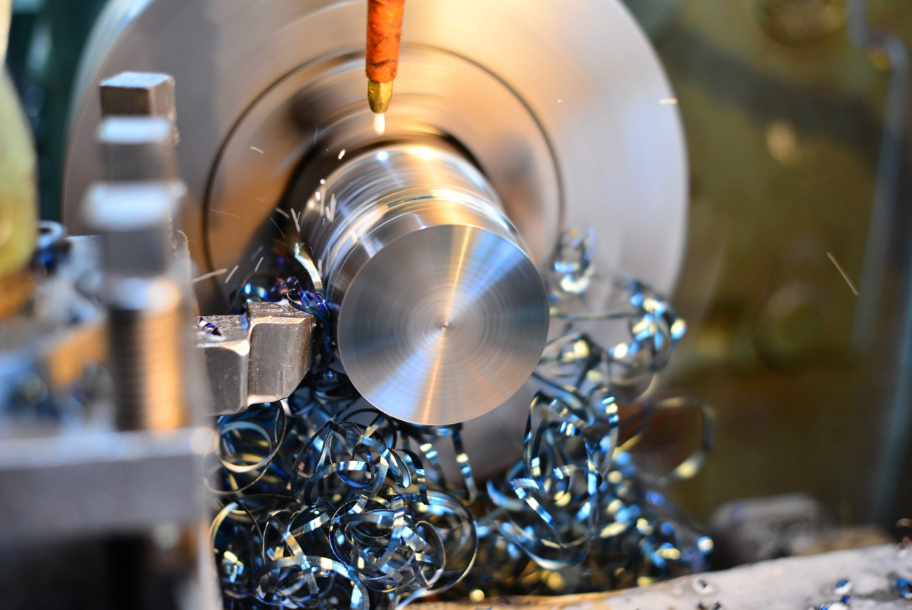
In the world of custom manufacturing, CNC machining stands out for its unparalleled precision, versatility, and ability to work with robust engineering-grade materials. However, for product designers and engineers, the cost of CNC machined parts can sometimes come as a shock. Many professionals do not realize that the bulk of a part’s manufacturing cost is […]
How CAD and CAM Work with CNC Machining for Perfect Parts
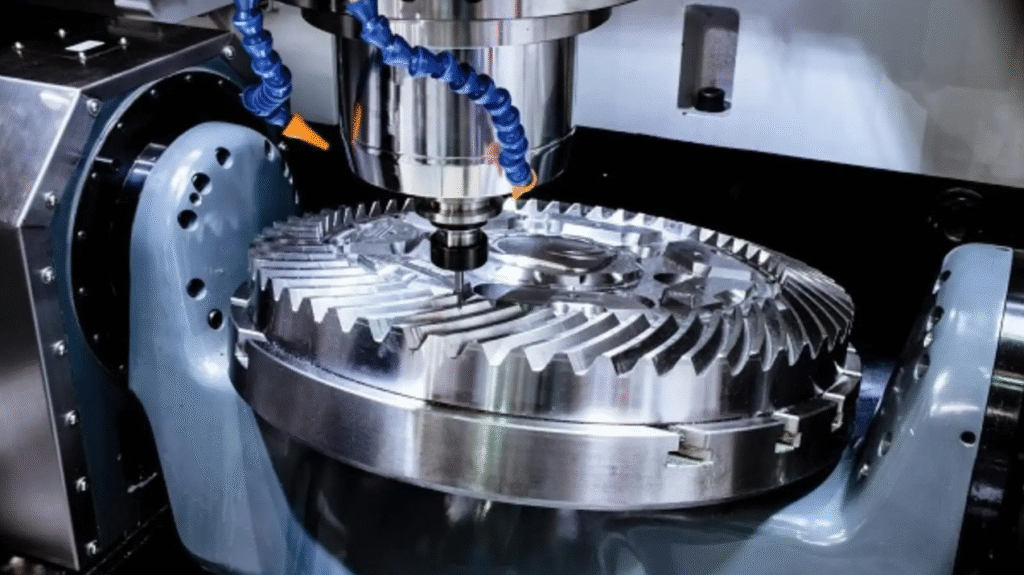
In the modern landscape of high-precision manufacturing, the difference between a failed prototype and a flawless component often comes down to data. While the physical cutting tools of a CNC machine are impressive, the true “brain” of the operation lies in the digital workflow that precedes the first cut. For engineers, product designers, and procurement […]
How To Touch Off Tools In CNC Milling?

Touching off tools in CNC milling is the process of accurately measuring a tool’s length or diameter relative to a known reference point on the machine, typically the machine table or a workpiece surface. This crucial measurement, known as the Tool Length Offset (TLO), is stored in the machine’s controller and is essential for ensuring […]
How To Calculate Rpm In CNC Turning?

To calculate the correct RPM (Revolutions Per Minute) in CNC turning, use the formula: RPM = (Cutting Speed x 12) / (π x Diameter) for imperial units (inches), or RPM = (Cutting Speed x 1000) / (π x Diameter) for metric units (millimeters). This calculation is fundamental to achieving optimal surface finish, extending tool life, […]
How To Calculate Feed Rate For CNC Milling?

Calculating the feed rate for CNC milling is a critical step for any machinist, as it directly impacts tool life, surface finish, and overall efficiency. The fundamental formula to determine feed rate is: Feed Rate (IPM) = Spindle Speed (RPM) × Number of Flutes × Chip Load (IPT). Mastering this calculation and the variables that […]
How CNC Machining Can Improve Your Supply Chain Efficiency

CNC (Computer Numerical Control) machining revolutionizes supply chain efficiency by enabling on-demand production, which drastically cuts lead times, reduces inventory costs, and enhances overall flexibility. This high-precision, automated manufacturing process allows businesses to create custom parts locally, mitigating risks from global disruptions and building a more resilient, agile, and cost-effective supply chain. By shifting from […]
Why CNC Machining Is Ideal for Low-Volume Production Runs

CNC machining is ideal for low-volume production primarily because it eliminates the high upfront costs and long lead times associated with traditional tooling, like injection molds. This direct-from-digital manufacturing process offers unparalleled flexibility for design changes, rapid turnaround for market testing, and access to production-grade materials, making it a highly strategic and cost-effective solution for […]
A Complete Guide to Aluminum CNC Milling Services: Properties, Applications, and Cost
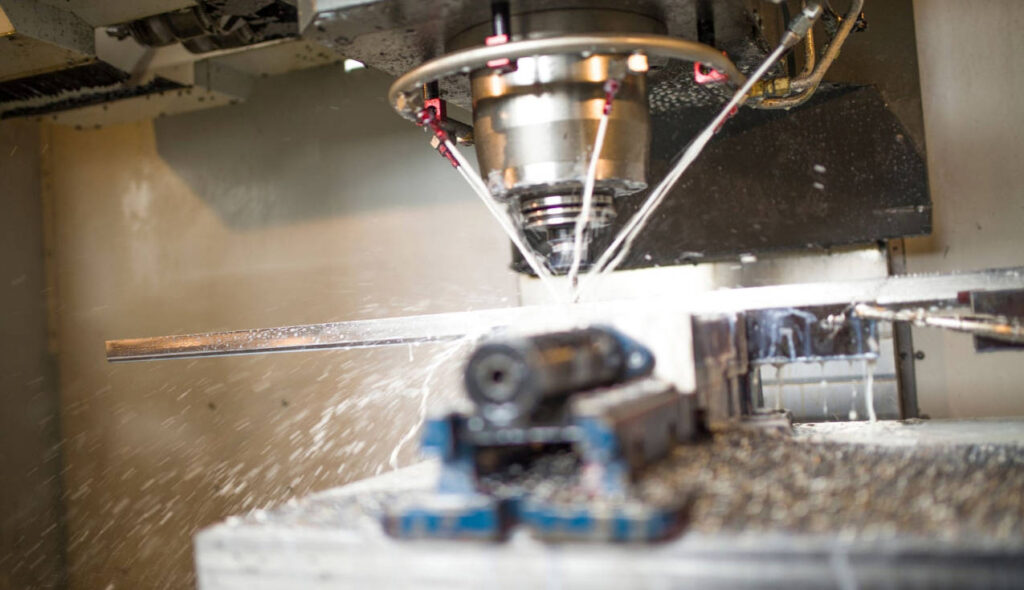
Aluminum CNC milling services utilize computer-controlled machines to precisely cut and shape aluminum blocks into custom parts and components. This process is favored across numerous industries for its ability to produce parts that are lightweight, strong, corrosion-resistant, and highly machinable, making it an ideal solution for everything from rapid prototyping to large-scale production runs. By […]
CNC Milling for Plastics: The Ultimate Guide to Advantages, Limitations, and Best Practices

CNC milling for plastics is a subtractive manufacturing process that uses computer-controlled cutting tools to precisely remove material from a solid block of plastic, shaping it into a final part. This technique is highly valued for its exceptional precision, broad material compatibility, and ability to produce parts with excellent mechanical properties and superior surface finishes, […]