In the rapidly evolving landscape of 2026 manufacturing, the demand for complexity and speed has never been higher. As an engineer or a sourcing manager looking for precision machining services, you aren’t just looking for a “part”; you are looking for a competitive edge. At the heart of this edge lies the 5-axis CNC machine.
However, the question of cost remains the primary hurdle for many. Whether you are considering purchasing your own equipment or seeking to understand the line items on your latest quote from a manufacturing partner like HKAA Industrial, understanding the financial architecture of 5-axis technology is essential.
In this guide, we will pull back the curtain on the pricing of 5-axis CNC machines in 2026, exploring how these investments translate into the quality and reliability of the components you receive.
I. The 2026 Manufacturing Landscape: Why 5-Axis is Non-Negotiable
By 2026, the global supply chain has shifted toward hyper-localization and extreme precision. Industries such as aerospace, medical robotics, and next-generation electric vehicles (EVs) no longer tolerate the tolerances of 10 years ago.
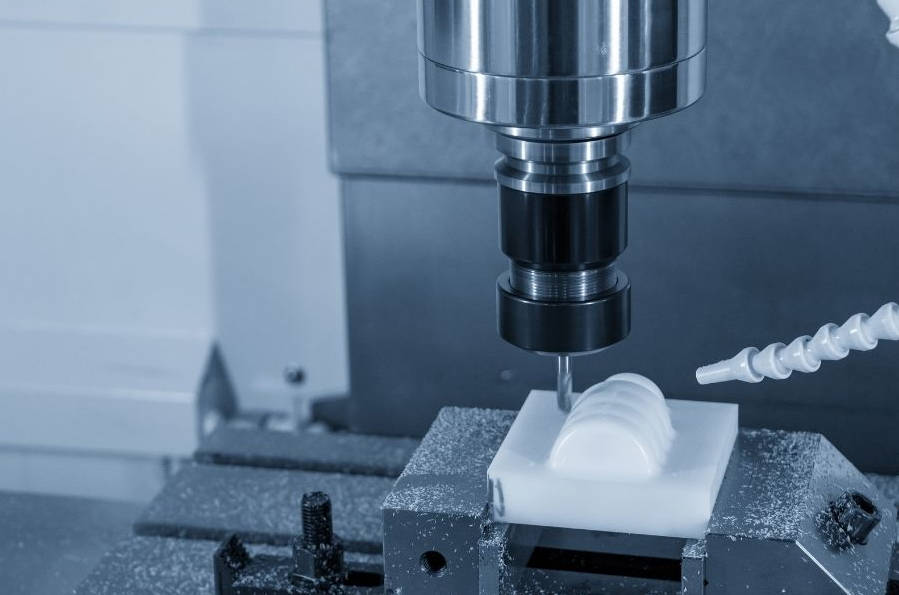
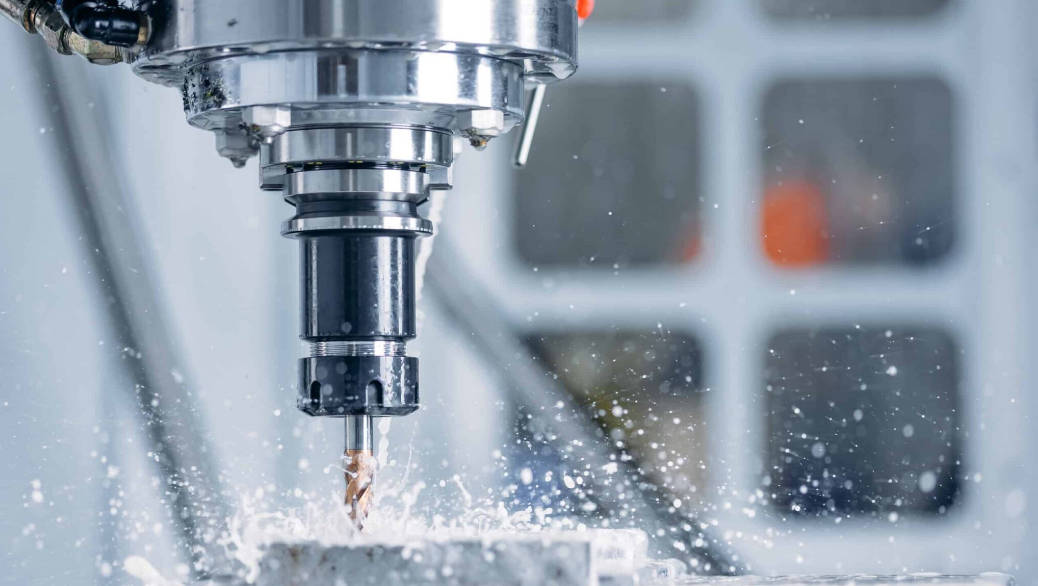
5-axis CNC machining is the process of using a computer numerical control (CNC) tool to move a part or a cutting tool across five different axes simultaneously, allowing for the creation of incredibly complex geometries with a single setup.
For users of precision machining services, this technology is the difference between a part that fails under stress and one that lasts for decades. The investment in 5-axis machines by service providers ensures that your parts are machined with “one-and-done” efficiency, drastically reducing the human error associated with multiple setups.
II. 2026 Cost Breakdown: Tiered Pricing Models for 5-Axis CNC Machines
The price of a 5-axis machine varies significantly based on its rigidity, accuracy, and integrated technology. In 2026, we categorize these machines into three distinct tiers.
| Machine Category | Price Range (USD) | Best For | Key Features (2026 Standards) |
| Entry-Level / Compact | $65,000 – $140,000 | Prototyping, Education, Small Aluminum Parts | Small footprint, basic AI-monitoring, 12k-15k RPM spindles. |
| Mid-Range Production | $160,000 – $450,000 | General Precision Machining, Automotive, Medical | High rigidity, 20k RPM spindles, integrated pallet changers. |
| High-End Ultra-Precision | $500,000 – $1,200,000+ | Aerospace, Defense, Micro-Machining | Sub-micron accuracy, thermal compensation, 24/7 automated “Lights-out” tech. |
The average cost of a production-grade 5-axis CNC machine in 2026 typically ranges between $200,000 and $550,000, depending on the machine’s size, spindle speed, and degree of automation.
III. What Drives the Price in 2026? Technical Factors Explained
When you see a quote for precision machining services, the machine’s price is a major factor. But what exactly are you—and your machining partner—paying for in 2026?
1. AI and Digital Twin Integration
Modern machines now come standard with “Digital Twin” capabilities. This allows programmers to simulate the entire machining process in a virtual environment before a single chip is cut. This software integration adds roughly 10-15% to the machine’s cost but eliminates the risk of expensive “crashes” and material waste.
2. Automation and Robotics
In 2026, a machine is rarely just a machine; it is a cell. Integrated robotic arms for loading and unloading (cobots) and pallet pool systems allow shops to run “lights-out.” While this increases the initial capital expenditure by $80,000 to $200,000, it reduces the hourly labor cost passed on to the customer.
3. Spindle Technology and Torque
For high-performance alloys like Inconel or Titanium, a standard spindle won’t suffice. High-torque, liquid-cooled spindles capable of maintaining precision at 30,000 RPM are a significant cost driver. These spindles ensure that precision machining services can deliver the surface finishes required for aerospace turbines or medical implants.
4. Sustainability and Energy Efficiency
With 2026 carbon-neutrality goals, modern 5-axis machines are equipped with regenerative braking systems and high-efficiency motors. While these “green” features add to the upfront cost, they reduce long-term operational overhead, making the service more sustainable for the planet and the client’s budget.
IV. The “Hidden” Costs of Operating a 5-Axis Service
If you are a buyer of parts, it is important to realize that the machine cost is only the beginning. To provide world-class precision machining services, a company like HKAA Industrial must manage several “invisible” costs:
- Specialized Tooling: 5-axis work requires shorter, more rigid tools and specialized shrink-fit tool holders. A single high-performance end mill can cost hundreds of dollars.
- Expert Human Capital: Programming a 5-axis machine is an art form. In 2026, a skilled 5-axis programmer commands a premium salary because they must understand complex 3D mathematics and material science.
- Advanced CAM Software: Software like Mastercam or Hypermill requires annual licensing fees that can exceed $10,000 per seat.
- Maintenance and Calibration: To maintain sub-micron tolerances, these machines require monthly laser calibrations and rigorous preventative maintenance schedules.
V. How Machine Cost Affects Your ROI: Why “Cheaper” is Often More Expensive
It is tempting to choose a provider using older 3-axis or 4-axis equipment to save on costs. However, in the realm of precision machining services, the machine’s cost is directly tied to your project’s Return on Investment (ROI).
Using a high-end 5-axis machine reduces the total cost of a precision part by eliminating multiple setups, shortening lead times by up to 40%, and ensuring higher geometric accuracy that prevents assembly-line failures.
When a part is moved from one machine to another (as in 3-axis machining), “stack-up errors” occur. Every time a human hand touches the part to re-fixture it, the risk of being “out of spec” increases. By using a 5-axis machine, the part stays in one place, ensuring that every hole, slot, and curve is perfectly aligned with the next.
VI. Choosing the Right Partner: The HKAA Industrial Advantage
At HKAA Industrial, we believe that transparency is the foundation of a successful partnership. We don’t just invest in 5-axis machines; we invest in the latest 2026-spec technology to ensure that your designs are realized with absolute fidelity.
Our fleet of high-end multi-axis machines allows us to handle the most demanding projects in the medical, aerospace, and robotics sectors. When you work with us, you aren’t paying for “machine time”—you are paying for the security of knowing your parts will be right the first time, every time.
VII. Conclusion: The Future of Precision
As we move through 2026, the price of 5-axis CNC machines continues to reflect their incredible value. While the entry price is high, the efficiency, precision, and capability they unlock are essential for any company looking to innovate.
When searching for precision machining services, ask your provider about their equipment. Do they have the rigidity for your materials? Do they use AI-driven toolpath optimization? Understanding these costs helps you choose a partner who is prepared for the future.
Core FAQ: Understanding 5-Axis Machining Costs
1. Is 5-axis machining always more expensive than 3-axis?
No. While the hourly rate for a 5-axis machine is higher, the total project cost is often lower because it requires fewer setups and less specialized fixturing, resulting in shorter production times.
2. What is the biggest cost driver in 5-axis CNC machining in 2026?
Beyond the machine itself, the biggest cost drivers are the specialized labor (programmers) and the automation software required to run the machines efficiently.
3. Can 5-axis machines handle all materials?
Yes. From soft plastics and aluminum to hard Super-alloys like Titanium and Inconel. However, machines designed for harder materials require higher torque spindles and more rigid frames, which increases the machine’s cost.
4. How does 5-axis machining improve part quality?
By machining the part in a single setup, you eliminate the alignment errors that happen when moving a part between different fixtures. This results in superior “true position” accuracy.
5. Why should I choose HKAA Industrial for my precision machining services?
We utilize state-of-the-art 2026 technology, including AI-integrated 5-axis cells, to provide the highest level of accuracy, competitive pricing, and shortened lead times for complex components.