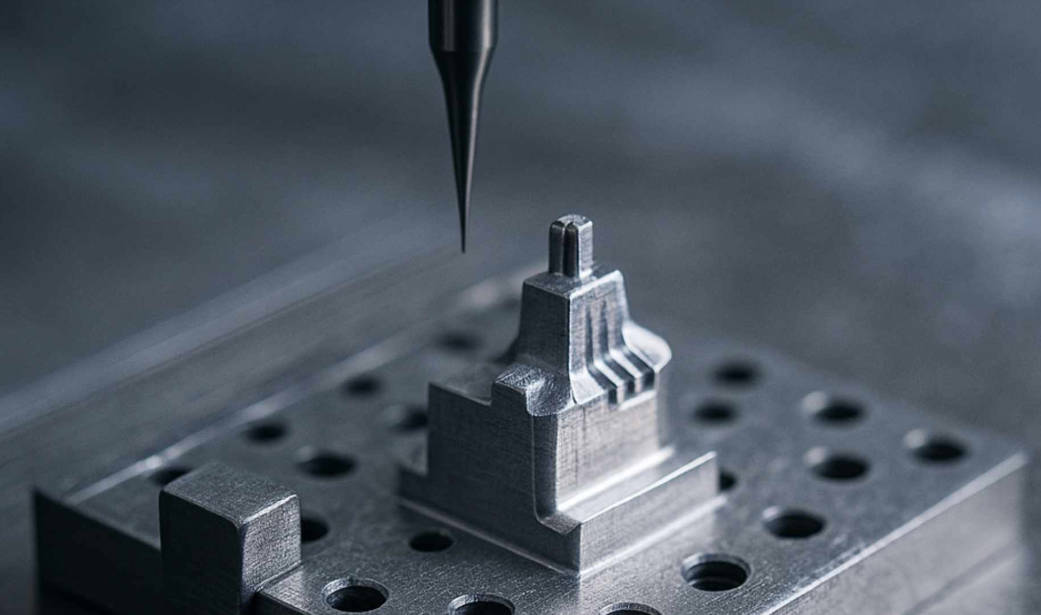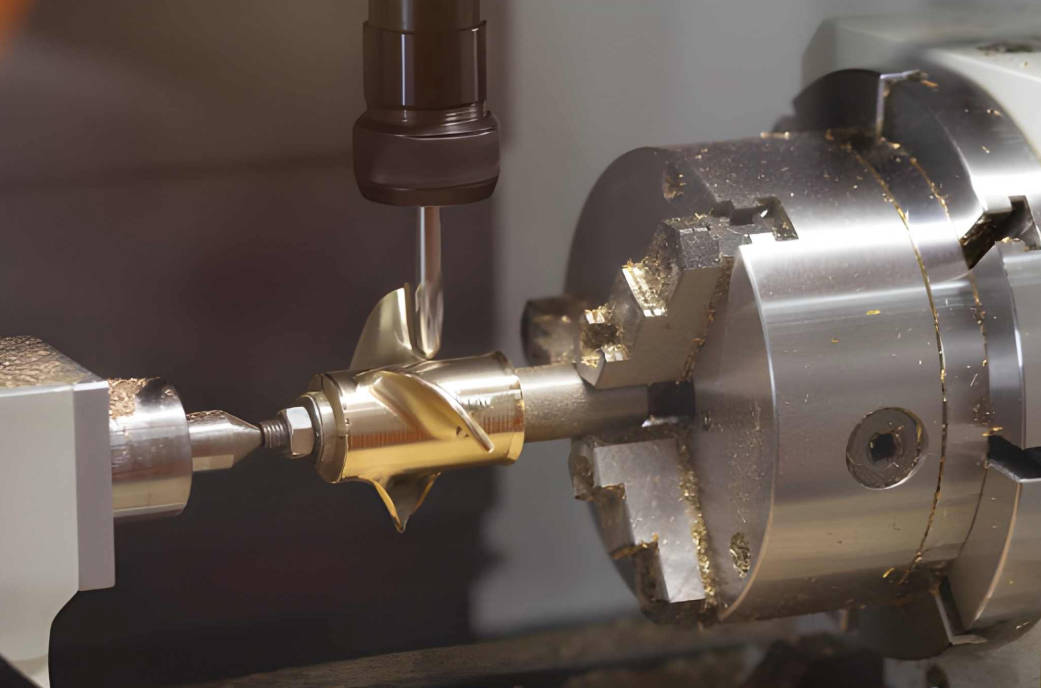
CNC surface finish should be selected based on part function, material, appearance, corrosion resistance, wear resistance, dimensional requirements, and cost. For aluminum CNC parts, common options include as-machined finish, anodizing, hardcoat anodizing, bead blasting, polishing, painting, and powder coating. For stainless steel CNC parts, buyers often consider as-machined finish, polishing, brushing, passivation, bead blasting, and plating depending on the application.
Surface finish is not only a cosmetic decision. It can affect assembly fit, friction, sealing performance, corrosion resistance, electrical behavior, coating adhesion, and long-term durability. For custom CNC machined parts, choosing the wrong finish can increase cost, delay delivery, or create quality problems after machining.
HKAA Industrial supports CNC machining and prototype manufacturing for custom metal and plastic parts. For early-stage projects, CNC prototype machining can help buyers verify material, dimensions, surface appearance, and functional requirements before moving into small batch or repeat production.
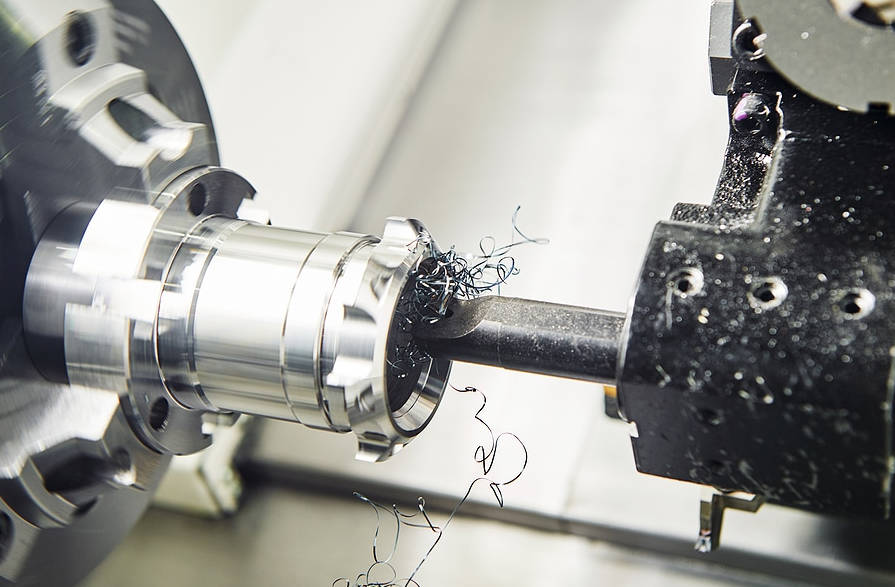
What Is CNC Surface Finish?
CNC surface finish refers to the final surface condition of a machined part after cutting and, if required, secondary finishing. It may describe the texture left by the cutting tool, the visual appearance of the part, the roughness value, or the post-processing method applied after machining.
In CNC machining, surface finish can be divided into two broad categories:
| Finish Type | Meaning | Common Examples |
| Machined surface finish | Surface condition created directly by CNC cutting | As-machined finish, fine machined finish, tool marks |
| Post-machining surface treatment | Additional process after machining | Anodizing, bead blasting, polishing, passivation, plating, powder coating |
A CNC surface finish should be chosen according to what the part must do, not only how it should look.
For example, a visible aluminum enclosure may need bead blasting and anodizing for a clean matte appearance. A stainless steel shaft may need polishing to reduce friction. A functional prototype may only need an as-machined finish if the purpose is fit and assembly testing.
Why Surface Finish Matters for CNC Machined Parts
Surface finish affects more than appearance. It can influence how the part performs in its final assembly.
| Requirement | Why Surface Finish Matters |
| Appearance | Visible parts may need consistent color, gloss, texture, or branding quality |
| Corrosion resistance | Aluminum and stainless steel parts may require protective finishing in harsh environments |
| Wear resistance | Sliding, rotating, or contact surfaces may need smoother or harder finishes |
| Assembly fit | Some coatings add thickness and may affect tight tolerance features |
| Friction control | Surface roughness can influence movement, sealing, or contact behavior |
| Cleaning and hygiene | Medical, food-related, or fluid components may need smoother stainless surfaces |
| Electrical conductivity | Some finishes can reduce or change conductivity |
| Adhesion | Painting, powder coating, or bonding may require surface preparation |
| Cost and lead time | Additional finishing increases process steps and coordination |
The earlier surface finish is defined, the easier it is to plan machining allowance, tolerance control, inspection, and delivery schedule.
If buyers wait until after machining to decide the surface treatment, some dimensions or appearances may not meet expectations.
Common CNC Surface Finish Options
The most common CNC surface finish options for aluminum and stainless steel parts include as-machined finish, bead blasting, anodizing, polishing, brushing, passivation, plating, painting, and powder coating.
| Surface Finish | Suitable Materials | Main Purpose | Typical Use Cases |
| As-machined finish | Aluminum, stainless steel, brass, plastics | Functional, economical, fast | Prototypes, internal parts, test components |
| Bead blasting | Aluminum, stainless steel | Matte texture, uniform appearance | Enclosures, visible housings, consumer products |
| Anodizing | Aluminum | Corrosion resistance, color, wear resistance | Aluminum housings, brackets, panels |
| Hardcoat anodizing | Aluminum | Higher wear and abrasion resistance | Mechanical parts, sliding components, industrial parts |
| Polishing | Stainless steel, aluminum, brass, plastics | Smooth or glossy surface | Display parts, medical parts, shafts, decorative parts |
| Brushing | Stainless steel, aluminum | Directional satin appearance | Panels, covers, visible metal parts |
| Passivation | Stainless steel | Improve corrosion resistance | Medical, food-related, marine, chemical environments |
| Plating | Steel, brass, copper, aluminum in some cases | Corrosion resistance, conductivity, appearance | Connectors, fittings, electrical parts |
| Painting / powder coating | Aluminum, steel, some plastics | Color, protection, branding | Enclosures, equipment covers, outdoor parts |
As-Machined Finish
An as-machined finish is the surface left directly by CNC cutting tools. It may show visible tool marks, fine cutting patterns, or machining lines depending on the tool, feed rate, material, and process.
As-machined finish is often used when:
- The part is internal and not visible.
- The function matters more than appearance.
- The prototype is used for fit or dimensional testing.
- Cost and lead time need to be controlled.
- No additional corrosion or cosmetic requirement is needed.
As-machined finish is usually a practical choice for functional prototypes, internal mechanical parts, and early-stage CNC samples.
However, buyers should not assume all as-machined surfaces look the same. Tool path, cutter type, material, and machining parameters can create different visual results. If appearance matters, a post-machining finish may be more suitable.
Anodizing for Aluminum CNC Parts
Anodizing is one of the most common surface treatment options for aluminum CNC machined parts. It creates a protective oxide layer on the aluminum surface and can improve corrosion resistance, appearance, and wear performance in many applications.
Common anodizing options include:
| Anodizing Type | Purpose | Common Applications |
| Type II anodizing | Color and corrosion resistance | Aluminum housings, brackets, consumer product parts |
| Type III hardcoat anodizing | Higher abrasion and wear resistance | Industrial parts, sliding components, functional mechanical parts |
| Clear anodizing | Natural metallic appearance | Precision parts, panels, general aluminum components |
| Black anodizing | Dark appearance and corrosion protection | Enclosures, optical parts, electronic housings |
Anodizing is commonly used for aluminum 6061 and 7075 parts, but the final color and appearance may vary depending on alloy, surface preparation, and batch conditions.
Key Points for Buyers
- Anodizing can affect final dimensions slightly.
- Sharp edges may show different color or coating behavior.
- Bead blasting before anodizing can create a matte appearance.
- Polishing before anodizing can create a smoother or brighter appearance.
- Color consistency may be more difficult across different batches or materials.
- Critical tolerance areas should be discussed before finishing.
For aluminum parts with strict fit requirements, buyers should clarify whether dimensions are required before or after anodizing.
Bead Blasting for CNC Machined Parts
Bead blasting uses fine media to create a uniform matte or satin surface. It is often used before anodizing for aluminum parts or as a standalone finish for stainless steel and other metals.
Bead blasting is suitable when buyers need:
- A uniform matte texture
- Reduced visible machining marks
- Improved cosmetic consistency
- Surface preparation before anodizing or coating
- A non-glossy appearance for visible components
Bead blasting is widely used for:
- Aluminum enclosures
- Electronic housings
- Consumer product parts
- Instrument panels
- Stainless steel covers
- CNC machined prototypes for appearance review
Bead blasting is useful when a machined part needs a clean, uniform matte appearance without heavy polishing.
However, it may soften sharp edges slightly and may not remove deep scratches or heavy machining marks unless the part is properly prepared.
Polishing for Aluminum and Stainless Steel Parts
Polishing is used to create a smoother, brighter, or more reflective surface. It can be functional, cosmetic, or both.
For stainless steel CNC parts, polishing is often used when buyers need:
- Smooth surfaces
- Improved cleanability
- Reduced friction
- Better appearance
- Surface preparation for medical, food-related, or display components
For aluminum CNC parts, polishing may be used before anodizing, for decorative parts, or where a smoother surface is required.
| Polishing Purpose | Example Application |
| Cosmetic polishing | Display components, decorative covers, visible housings |
| Functional polishing | Sliding surfaces, shafts, sealing-related components |
| Pre-treatment polishing | Surface preparation before anodizing or plating |
| Deburring-related polishing | Edge smoothing and handling improvement |
Polishing can improve appearance, but it may also affect dimensions, edges, and geometry if not controlled properly. For tight tolerance parts, polishing should be applied carefully and specified clearly.
Stainless Steel Passivation
Passivation is commonly used for stainless steel parts to improve corrosion resistance by removing free iron and supporting the formation of a protective chromium oxide surface layer.
Passivation is often considered for:
- Medical device components
- Food equipment parts
- Marine-related parts
- Chemical processing components
- Stainless steel fittings
- Precision machined stainless parts exposed to moisture or chemicals
Passivation does not create a thick decorative coating like paint or powder coating. It is more of a chemical treatment for corrosion resistance. For parts where appearance is important, polishing or brushing may still be required before passivation.
Brushing for Stainless Steel and Aluminum Parts
Brushing creates a directional linear texture. It is common for visible panels, covers, brackets, consumer electronics parts, and stainless steel appearance components.
Brushed finish is selected when the buyer wants:
- A satin metallic appearance
- Reduced visible fingerprints compared with glossy surfaces in some cases
- A directional texture
- A consistent industrial look
- A balance between appearance and cost
Brushing is more appearance-oriented than performance-oriented, but it can be important for products where the visible surface influences customer perception.
Plating for CNC Machined Parts
Plating may be used for corrosion resistance, wear resistance, electrical conductivity, solderability, or appearance. Common plating types include nickel plating, chrome plating, zinc plating, and gold plating, depending on material and application.
Plating may be suitable for:
- Brass connectors
- Electrical components
- Steel parts requiring corrosion protection
- Copper parts requiring surface protection
- Functional parts requiring conductivity or wear performance
Buyers should confirm the plating type, thickness expectation, functional requirement, and inspection standard before production. Plating thickness can affect fits, threads, holes, and tight tolerance features.
Painting and Powder Coating
Painting and powder coating are used when color, branding, outdoor resistance, or surface protection is required. Powder coating usually creates a thicker coating than many other finishes, so it may not be suitable for all tight tolerance areas.
Common applications include:
- Equipment covers
- Outdoor enclosures
- Aluminum housings
- Steel brackets
- Industrial panels
- Consumer product parts
For parts that need coating, masking requirements should be clearly defined. Threads, holes, bearing seats, sealing areas, and electrical contact surfaces may need to remain uncoated.
Aluminum vs Stainless Steel Surface Finish Selection
Aluminum and stainless steel behave differently, so the finish choice should match the material.
| Requirement | Aluminum CNC Parts | Stainless Steel CNC Parts |
| General functional prototype | As-machined finish | As-machined finish |
| Matte cosmetic appearance | Bead blasting + anodizing | Bead blasting or brushing |
| Color options | Anodizing, painting, powder coating | Painting, powder coating, some plating options |
| Corrosion resistance | Anodizing, hardcoat anodizing, coating | Passivation, polishing, plating in some cases |
| Wear resistance | Hardcoat anodizing | Polishing, hardening-related treatments, plating depending on application |
| High gloss appearance | Polishing | Polishing |
| Industrial satin appearance | Bead blasting, brushing | Brushing, bead blasting |
| Outdoor use | Anodizing, powder coating | Passivation, coating, material selection |
For aluminum parts, anodizing is often selected for corrosion resistance and appearance; for stainless steel parts, passivation, polishing, and brushing are commonly considered depending on the environment and function.
How Surface Finish Affects Tolerances and Dimensions
Surface finish can affect dimensions, especially when the finish adds material, removes material, or changes the surface texture.
| Finish | Dimensional Consideration |
| As-machined | Dimensions mainly depend on machining process |
| Bead blasting | May slightly change surface texture and edge sharpness |
| Polishing | Removes material and may affect edges or flatness if uncontrolled |
| Anodizing | Creates an oxide layer and may affect close-fit areas |
| Hardcoat anodizing | More important to consider for tight fits or sliding surfaces |
| Plating | Adds coating thickness and can affect holes, threads, and fits |
| Powder coating | Adds a relatively thicker surface layer compared with many metal finishes |
| Painting | Coating thickness may affect assembly features |
For tight tolerance CNC machined parts, buyers should specify whether the tolerance applies before or after finishing. This is especially important for holes, threads, bearing seats, sliding surfaces, and assembly interfaces.
How to Specify CNC Surface Finish in Drawings
A good drawing should define surface finish requirements clearly. Vague descriptions such as “nice finish” or “smooth surface” are not enough for manufacturing.
Buyers should provide:
| Information | Why It Matters |
| Finish type | Defines the required treatment, such as anodizing or polishing |
| Material grade | Surface finish results can vary by material |
| Color requirement | Important for anodizing, painting, and powder coating |
| Texture requirement | Matte, satin, brushed, polished, or as-machined |
| Critical surfaces | Tells supplier which areas need special control |
| Masking requirements | Prevents coating on threads, holes, or contact surfaces |
| Surface roughness if needed | Important for sealing, sliding, or functional surfaces |
| Tolerance after finish | Clarifies whether final dimensions include coating or polishing |
| Inspection requirements | Helps define how surface quality will be checked |
| Sample approval need | Useful for visible cosmetic parts |
For prototype projects, buyers can use samples to confirm whether the selected finish meets appearance and functional expectations before repeat production.
CNC Prototype Surface Finish Considerations
Surface finish is especially important in CNC prototype projects because prototypes may serve different purposes. A prototype for internal fit testing does not need the same finish as a prototype used for investor presentation, customer approval, or product photography.
| Prototype Purpose | Recommended Finish Approach |
| Fit check | As-machined finish may be enough |
| Functional testing | Focus on critical surfaces and material performance |
| Appearance review | Bead blasting, anodizing, polishing, painting, or brushing may be needed |
| Customer sample | Use a finish close to intended production finish |
| Pre-production validation | Confirm finish, tolerance, inspection, and packaging together |
If the surface finish will affect assembly or performance, it should be tested at the prototype stage. HKAA Industrial’s CNC prototype service can help buyers validate both machined geometry and surface treatment direction before larger production.
Surface Finish for Complex CNC Parts
Complex CNC parts may require different finishes on different surfaces. For example, an aluminum housing may need anodized outer surfaces, uncoated threaded holes, a polished sealing area, and masked contact surfaces.
Parts made through CNC turning and milling may also combine round surfaces, milled flats, cross holes, grooves, and threaded features. In these cases, finishing should be planned with machining and inspection together.
Key questions include:
- Which surfaces are visible?
- Which surfaces contact other parts?
- Which holes or threads need masking?
- Will coating affect assembly?
- Are there sealing or sliding surfaces?
- Does the finish need to be consistent across multiple batches?
- Is the part used indoors, outdoors, or in a corrosive environment?
Common Mistakes When Choosing CNC Surface Finish
Mistake 1: Choosing Finish Only by Appearance
A finish may look good but still be unsuitable for the environment, tolerance requirement, or function. Buyers should consider corrosion resistance, wear, friction, coating thickness, and assembly.
Mistake 2: Ignoring Dimensional Effects
Anodizing, plating, polishing, and powder coating can affect final dimensions. Tight tolerance features should be reviewed before finishing.
Mistake 3: Not Specifying Masking Areas
Threads, holes, electrical contact surfaces, bearing seats, and sealing areas may need to remain unfinished or controlled differently. If masking is not specified, coating may interfere with assembly.
Mistake 4: Expecting Perfect Color Consistency Without Samples
Color can vary depending on material, surface preparation, finish type, and production batch. For visible parts, samples or approved appearance standards are useful.
Mistake 5: Deciding Surface Finish Too Late
Surface finish should be considered before machining begins. Late changes can affect cost, lead time, tolerance strategy, and appearance results.
How to Choose the Right CNC Surface Finish Supplier
A capable supplier should understand both machining and post-processing. For custom CNC parts, surface finish should not be treated as a separate afterthought.
| Evaluation Point | What Buyers Should Check |
| Material experience | Can the supplier finish aluminum and stainless steel parts appropriately? |
| Machining quality | Is the machined surface suitable for the selected finish? |
| Surface treatment coordination | Can the supplier manage anodizing, bead blasting, polishing, plating, or coating? |
| Tolerance planning | Can they identify features affected by finish thickness or material removal? |
| Cosmetic control | Can they support visual standards for visible parts? |
| Prototype support | Can they produce samples for finish approval? |
| Communication | Can they explain finish limitations and trade-offs clearly? |
| Packaging | Can finished parts be protected from scratches during shipment? |
For buyers who need both machining and surface treatment planning, HKAA Industrial’s CNC machining support can help review drawings, materials, tolerances, finishing requirements, and prototype needs before production.
FAQ
What is the most common CNC surface finish?
The most common CNC surface finish depends on the material and application. As-machined finish is common for functional parts, anodizing is common for aluminum parts, and polishing or passivation is common for stainless steel parts.
What is as-machined finish in CNC machining?
As-machined finish is the surface left directly by the CNC cutting process. It may show tool marks or machining lines and is often used for prototypes, internal parts, and functional components where appearance is not the main concern.
Is anodizing suitable for aluminum CNC parts?
Yes. Anodizing is commonly used for aluminum CNC parts to improve corrosion resistance, appearance, and in some cases wear resistance. Buyers should consider coating effect on dimensions and color consistency.
What is the difference between bead blasting and polishing?
Bead blasting creates a uniform matte or satin texture, while polishing creates a smoother or glossier surface. Bead blasting is often used for aluminum enclosures, while polishing is common for visible or functional smooth surfaces.
Which surface finish is suitable for stainless steel CNC parts?
Common stainless steel CNC surface finishes include as-machined finish, polishing, brushing, bead blasting, and passivation. The right choice depends on appearance, corrosion resistance, cleaning needs, and functional requirements.
Does CNC surface finish affect tolerances?
Yes. Some finishes remove material, add coating thickness, or change surface texture. Anodizing, plating, polishing, and powder coating should be reviewed carefully for tight tolerance features.
How should I specify surface finish for CNC machined parts?
You should specify finish type, material, color, texture, critical surfaces, masking areas, surface roughness if needed, and whether tolerances apply before or after finishing.
Conclusion
CNC surface finish is an important part of custom machined part design and procurement. For aluminum parts, anodizing, bead blasting, polishing, as-machined finish, painting, and powder coating are commonly considered. For stainless steel parts, polishing, brushing, passivation, bead blasting, and as-machined finish are often used depending on the application.
The right surface finish should balance function, appearance, corrosion resistance, wear resistance, tolerance control, cost, and lead time. Buyers should define finishing requirements early in the drawing and quotation stage, especially for tight tolerance features, visible surfaces, threaded holes, sealing areas, and assembly interfaces.
HKAA Industrial supports custom CNC machining, CNC prototype machining, and surface treatment coordination for buyers who need aluminum and stainless steel parts with practical engineering review from prototype to production.