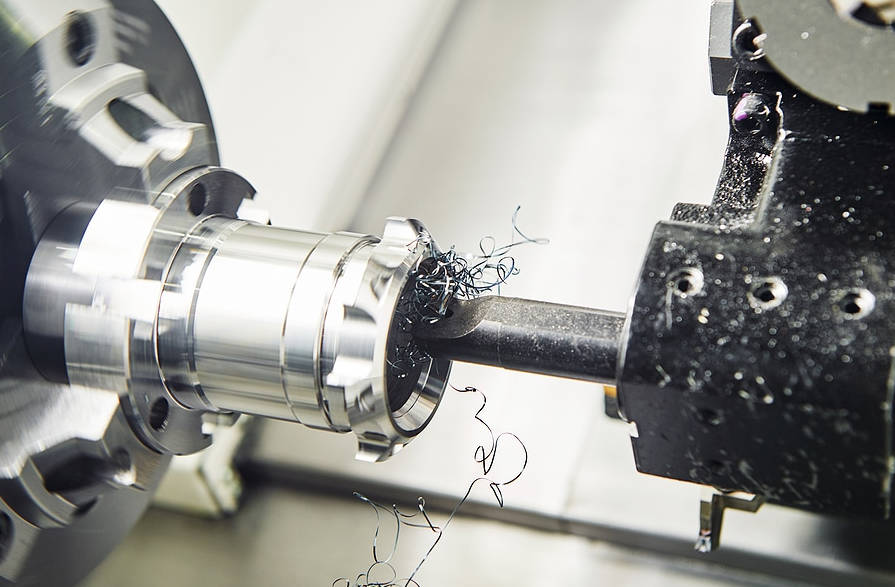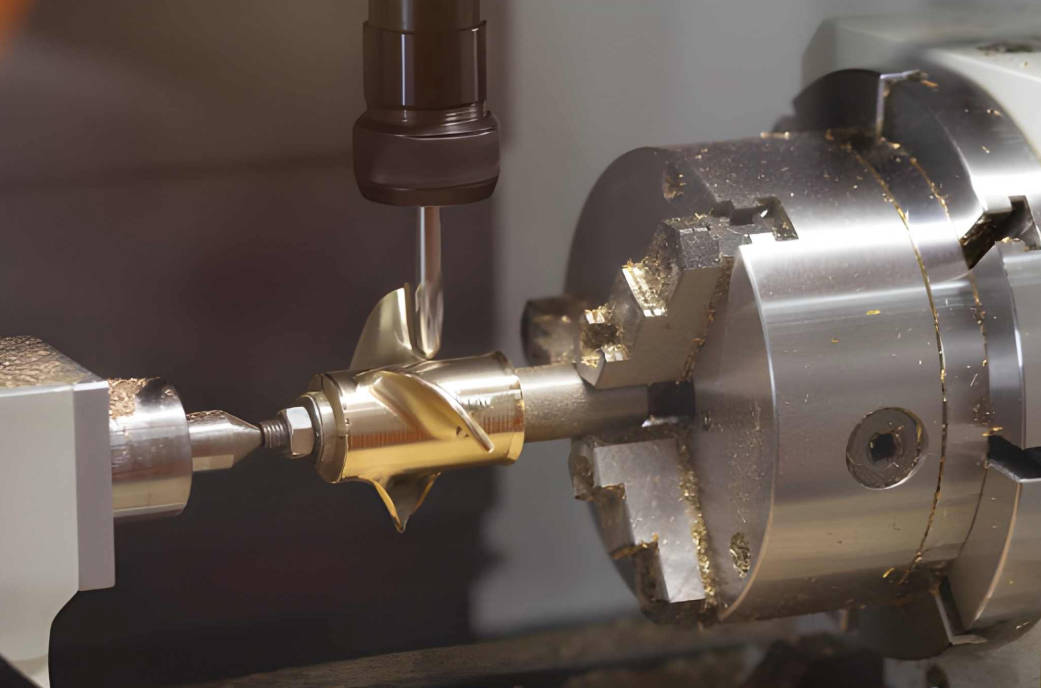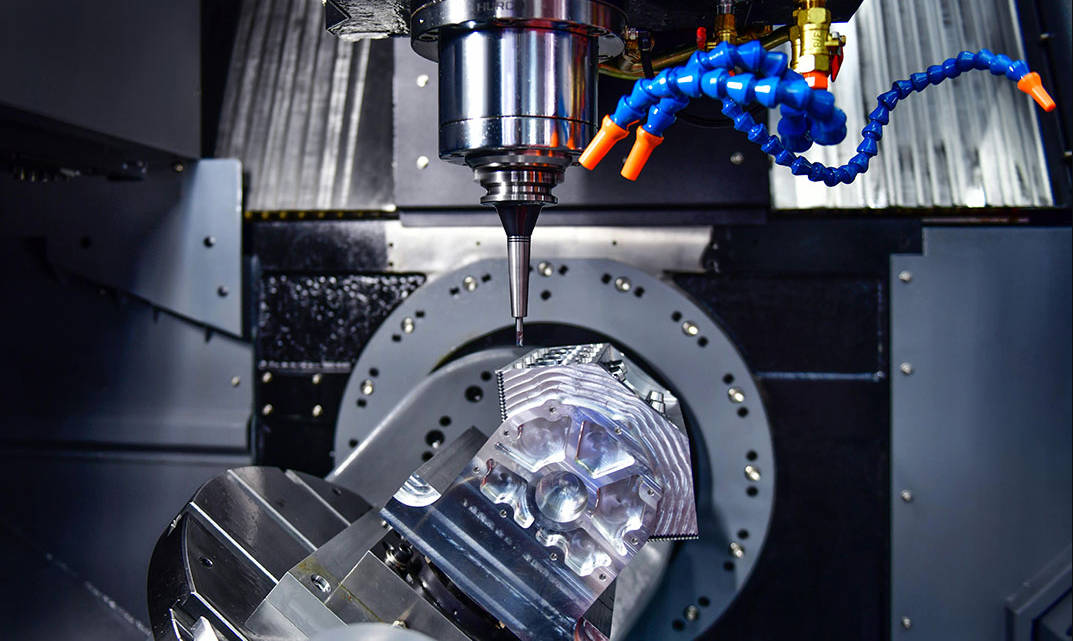
CNC machining tolerances define how much dimensional variation is acceptable while still allowing a part to function correctly. Before sending drawings to a supplier, buyers should clearly identify critical dimensions, general tolerances, datum references, material requirements, surface finish, and inspection needs. A clear tolerance strategy helps reduce quotation errors, machining cost, production delays, and quality disputes.
For custom CNC parts, tolerance is not only a number on a drawing. It is a practical manufacturing requirement that affects machine selection, fixture design, cutting tools, inspection method, production time, and final price. If tolerances are too loose, the part may fail assembly or function. If tolerances are too tight without a real functional reason, the part may become unnecessarily expensive and difficult to manufacture.
This CNC tolerance guide explains what buyers should know before sending drawings for CNC machining, CNC prototype machining, or small batch custom parts production.
HKAA Industrial supports CNC machining and prototype manufacturing for buyers who need custom metal and plastic parts based on drawings or 3D models. For early-stage product development, CNC prototype machining can help validate the design, material, dimensions, and tolerance requirements before moving into repeat production.
What Are CNC Machining Tolerances?
CNC machining tolerances are the acceptable limits of variation for a part dimension. For example, if a drawing specifies a hole diameter, shaft diameter, pocket depth, or overall length, the tolerance tells the supplier how much variation is allowed from the nominal dimension.
A tolerance may be shown in different ways, such as:
- Plus/minus tolerance
- Limit dimensions
- General tolerance note
- Geometric dimensioning and tolerancing, also called GD&T
- Fit tolerance for shafts and holes
- Surface roughness requirement
- Positional tolerance for holes or features
A good tolerance plan separates critical functional dimensions from non-critical dimensions. This allows the supplier to focus precision machining control where it matters most, instead of treating every feature as equally demanding.
For example, a bearing seat, sealing surface, locating pin hole, or mating shaft diameter may require tighter control. But a non-functional outside edge, clearance hole, or cosmetic feature may not need the same level of precision.
Why CNC Machining Tolerances Matter for Buyers
Tolerance directly affects whether a part can be assembled, tested, and used reliably. For overseas buyers, unclear tolerance requirements can lead to repeated emails, delayed quotations, rejected samples, or parts that do not fit after delivery.
Tolerance planning matters because it affects:
| Area | Why It Matters |
| Assembly fit | Parts must match mating components without excessive looseness or interference |
| Product function | Sealing, rotation, sliding, alignment, or load-bearing areas may depend on tolerance |
| Manufacturing cost | Tighter tolerances usually require more careful machining and inspection |
| Lead time | Precision requirements may increase programming, setup, finishing, and measuring time |
| Supplier communication | Clear drawings reduce misunderstanding during quotation and production |
| Inspection method | Critical tolerances may require specific measuring tools or reports |
| Batch repeatability | Tolerance control must remain stable across multiple parts, not only one sample |
For B2B custom parts, tolerance is a bridge between design intent and manufacturing reality. If the drawing does not explain what is critical, the supplier may not know which features require extra control.
Common Types of CNC Machining Tolerances
Different tolerance types serve different purposes. Buyers do not need to overcomplicate every drawing, but they should understand the basic categories.
| Tolerance Type | What It Controls | Common Use |
| Linear tolerance | Length, width, height, depth, thickness | General machined dimensions |
| Diameter tolerance | Hole diameter, shaft diameter, bore size | Fits, rotating parts, sleeves, bushings |
| Positional tolerance | Location of holes, slots, or features | Assembly alignment and fastener locations |
| Flatness | How flat a surface must be | Mating surfaces, sealing areas, mounting faces |
| Parallelism | Relationship between two surfaces or axes | Guide rails, mounting plates, precision blocks |
| Perpendicularity | 90-degree relationship between features | Housings, brackets, bores, mounting faces |
| Concentricity / coaxiality | Alignment of circular features around a common axis | Shafts, bushings, sleeves, rotating components |
| Surface roughness | Texture of a machined surface | Sealing, sliding, appearance, friction control |
| Thread tolerance | Thread fit and engagement | Fasteners, connectors, fittings |
For simple parts, general plus/minus tolerances may be enough. For precision assemblies, GD&T may be needed to describe feature relationships more clearly.
Tight Tolerance Machining: When Is It Necessary?
Tight tolerance machining is necessary when small dimensional variation can affect function, fit, movement, sealing, alignment, or safety. It should be used for critical features, not automatically applied to every dimension.
Common cases where tight tolerance machining may be needed include:
- Bearing seats
- Shaft diameters
- Precision holes
- Locating pin holes
- Sealing surfaces
- Sliding or rotating parts
- Press-fit or interference-fit features
- Concentric bores
- Medical or instrument components
- Aerospace-related precision components
- Robotics and automation components
- Hydraulic or pneumatic fittings
Tight tolerance CNC machining should be specified only where the part function requires it. Over-specifying tolerances increases machining difficulty, inspection workload, scrap risk, and cost.
A practical drawing should show which dimensions are critical and which can follow general tolerances. This helps the supplier make the part efficiently while still protecting the required performance.
How Tolerances Affect CNC Machining Cost
Tighter tolerance usually increases cost because it requires more process control. This does not mean buyers should avoid tight tolerances. It means buyers should apply them with purpose.
| Cost Factor | How Tolerance Affects It | Buyer Advice |
| Machine setup | Tighter features may require more careful setup and fixture control | Define critical datums clearly |
| Cutting process | Finishing passes may need to be slower and more controlled | Avoid tight tolerances on non-functional areas |
| Tool wear control | Tool wear can affect dimensions during batch production | Ask how critical dimensions will be controlled |
| Inspection time | More tight dimensions require more measuring time | Identify the dimensions that need inspection reports |
| Scrap risk | Narrow tolerance windows increase rejection risk | Confirm feasibility before production |
| Lead time | More checks and adjustments may extend production time | Discuss tolerance requirements early |
| Surface treatment | Coating or plating may affect final dimensions | Include finishing requirements in the RFQ |
A common problem is that buyers send drawings where every dimension has a tight tolerance by default. This may happen because the CAD template uses a standard tolerance block, or because the designer wants to be safe. But in CNC machining, unnecessary tight tolerances can create avoidable cost.
General Tolerances vs Critical Tolerances
Not all dimensions have the same importance. A strong drawing should distinguish between general tolerances and critical tolerances.
| Dimension Type | Example | Tolerance Strategy |
| Critical functional dimension | Bearing seat, shaft diameter, sealing surface | Use specific tighter tolerance |
| Assembly alignment dimension | Locating pin hole, hole pattern, mating face | Use position or tighter linear tolerance |
| Clearance feature | Clearance hole for screw, non-mating slot | Use practical general tolerance |
| Cosmetic or non-functional feature | Outside edge, non-contact surface | Avoid unnecessary tight tolerance |
| Stock removal feature | Pocket depth with no functional interface | Use tolerance based on function |
| Prototype-only feature | Early test part with uncertain design | Use practical tolerance unless testing requires precision |
A cost-effective CNC machining drawing controls the dimensions that matter and avoids over-controlling the dimensions that do not affect function.
This is especially important for CNC prototype projects. During early development, buyers may not yet know which dimensions are critical. In that case, it is useful to explain the part’s application to the supplier and ask for manufacturability feedback.
What Should Buyers Include in CNC Machining Drawings?
A CNC machining drawing should not only show the shape of the part. It should communicate manufacturing and inspection requirements clearly.
| Drawing Information | Why It Matters |
| 2D drawing with dimensions | Defines measurable features and tolerance requirements |
| 3D CAD file | Helps the supplier review geometry and generate toolpaths |
| General tolerance note | Sets default tolerance for non-critical dimensions |
| Critical tolerances | Identifies dimensions that need tighter control |
| Datum references | Shows how the part should be located and inspected |
| Material grade | Affects machinability, strength, corrosion resistance, and stability |
| Surface finish | Defines appearance, friction, sealing, or functional texture |
| Thread specifications | Prevents confusion about thread type, pitch, and depth |
| Heat treatment if needed | Affects hardness, strength, and dimensional stability |
| Surface treatment | Anodizing, plating, passivation, polishing, or coating may affect dimensions |
| Quantity | Helps plan process, fixture, inspection, and batch cost |
| Inspection requirements | Clarifies whether inspection reports or specific measuring methods are needed |
If the drawing is incomplete, the supplier may need to make assumptions. Assumptions can lead to mismatched expectations.
CNC Prototype Tolerances vs Production Tolerances
Prototype tolerances and production tolerances should not always be treated the same. A prototype may be used to test form, fit, assembly, or early function. Production parts require repeatability across multiple pieces and batches.
| Stage | Main Purpose | Tolerance Focus |
| Concept prototype | Check appearance and rough fit | Practical tolerances may be enough |
| Functional prototype | Test assembly, movement, and strength | Critical dimensions should be controlled |
| Engineering sample | Validate design and manufacturing feasibility | More detailed tolerance review |
| Pilot batch | Confirm repeatability and inspection process | Batch consistency becomes important |
| Production batch | Supply stable usable parts | Full process control and inspection planning |
For prototype projects, buyers should identify what the prototype is meant to prove. If the goal is only visual review, very tight machining tolerance may not be necessary. If the prototype must fit into an assembly or perform under load, critical tolerance requirements should be specified.
HKAA Industrial’s CNC prototype service can support buyers who need functional samples before confirming final production requirements.
How Material Affects Precision Machining Tolerance
Material selection has a major effect on tolerance control. Different materials respond differently to cutting force, heat, clamping pressure, tool wear, and internal stress.
| Material Type | Tolerance Considerations |
| Aluminum | Generally machinable, but thin walls may deform if not supported properly |
| Stainless steel | Strong and corrosion-resistant, but cutting heat and tool wear need control |
| Brass | Often machinable, but feature design and surface requirements still matter |
| Copper | Conductive and thermally active, may require careful tool and parameter selection |
| Carbon steel | Common for shafts and mechanical parts, may require heat treatment considerations |
| Titanium | Strong and lightweight, but more demanding to machine |
| POM / Delrin | Good dimensional stability for many plastic parts, but heat and clamping still matter |
| PEEK | High-performance plastic, often used for demanding applications |
| Nylon | Useful for wear-resistant parts, but moisture and dimensional behavior should be considered |
Material behavior becomes more important when the part has thin walls, long features, deep pockets, tight fits, or surface treatment requirements.
Datum References: A Common Source of Tolerance Problems
A datum is a reference point, line, surface, or axis used to locate and inspect a part. Without clear datums, the same part may be measured in different ways.
For example, if a hole position must be controlled relative to a mounting face, the drawing should identify that mounting face as a datum. If a bore must be concentric with an outer diameter, the drawing should define the relevant axis or reference feature.
Poor datum definition can cause problems such as:
- Supplier measures from a different reference than the buyer expects
- Hole locations appear correct in one inspection method but fail in assembly
- Milled features do not align with turned features
- Parts are rejected due to unclear inspection standards
- Engineering communication becomes slow and repetitive
For parts with both turned and milled features, datum control becomes even more important. In these cases, CNC turning and milling may help reduce setup changes and support better feature relationship control in many applications.
Common CNC Machining Tolerance Mistakes
Mistake 1: Applying Tight Tolerances to Every Dimension
This is one of the most common and costly mistakes. Tight tolerances should be used where function requires them. Applying them everywhere may increase machining time and inspection cost without improving part performance.
Mistake 2: Missing Datum References
A drawing with tolerances but no clear datum can still be ambiguous. The supplier needs to know how the part should be located and measured.
Mistake 3: Sending Only a 3D Model
A 3D model shows geometry but usually does not communicate tolerances, surface finish, threads, datums, or inspection requirements clearly. For custom CNC parts, a 2D drawing is still important.
Mistake 4: Ignoring Surface Finish and Post-processing
Surface treatment can affect final dimensions. For example, anodizing, plating, polishing, or coating may influence fit or appearance. These requirements should be included before quotation.
Mistake 5: Not Explaining the Part’s Function
If the supplier does not understand which features are critical, they may not know where to focus process control. A brief note about the application can help the supplier review the drawing more effectively.
Mistake 6: Using Unclear Thread Notes
Thread type, pitch, depth, and tolerance should be clearly specified. Thread ambiguity can cause assembly problems, especially for custom fittings, connectors, and mechanical components.
Mistake 7: Treating Prototype and Production Requirements the Same
Early prototypes may not need the same tolerance level as final production parts. However, functional prototypes must still control the features being tested.
How to Specify CNC Machining Tolerances More Effectively
A practical tolerance strategy should be based on function, manufacturability, and inspection.
Before sending drawings, buyers can review these questions:
- Which dimensions directly affect assembly?
- Which features contact other parts?
- Which surfaces must seal, slide, rotate, or locate?
- Which holes control alignment?
- Which dimensions can use general tolerances?
- Are datums clearly defined?
- Are thread specifications complete?
- Will surface treatment affect critical dimensions?
- Is the material suitable for the required tolerance?
- Is a prototype needed before batch production?
The most effective tolerance strategy is to define precision where it protects function and allow practical manufacturing variation where it does not.
This approach helps reduce unnecessary cost while maintaining part performance.
How to Choose a Supplier for Precision Machining Tolerance Control
A capable CNC machining supplier should be able to review drawings, identify tolerance risks, suggest manufacturability improvements, and inspect critical dimensions.
| Supplier Evaluation Point | What Buyers Should Check |
| Drawing review ability | Can the supplier identify unclear tolerances, missing datums, and difficult features? |
| Machining process capability | Can they handle milling, turning, prototype machining, and complex features? |
| Fixture planning | Can they control clamping, deformation, and repeatability? |
| Material experience | Can they machine the selected metal or plastic reliably? |
| Inspection capability | Can they measure critical dimensions using suitable methods? |
| Communication | Can they explain tolerance feasibility and manufacturing risks clearly? |
| Prototype support | Can they help verify tolerance requirements before batch production? |
| Batch repeatability | Can they maintain consistency across multiple parts? |
For buyers sourcing custom CNC parts, HKAA Industrial provides CNC machining and prototype support through its main service platform: HKAA Industrial CNC machining manufacturer.
FAQ
What are CNC machining tolerances?
CNC machining tolerances are the allowed dimensional variations from the nominal drawing size. They define how much a part dimension can vary while still meeting functional and assembly requirements.
What is a normal tolerance for CNC machining?
There is no single normal tolerance for every CNC machined part. General tolerances depend on part size, material, geometry, process, and application. Critical features should be specified separately based on function.
When do I need tight tolerance machining?
Tight tolerance machining is needed when dimensions affect fit, sealing, rotation, alignment, bearing installation, sliding movement, or product performance. It should be applied to critical features rather than every dimension.
How do CNC machining tolerances affect cost?
Tighter CNC machining tolerances usually increase cost because they require more careful setup, stable fixtures, controlled cutting tools, slower finishing in some cases, and more detailed inspection.
Should I send a 2D drawing or only a 3D model for CNC machining?
For accurate quotation and production, buyers should send both a 3D CAD file and a 2D technical drawing. The 3D model shows geometry, while the 2D drawing defines tolerances, datums, threads, material, and surface finish.
What is the difference between general tolerance and critical tolerance?
General tolerance applies to non-critical dimensions by default. Critical tolerance is specifically assigned to features that affect assembly, fit, movement, sealing, or performance.
How can I avoid CNC machining tolerance mistakes?
You can avoid tolerance mistakes by defining datums, separating critical and non-critical dimensions, avoiding unnecessary tight tolerances, specifying material and surface finish, and explaining the part’s functional requirements.
Conclusion
CNC machining tolerances are a key part of custom part manufacturing. They affect cost, lead time, process planning, inspection, repeatability, and final product performance. Buyers should not treat tolerances as simple numbers copied from a CAD template. They should be defined according to the part’s function, assembly requirements, material behavior, and manufacturing feasibility.
Before sending drawings, review critical dimensions, general tolerance notes, datums, threads, material grade, surface finish, and inspection requirements. A clear drawing package allows the supplier to quote more accurately, machine more efficiently, and reduce quality risks.
HKAA Industrial supports CNC machining, CNC prototype machining, and custom precision part manufacturing for buyers who need practical engineering support from early design validation to production-oriented CNC parts.