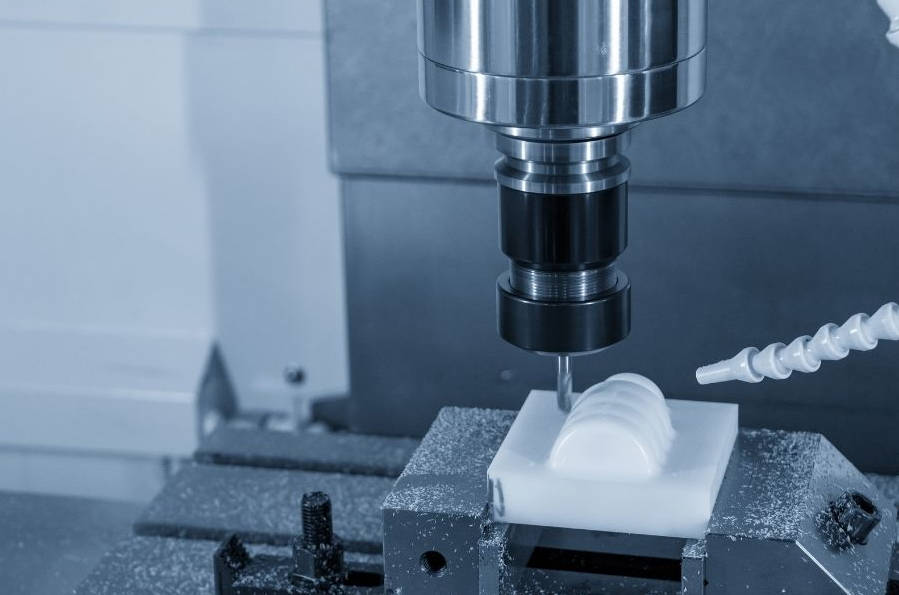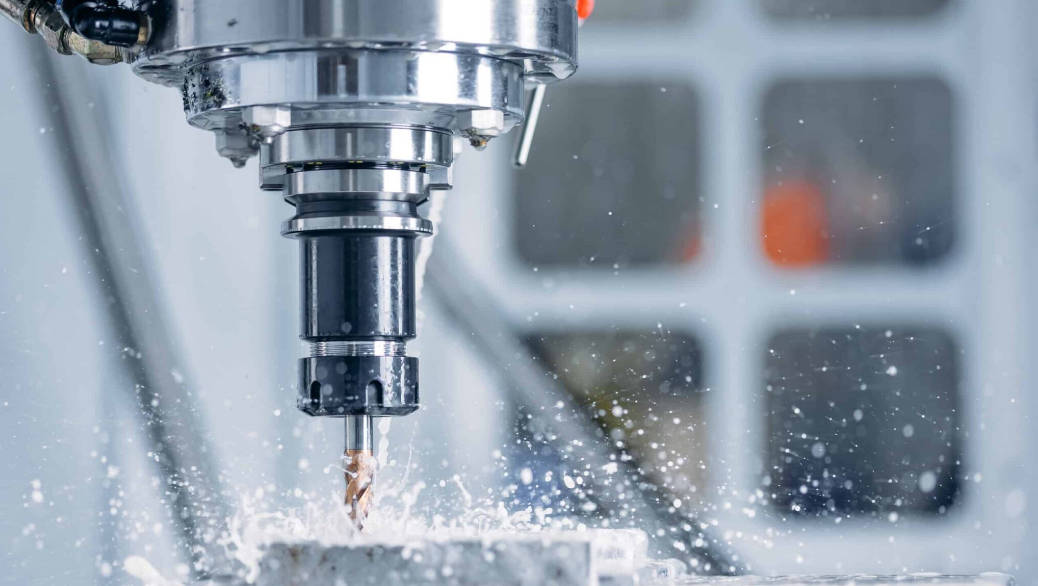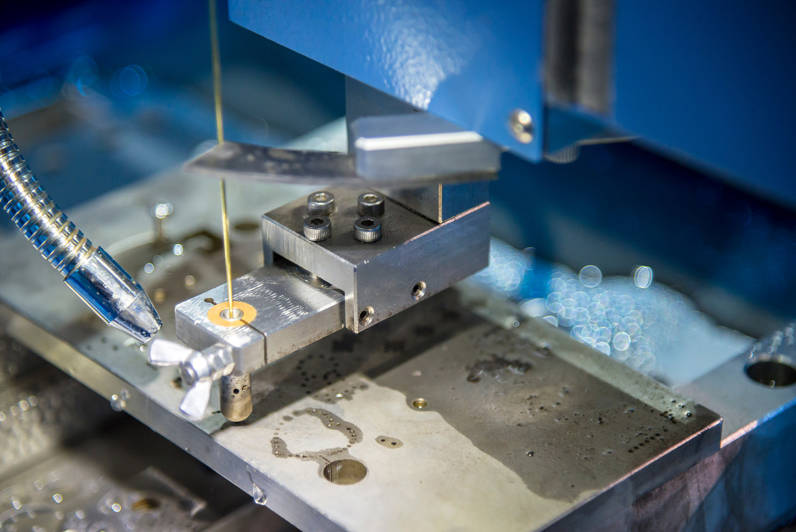
In the modern manufacturing landscape, aluminum stands as the most widely used material for precision components. Its unique combination of mechanical properties, aesthetic appeal, and cost-effectiveness makes it the “gold standard” for CNC machining services. Whether you are developing lightweight aerospace brackets, high-performance automotive engine parts, or sleek consumer electronics, understanding the nuances of aluminum grades and machining techniques is essential for project success.
Aluminum CNC machining is favored by engineers because it offers a high strength-to-weight ratio, exceptional machinability (up to 3x faster than steel), and natural corrosion resistance, making it the most cost-effective choice for both prototyping and high-volume production.
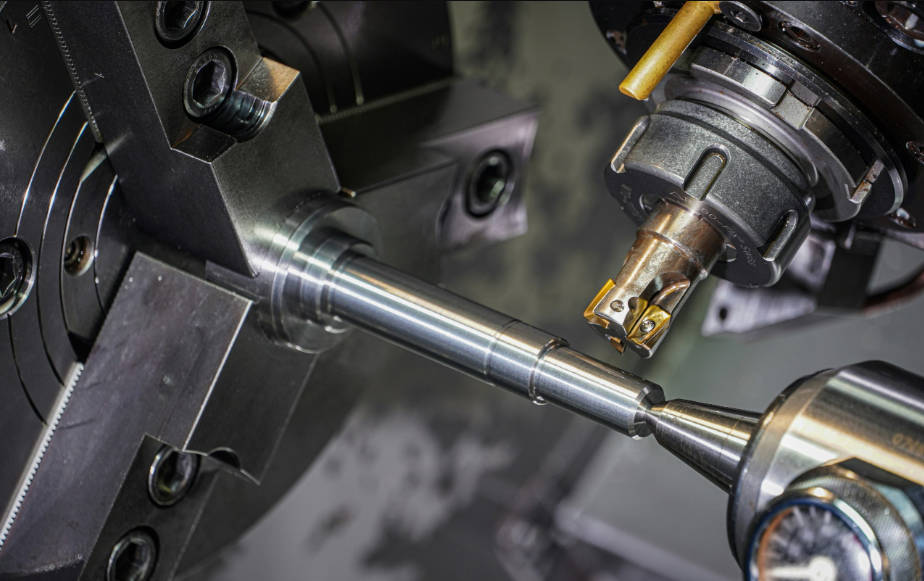
I. Why Aluminum Dominates Precision Machining
For any procurement manager or engineer, choosing a material involves balancing trade-offs. Aluminum is often the default choice because it bridges the gap between the affordability of plastics and the structural integrity of heavier metals like steel or titanium.
1. Superior Machinability
Machinability refers to how easily a material can be cut by a CNC machine. Aluminum has a high Material Removal Rate (MRR). Because it is relatively soft compared to stainless steel, tools can move through the material at higher speeds and feeds. This reduces the “cycle time”—the total time the part stays on the machine—which directly lowers the labor cost of your project.
2. Strength-to-Weight Ratio
One of the primary reasons aluminum is a staple in the aerospace and automotive industries is its density. At approximately $2.70 \text{ g/cm}^3$, aluminum is nearly one-third the weight of steel. The high strength-to-weight ratio of aluminum allows engineers to design lightweight parts that do not sacrifice structural integrity, which is critical for fuel efficiency in transportation and portability in electronics.
3. Thermal and Electrical Conductivity
Aluminum is an excellent conductor of both heat and electricity. This makes it the premier material for thermal management components, such as heat sinks and cold plates, as well as electrical connectors and housings.
II. Deep Dive: Common Aluminum Grades and How to Choose
Not all aluminum is created equal. The alloying elements (such as magnesium, silicon, copper, and zinc) significantly alter the metal’s performance.
1. Aluminum 6061-T6 (The All-Rounder)
This is the most popular grade in the world of CNC machining. It is versatile, easy to weld, and possesses good mechanical properties.
- Best for: Structural components, frames, and general-purpose parts.
- Why it’s popular: It offers the best balance of cost, strength, and machinability.
2. Aluminum 7075-T6 (The “Aerospace” Grade)
When strength is the top priority, 7075 is the answer. Alloyed primarily with zinc, it is one of the strongest aluminum alloys available.
- Best for: Aerospace fittings, high-stress gears, and shafts.
- Trade-off: It is more expensive than 6061 and has lower corrosion resistance.
3. Aluminum 2024-T3 (High Fatigue Resistance)
This alloy contains copper as the primary alloying element. It is known for its high fatigue resistance and high strength.
- Best for: Aircraft structures under tension and wing/fuselage components.
4. Aluminum 5052-H32 (Marine Excellence)
If your part will be exposed to saltwater or harsh chemicals, 5052 is the superior choice. It has excellent resistance to marine environments.
- Best for: Marine hardware, fuel tanks, and electronic chassis.
Mechanical Properties Comparison Table
| Grade | Tensile Strength (MPa) | Yield Strength (MPa) | Machinability | Corrosion Resistance |
| 6061-T6 | 310 | 275 | Excellent | Very Good |
| 7075-T6 | 570 | 503 | Good | Fair |
| 2024-T3 | 470 | 325 | Good | Fair |
| 5052-H32 | 230 | 195 | Fair | Excellent (Marine) |
| 6063 | 185 | 145 | Excellent | Excellent (Aesthetic) |
III. Surface Finishing Options for Aluminum CNC Parts
While “as-machined” aluminum looks professional, many B2B applications require secondary finishing for protection or branding.
1. Anodizing (Type II and Type III)
Anodizing is the most common surface treatment for aluminum CNC parts, providing a protective oxide layer that increases corrosion resistance, improves surface hardness, and allows for the application of vibrant colors.
- Type II (Decorative): Ideal for branding and basic protection.
- Type III (Hardcoat): Creates a wear-resistant surface nearly as hard as tool steel.
2. Bead Blasting
This process involves firing small glass beads at the surface to create a uniform, matte finish. It is excellent for removing tool marks and creating a “satin” look.
3. Chem Film (Chromate Conversion)
Chem film provides a protective coating while maintaining the part’s electrical conductivity. It is frequently used as a primer for paint or powder coating.
IV. Design for Manufacturing (DFM) Tips for Aluminum
Optimizing your design can significantly reduce the cost of your CNC machining service. Aluminum is forgiving, but smart design still pays off.
- Avoid Deep Pockets: Limit the depth of pockets to 3x–4x the tool diameter. Deep pockets lead to tool vibration and chip accumulation.
- Standardize Corner Radii: Use standard tool sizes (e.g., 3mm, 6mm) for internal corners. This allows for faster cutting without custom tooling.
- Wall Thickness: Aim for a minimum wall thickness of $0.8\text{mm}$ to $1.0\text{mm}$. While aluminum is stable, thinner walls can warp due to residual stresses.
- Simplify Threading: Use standard tap sizes. Tapping aluminum is generally easy, but blind holes should have extra depth at the bottom to prevent tap breakage.
V. Cost Analysis: How Grade and Design Impact Your Invoice
The final cost of an aluminum CNC part is driven by three factors:
- Material Cost: Aluminum 6061 is the baseline. Stepping up to 7075 can increase the raw material cost by $50\%$ to $100\%$.
- Machining Time: Complexity is the enemy of budget. A part that requires multiple setups (flipping the part) will cost significantly more than a part that can be machined in one operation.
- Finish Requirements: Anodizing is cost-effective in bulk, but for small batches, the “lot charge” can be high.
For most commercial applications, choosing Aluminum 6061 with a Type II Anodize finish offers the best balance of aesthetic appeal, functional durability, and manufacturing cost.
VI. Industry-Specific Applications
Aluminum’s versatility is best demonstrated through its wide adoption across sectors:
- Aerospace: Due to the weight-to-strength requirements, nearly $80\%$ of aircraft structural parts are aluminum.
- Automotive: Used in engine blocks, transmission cases, and wheels to reduce vehicle weight and improve fuel economy.
- Medical: Ideal for surgical instruments and orthopedic devices because it can be sterilized and is non-magnetic (safe for MRI environments).
- Electronics: Used for enclosure cooling and heat sinks because of its high thermal conductivity.
Conclusion: Partnering for Precision
Selecting the right aluminum grade and machining strategy is a collaborative process. By understanding the properties of alloys like 6061 and 7075 and applying DFM principles, you can ensure your project is both high-performing and cost-efficient.
When vetting a CNC machining service, look for providers with specific expertise in aluminum high-speed machining and comprehensive in-house finishing. This ensures a seamless transition from your CAD file to a finished, high-quality component.