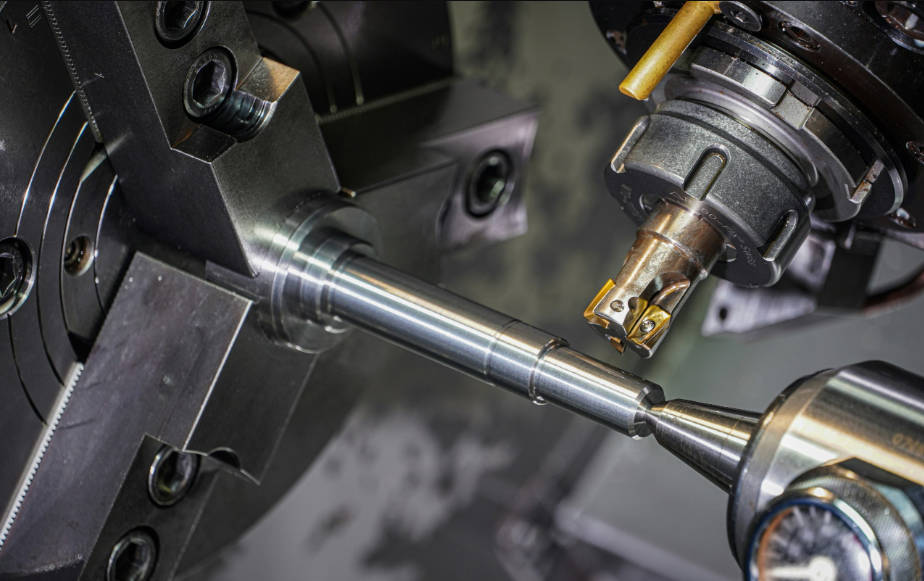
CNC turning is a precision manufacturing process used to create a vast array of cylindrical, conical, and spherical parts by rotating a workpiece while a stationary cutting tool removes material. This subtractive manufacturing method is the modern evolution of the traditional lathe, and it is fundamental for producing components with rotational symmetry, such as shafts, pins, custom fasteners, bushings, and nozzles. From tiny electronic connectors to massive aerospace turbine shafts, if a part is predominantly round, it was likely made using CNC turning.
Table of Contents
- What is CNC Turning and Why is it Used for Cylindrical Parts?
- A Showcase of Common CNC Turned Parts by Type
- Which Industries Rely on CNC Turned Components?
- What Materials Are Used to Make Turned Parts?
- How to Identify if Your Part is a Good Candidate for CNC Turning
- Conclusion: The Versatility of CNC Turning in Modern Manufacturing
What is CNC Turning and Why is it Used for Cylindrical Parts?
At its core, CNC (Computer Numerical Control) turning is a highly automated machining process that shapes material by spinning it at high speed. A bar of raw material, known as a workpiece, is held in a chuck and rotated. As it spins, a cutting tool is programmed to move along the X and Z axes to precisely chip away material, sculpting the final component. This fundamental principle of a rotating workpiece and a relatively stationary tool is what makes turning the ideal method for creating parts with features that are concentric to a central axis.
The entire operation is governed by a computer program, typically generated from a CAD (Computer-Aided Design) model. This digital control allows for extraordinary levels of precision and repeatability, far surpassing what is possible with manual lathes. CNC turning machines, or lathes, can perform a variety of operations, including cutting, facing, threading, grooving, knurling, and drilling. This versatility enables the creation of complex geometries on a single machine, reducing setup times and ensuring all features are perfectly aligned.
The primary advantage of CNC turning lies in its efficiency and accuracy for producing round parts. Because the cutting force is applied uniformly around the circumference of the workpiece, the process naturally creates exceptionally round and concentric features with excellent surface finishes. This makes it the go-to manufacturing solution for any component where rotational symmetry is a key design requirement, from simple spacers to intricate, multi-featured shafts that are critical for mechanical assemblies.
A Showcase of Common CNC Turned Parts by Type
While the applications are nearly limitless, most CNC turned components can be categorized by their primary function. Understanding these categories helps illustrate the process’s capabilities.
Shafts, Axles, and Rods
Perhaps the most classic examples of turned parts, shafts, axles, and rods are fundamental components in nearly all mechanical systems. Their primary role is to transmit torque and motion. CNC turning is the only practical way to machine these long, cylindrical components with the required straightness, concentricity, and diameter tolerances. Features such as steps, tapers, grooves for retaining rings, and keyways (often added in a secondary milling operation) are precisely machined to ensure a perfect fit with bearings, gears, and other mating parts. Examples include drive shafts in vehicles, motor shafts in electronics, and piston rods in hydraulic cylinders.
Fasteners and Connectors
The world is held together by fasteners, and a huge number of them are produced via CNC turning, especially custom or high-performance versions. This category includes everything from specialized bolts and screws to threaded inserts, nuts, and standoffs. CNC turning excels at creating highly accurate external and internal threads of various pitches and standards. It is also used for electronic connectors, such as coaxial (RF) connectors and pogo pins, where the concentricity of the inner and outer conductors is critical for performance.
Bushings, Bearings, and Spacers
These components serve to reduce friction, support rotating shafts, or maintain precise spacing between other parts in an assembly. For bushings and bearings, the concentricity between the inner and outer diameters is paramount for smooth operation and longevity. CNC turning guarantees these geometric requirements are met. Spacers, while simpler, still require perfectly parallel faces and accurate lengths to prevent misalignment in an assembly, making them an ideal and cost-effective part for a CNC lathe.
Housings and Enclosures
Many electronic, optical, and mechanical systems are protected by cylindrical housings. CNC turning is used to create these parts, often from a solid bar of aluminum or stainless steel. The process can efficiently hollow out the interior (a process called boring) while creating precise external features like mounting flanges, O-ring grooves for sealing, and threads for caps. Examples range from small sensor housings and LED light enclosures to the bodies of hydraulic valves and small motor cases.
Nozzles, Valves, and Fittings
Components designed to control the flow of liquids or gases rely heavily on CNC turning. Nozzles, which must have precisely shaped internal passages to manage flow rate and spray pattern, are a perfect application. Likewise, valve bodies, spools, and seats require extremely tight tolerances and smooth surface finishes to create effective seals and prevent leaks. Hydraulic and pneumatic fittings, which connect hoses and pipes, are almost exclusively made via turning to ensure their threads and sealing surfaces are perfect for high-pressure applications.
Which Industries Rely on CNC Turned Components?
The precision, speed, and versatility of CNC turning have made it an indispensable process across a wide spectrum of industries. Each sector leverages the technology to produce parts with specific material properties and geometric tolerances tailored to their unique, demanding applications.
| Industry | Common CNC Turned Parts | Key Requirements |
|---|---|---|
| Aerospace | Turbine shafts, landing gear components, hydraulic fittings, bushings, fasteners | High-strength alloys (Titanium, Inconel), tight tolerances, traceability, flawless surface finish |
| Automotive | Camshafts, crankshafts, transmission shafts, pistons, valve components, wheel hubs | Durability, high-volume production, cost-efficiency, consistency |
| Medical | Surgical instruments, dental implants, bone screws, device housings, diagnostic probes | Biocompatibility (Stainless Steel, Titanium), extreme precision, miniaturization, sterilizable surfaces |
| Electronics | Connectors (coaxial, D-sub), sockets, standoffs, heat sinks, switch buttons | Miniaturization, electrical conductivity (Brass, Copper), complex micro-features |
| Oil & Gas | Valve components, downhole tool parts, sensor housings, fittings, flanges | Corrosion resistance (Stainless Steel, Monel), high-pressure tolerance, durability in harsh environments |
| Defense | Munitions components, firearm barrels, guidance system parts, vehicle axles | Hardened materials, reliability under extreme conditions, strict adherence to military specifications |
What Materials Are Used to Make Turned Parts?
The choice of material is critical to the function of a turned part, dictating its strength, weight, corrosion resistance, and cost. CNC turning is compatible with a vast range of metals and plastics, allowing engineers to select the perfect material for their application.
Metals
Metals are the most common materials used in CNC turning due to their strength and durability. Different alloys offer unique properties:
- Aluminum (e.g., 6061, 7075): Valued for its excellent strength-to-weight ratio, thermal conductivity, and natural corrosion resistance. It is easy to machine, making it a cost-effective choice for prototypes and production parts in aerospace and consumer electronics.
- Steel (e.g., Stainless 303/304/316, Carbon 1018, Alloy 4140): A versatile category offering everything from the corrosion resistance of stainless steel for medical and food-grade parts, to the high strength of alloy steel for automotive shafts, and the affordability of carbon steel for general hardware.
- Brass & Copper: Chosen for their outstanding electrical conductivity and resistance to corrosion. They are frequently used for electrical connectors, fittings, and decorative components. Brass is particularly easy to machine.
- Titanium: Known for its exceptional strength, low weight, and biocompatibility, making it the premier choice for high-end aerospace components and medical implants like bone screws. It is more challenging and expensive to machine than other metals.
Plastics
Engineering plastics offer unique advantages like light weight, chemical resistance, and self-lubricating properties, making them ideal for specific applications.
- Delrin (POM): A stiff, low-friction plastic with excellent dimensional stability. It’s often used for bushings, bearings, and gears that require high stiffness and wear resistance without lubrication.
- Nylon: A tough and durable plastic with good resistance to impact and chemicals. It’s commonly used for insulators, rollers, and wear pads.
- PEEK: A high-performance polymer that can withstand high temperatures, harsh chemicals, and high loads. It is used in demanding applications in the medical, aerospace, and semiconductor industries.
- Teflon (PTFE): Famous for its extremely low coefficient of friction and superior chemical resistance. It is an ideal choice for seals, insulators, and non-stick liners.
How to Identify if Your Part is a Good Candidate for CNC Turning
For designers, engineers, and procurement managers, quickly determining if a part should be turned, milled, or made by another process is crucial for optimizing cost and quality. A few simple guidelines can help make this decision clear.
Key Geometric Indicators
Look for these primary characteristics in your part’s design. If it ticks these boxes, CNC turning is likely the best and most cost-effective manufacturing method:
- Primarily Cylindrical Shape: The most obvious clue. Does the part have a round profile as its main feature? Even parts with some off-axis features (like holes or flats) can start as a turned part before a secondary milling operation.
- Rotational Symmetry: If you can rotate the part along its central axis and its profile remains the same, it possesses rotational symmetry. This is the defining characteristic of a part perfectly suited for a lathe.
- Features on the Axis: Check if key features like grooves, threads, tapers, and steps are concentric with the part’s central axis. These are all created efficiently as the part spins in the lathe.
CNC Turning vs. CNC Milling: A Quick Comparison
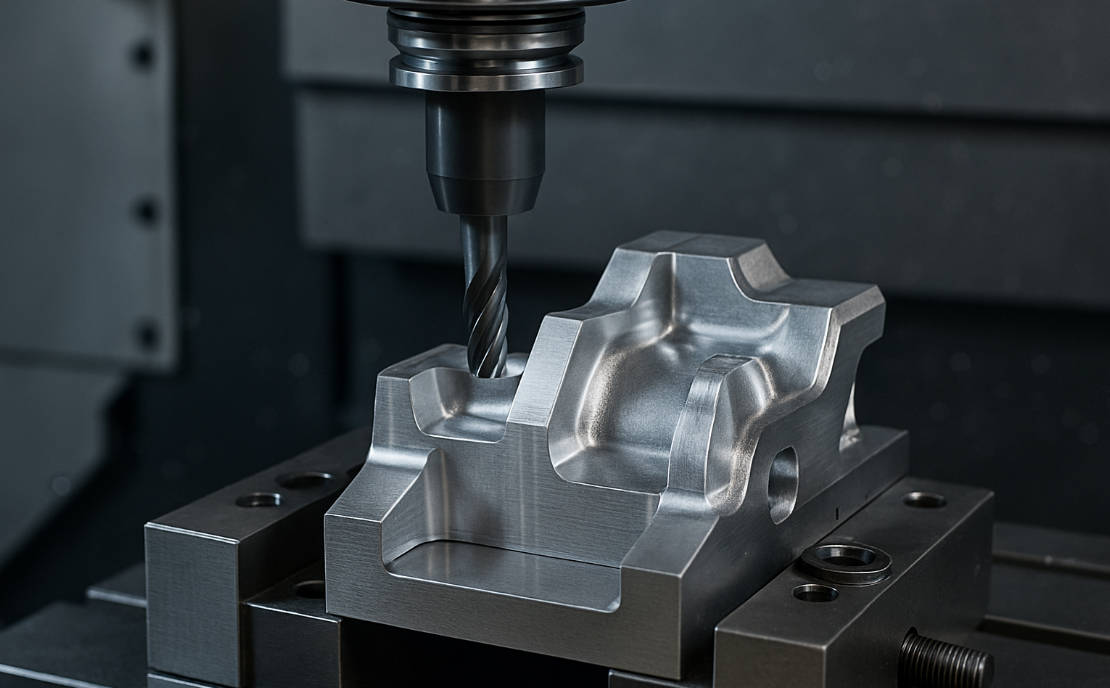
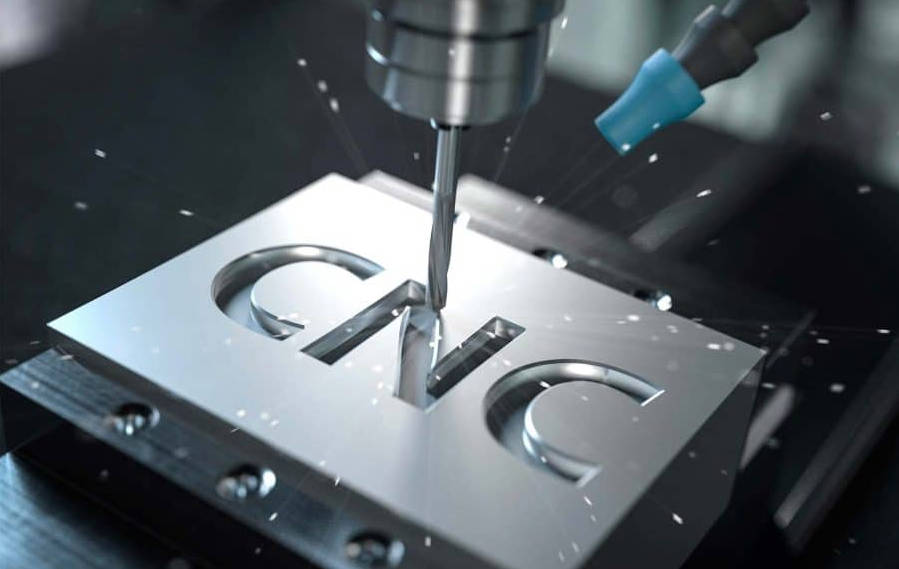
Understanding the fundamental difference between turning and milling is key. In CNC turning, the workpiece rotates while a stationary cutting tool removes material. In CNC milling, the tool rotates while the workpiece is held stationary on a table that moves beneath it. This simple distinction dictates their ideal applications. Turning excels at creating round parts, while milling is used for parts with flat surfaces, pockets, and complex 3D contours, often starting from a square or rectangular block of material. For parts that require both types of features, advanced turn-mill centers can perform both turning and milling operations in a single setup, offering the best of both worlds for highly complex components.
Conclusion: The Versatility of CNC Turning in Modern Manufacturing
CNC turning is far more than just a method for making simple pins and shafts; it is a cornerstone of modern precision manufacturing. Its ability to efficiently and repeatedly produce highly accurate cylindrical components from a vast range of materials makes it an essential process for nearly every industry, from aerospace and medical to automotive and electronics. By understanding the types of parts best suited for turning—those with rotational symmetry—and the diverse applications they serve, innovators and engineers can better leverage this powerful technology to bring their designs to life with unparalleled precision and quality.
CNC turning parts, what parts are made by CNC turning, examples of CNC turned components, CNC lathe parts examples, parts suitable for CNC turning, industries using CNC turning, CNC turning materials for parts, designing parts for CNC turning