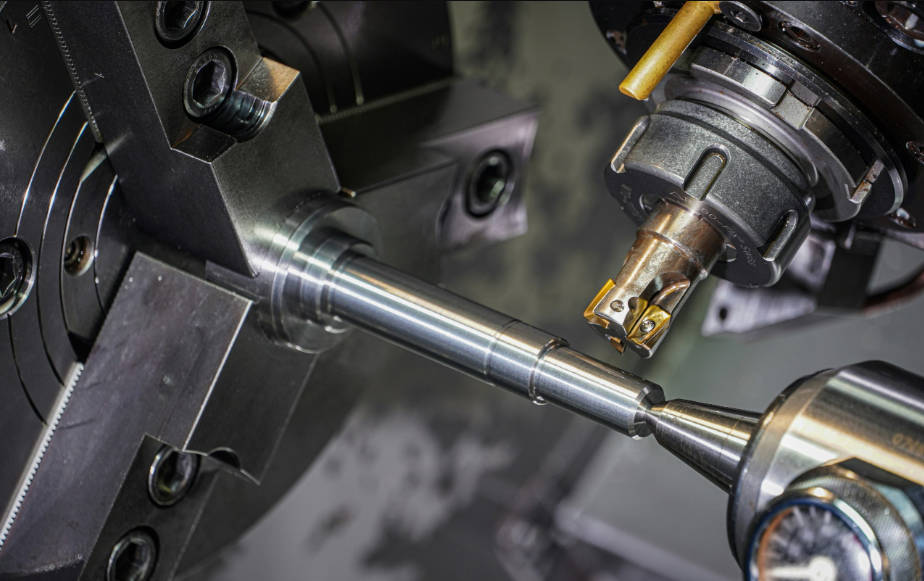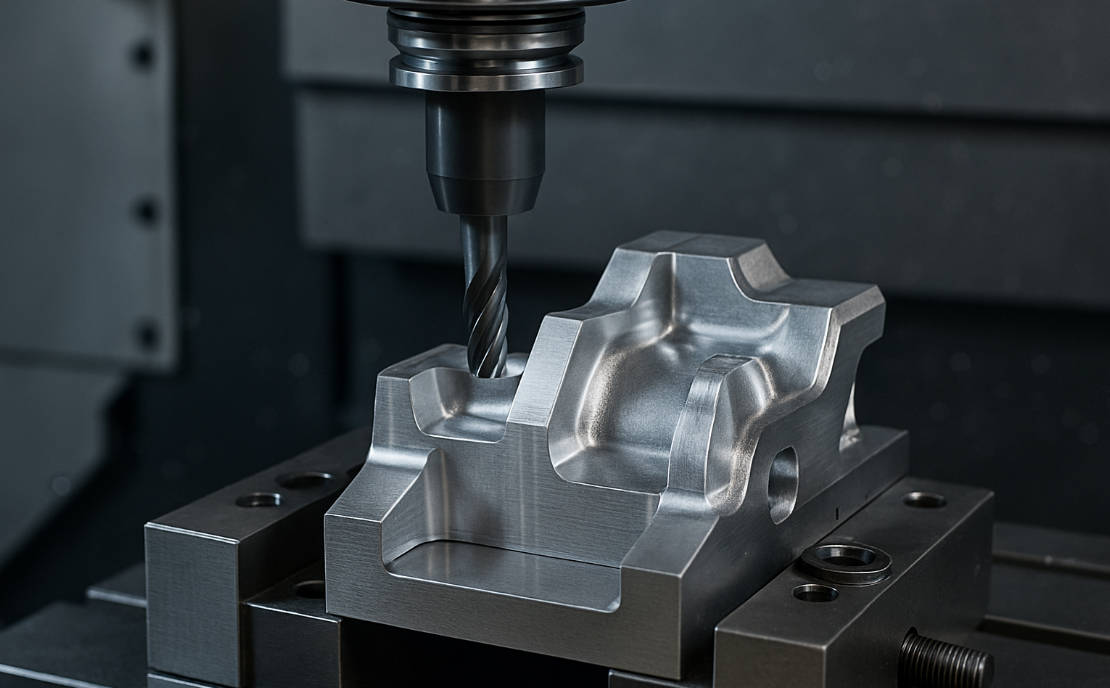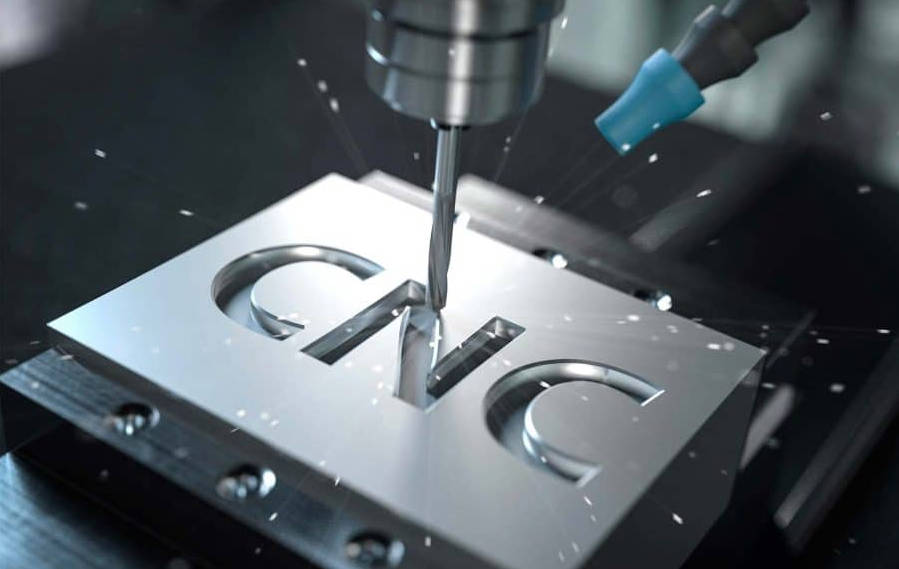
To *shorten CNC machining production lead time* effectively, manufacturers must adopt a multi-faceted approach encompassing process optimization, advanced technology integration, and strategic operational planning. Key strategies include enhancing Design for Manufacturability (DFM), streamlining CAM programming, implementing robust tooling management, optimizing material flow, and leveraging automation. By addressing these critical areas, businesses can significantly reduce turnaround times, improve operational efficiency, and gain a competitive edge in today’s demanding market.
Table of Contents
- Introduction: The Imperative of Reducing CNC Lead Times
- Why is Shortening CNC Lead Time Crucial for Modern Manufacturing?
- Foundational Strategies: Optimizing Design and Planning
- Enhancing Machine Shop Efficiency and Throughput
- Data-Driven Insights and Continuous Improvement
- Measuring Success and Overcoming Challenges
- Conclusion: A Holistic Approach to Accelerated Manufacturing
Introduction: The Imperative of Reducing CNC Lead Times
In the dynamic landscape of modern manufacturing, where customer demands for faster delivery and customized products are ever-increasing, the ability to *reduce CNC machining lead time* has become a critical competitive differentiator. A lengthy production cycle can lead to missed opportunities, dissatisfied clients, and increased operational costs. Conversely, a streamlined, efficient manufacturing process that minimizes lead times empowers businesses to respond swiftly to market shifts, improve cash flow, and enhance overall profitability. This comprehensive guide delves into actionable strategies and best practices that any CNC machine shop, regardless of size or specialization, can adopt to significantly *accelerate its production schedule* and optimize its output.
The journey to *shorten CNC production lead time* is not merely about making machines run faster; it’s about optimizing every facet of the production ecosystem, from initial design concepts to final product delivery. This involves a blend of smart planning, technological integration, continuous process improvement, and a highly skilled workforce. By systematically addressing bottlenecks and inefficiencies, manufacturers can unlock substantial gains in productivity and responsiveness.
Why is Shortening CNC Lead Time Crucial for Modern Manufacturing?
The drive to *optimize CNC manufacturing timelines* stems from several key business imperatives. In today’s global economy, customers expect speed, quality, and competitive pricing. Prolonged lead times can directly impact a company’s ability to meet these expectations, potentially leading to lost contracts and damaged reputation. Furthermore, shorter lead times contribute to a healthier financial standing by:
- ***Improving Cash Flow:*** Faster production cycles mean quicker delivery and invoicing, accelerating the revenue stream.
- ***Reducing Inventory Costs:*** Less work-in-progress (WIP) and finished goods inventory translates to lower holding costs and reduced risk of obsolescence.
- ***Enhancing Responsiveness to Market Demands:*** The ability to quickly pivot and produce new parts or adapt to design changes is invaluable in volatile markets.
- ***Boosting Customer Satisfaction:*** Meeting or exceeding delivery expectations builds trust and fosters long-term client relationships.
- ***Gaining a Competitive Advantage:*** Companies that can deliver faster and more reliably often win more business.
Understanding these fundamental benefits underscores the importance of a dedicated effort to *trim CNC manufacturing schedules* and operational inefficiencies.
Foundational Strategies: Optimizing Design and Planning
The most effective lead time reduction efforts often begin long before a component ever reaches the CNC machine. Strategic planning and design optimization lay the groundwork for a swift and efficient manufacturing process.
1. Implement Design for Manufacturability (DFM) Principles
Integrating *Design for Manufacturability (DFM)* principles early in the product development cycle is arguably one of the most impactful ways to *reduce CNC cycle times*. DFM involves designing parts in a way that simplifies their production, minimizes machining operations, and reduces material waste. This proactive approach can prevent costly redesigns and complex setups down the line, thereby *streamlining CNC production processes* significantly. Engineers should collaborate closely with machinists to identify features that are difficult or time-consuming to machine, exploring simpler alternatives without compromising functionality. For instance, replacing sharp internal corners with radii, standardizing hole sizes, and minimizing deep pockets can dramatically reduce tool changes and machining time.
Furthermore, DFM encourages the use of standard components and readily available materials, which helps in *optimizing material acquisition timelines* and reducing dependency on custom orders. By simplifying part geometry and reducing the number of complex features, DFM ensures that the design is not only functional but also inherently efficient to produce, leading to substantial savings in both time and cost. *How can DFM shorten lead times?* By eliminating unnecessary complexities and facilitating smoother, faster machining operations from the outset.
2. Streamline CAD/CAM Programming and Simulation
Efficient *CAD/CAM programming* is a cornerstone of *accelerating CNC workflow*. Modern CAM software offers sophisticated tools that can significantly reduce the time spent generating toolpaths and setting up jobs. Utilizing features like feature recognition, template-based programming, and automated toolpath generation can drastically cut down programming time. However, the benefits extend beyond mere speed. *What role does simulation play in reducing lead time?* Integrated simulation and verification tools allow programmers to identify and correct potential errors, collisions, and inefficient toolpaths *before* the job hits the machine.
This pre-production validation is crucial for avoiding costly machine crashes, scrap material, and downtime caused by re-runs or adjustments on the shop floor. Advanced CAM systems can also optimize cutting strategies, suggesting more efficient paths, appropriate feeds and speeds, and tool selection, leading to *shorter cycle times* and improved surface finish. Investing in training for programmers to master these advanced features is essential for maximizing their impact on lead time reduction. Furthermore, integrating CAD/CAM with other systems, such as enterprise resource planning (ERP) or manufacturing execution systems (MES), can create a seamless data flow, reducing manual data entry and potential errors.
3. Strategic Material Procurement and Inventory Management
The supply chain’s efficiency directly impacts *CNC lead times*. *Optimizing material procurement* is about ensuring the right materials are available at the right time, preventing delays caused by stock shortages or lengthy delivery schedules. Implementing strategies like Just-In-Time (JIT) inventory management for high-volume or critical materials can minimize storage costs and reduce the risk of obsolescence, but it requires reliable suppliers. For less critical or commonly used materials, maintaining a strategic safety stock can act as a buffer against unforeseen supply chain disruptions.
Establishing strong relationships with multiple, dependable suppliers is key. Negotiating favorable terms and lead times, and potentially dual-sourcing critical materials, can mitigate risks. Furthermore, *effective inventory management* involves precise forecasting and tracking to avoid both overstocking and understocking. Utilizing inventory management software can provide real-time visibility into stock levels, automate reordering, and track material consumption, directly contributing to *faster CNC production turnaround*. Minimizing the time materials spend in transit or waiting in storage translates directly into shorter overall production lead times.
Here’s a comparative look at inventory strategies:
| Strategy | Description | Impact on Lead Time | Considerations |
|---|---|---|---|
| Just-In-Time (JIT) | Materials delivered exactly when needed for production. | Minimizes material waiting time, reduces overall project duration. | Requires highly reliable suppliers, precise forecasting, and flexible logistics. |
| Safety Stock | Maintaining a buffer of frequently used materials. | Prevents delays due to unexpected demand or supply disruptions. | Ties up capital, risk of obsolescence if not managed well. |
| Strategic Sourcing | Long-term partnerships with multiple, vetted suppliers. | Ensures consistent supply, potentially faster delivery terms. | Requires upfront investment in relationship building and negotiation. |
Enhancing Machine Shop Efficiency and Throughput
Once designs and materials are ready, the focus shifts to the machine shop floor. Here, optimizing the actual machining process and workflow is paramount for *reducing CNC cycle times* and *boosting overall throughput*.
4. Optimize Tooling and Workholding Strategies
Inefficient tooling and workholding can be major hidden bottlenecks in *CNC production lead times*. *Optimized tooling strategies* involve selecting the right tools for the job—not just in terms of material and coating, but also considering geometry and cutting parameters to maximize material removal rates and tool life. Implementing a systematic approach to tool management, including pre-setting tools offline with a tool presetter, significantly reduces machine downtime during tool changes. *How do quick-change tooling systems impact lead time?* They drastically cut down setup times between different operations or jobs, allowing machines to spend more time cutting metal and less time waiting for manual tool adjustments.
Similarly, *advanced workholding solutions* play a crucial role. Quick-change fixturing, modular workholding systems, and hydraulic or pneumatic clamping can dramatically reduce the time spent loading and unloading parts. The goal is to minimize manual intervention and maximize the machine’s spindle utilization. Investing in high-quality, specialized tooling and workholding devices, while seeming like an upfront cost, quickly pays for itself through increased machine uptime, reduced setup times, and consistently higher-quality parts, all contributing to a *faster CNC turnaround*.
5. Prioritize Preventative Maintenance and Machine Uptime
Unscheduled machine breakdowns are among the most detrimental factors to *CNC production lead times*. A robust *preventative maintenance (PM)* program is not an expense, but an investment that ensures consistent machine performance and minimizes unexpected downtime. This involves regular inspections, lubrication, calibration, and replacement of wear-prone components before they fail. *How does maintenance impact production schedules?* By reducing the likelihood of costly and time-consuming breakdowns, PM keeps machines running reliably, maintaining a predictable production flow and preventing sudden, disruptive delays.
Beyond PM, adopting *predictive maintenance* techniques, such as monitoring machine vibrations, temperature, and power consumption, can provide early warnings of potential issues. This allows for scheduled maintenance interventions that can be planned during off-peak hours or between jobs, rather than reacting to a catastrophic failure. Maximizing *machine uptime* directly translates to *increased CNC throughput* and shorter lead times, making a proactive maintenance strategy indispensable for any shop aiming for efficiency.
6. Leverage Automation and Robotics
For high-volume production or repetitive tasks, *integrating automation and robotics* offers unparalleled opportunities to *shorten CNC machining lead times*. Automated loading and unloading systems, such as robotic arms or gantry loaders, can significantly reduce cycle times by eliminating manual intervention between parts. This allows for lights-out manufacturing during off-hours, maximizing machine utilization around the clock. *How can automation reduce lead time?* By enabling continuous operation, reducing human error, and performing tasks much faster and more consistently than manual methods.
Further automation can extend to automated part inspection, deburring, or even tool changing within the machine. Pallet changing systems, for instance, allow new workpieces to be prepared offline while another is being machined, dramatically cutting down setup time. Collaborative robots (cobots) are also gaining popularity, working safely alongside human operators to assist with repetitive tasks, freeing up skilled labor for more complex operations. While the initial investment in automation can be substantial, the long-term benefits in terms of *reduced labor costs*, *increased throughput*, and *significantly shorter lead times* often provide a strong return on investment.
Here’s a glimpse at automation technologies and their benefits:
| Automation Technology | Primary Function | Direct Impact on Lead Time |
|---|---|---|
| Robotic Part Loading/Unloading | Automates placing raw material into machine and removing finished parts. | Enables continuous operation (24/7), eliminates manual cycle delays. |
| Automated Pallet Changers | Swaps workholding fixtures/pallets quickly. | Drastically reduces machine setup/changeover time between jobs. |
| Automated Tool Changers/Magazines | Swaps cutting tools within the machine. | Minimizes manual tool changeovers, crucial for multi-tool operations. |
| Cobots (Collaborative Robots) | Assist human operators with repetitive or ergonomic tasks. | Frees skilled labor, speeds up secondary operations, maintains consistency. |
| Machine Tending Systems | Integrates robots with multiple machines to manage material flow. | Optimizes multi-machine production, reduces bottlenecks, boosts output. |
7. Implement Lean Manufacturing and Process Flow Optimization
*Lean manufacturing principles* are inherently designed to *eliminate waste* and *streamline processes*, making them invaluable for *reducing CNC production lead times*. This philosophy focuses on identifying and removing non-value-added activities from the production workflow. Techniques like value stream mapping (VSM) can visually represent the entire production process, highlighting bottlenecks, excessive waiting times, and unnecessary movements. *How does Lean reduce lead time?* By systematically identifying and eradicating the seven wastes of manufacturing (transportation, inventory, motion, waiting, overproduction, over-processing, defects), Lean directly attacks the root causes of extended lead times.
Optimizing process flow involves rearranging machine layouts to minimize material travel distance (cellular manufacturing), standardizing operating procedures to ensure consistency, and implementing 5S methodology (Sort, Set in order, Shine, Standardize, Sustain) to maintain an organized and efficient workspace. By continuously seeking out and eliminating inefficiencies, manufacturers can create a smoother, faster production flow that significantly contributes to *shorter CNC manufacturing schedules* and improved overall productivity.
Data-Driven Insights and Continuous Improvement
Sustained lead time reduction requires ongoing analysis and a commitment to continuous improvement, often driven by data and a well-trained workforce.
8. Utilize Real-Time Monitoring and Data Analytics
In the quest to *optimize CNC operations*, what you can’t measure, you can’t improve. *Real-time machine monitoring* systems (often part of a Manufacturing Execution System or MES) provide invaluable insights into machine performance, utilization rates, and potential bottlenecks. By collecting data on spindle uptime, cycle times, tool changes, and downtime reasons, manufacturers can gain a precise understanding of where inefficiencies lie. *How can data analytics shorten lead times?* It allows for data-driven decision-making, enabling operators and managers to identify patterns, diagnose issues quickly, and implement targeted improvements. For instance, analyzing downtime data might reveal a recurring issue with a specific tool or a need for better operator training on certain setups.
Key metrics like Overall Equipment Effectiveness (OEE) — which considers availability, performance, and quality — provide a holistic view of manufacturing efficiency. By regularly reviewing and acting upon these analytics, companies can continuously refine their processes, predict maintenance needs, and make informed adjustments to schedules, leading to sustained *reductions in CNC lead time* and higher throughput.
9. Invest in Skilled Workforce Training and Cross-Training
Even the most advanced machinery and optimized processes are only as good as the people operating them. Investing in *continuous training for CNC operators and programmers* is paramount for *reducing production lead times*. A highly skilled workforce can set up jobs faster, troubleshoot issues more efficiently, write more optimized programs, and operate machines at peak performance. This includes training on new software features, advanced machining techniques, and preventative maintenance tasks. *Why is cross-training important for lead time reduction?* Cross-training employees to perform multiple roles (e.g., operating different machine types, programming, quality inspection) creates a more flexible and resilient workforce.
This flexibility allows for smoother resource allocation during peak demands or when an employee is absent, preventing bottlenecks and maintaining consistent production flow. An engaged and knowledgeable workforce is also more likely to identify areas for improvement and contribute innovative solutions, directly impacting the ability to *accelerate CNC machining processes* and achieve shorter lead times.
10. Foster Effective Communication and Collaboration
A breakdown in communication can unravel even the best-laid plans, leading to delays and errors that extend *CNC lead times*. Fostering a culture of *effective communication and collaboration* across all departments—from design and engineering to programming, production, and quality control—is vital. Regular meetings, clear documentation, and accessible communication channels ensure that everyone is aligned on project requirements, deadlines, and potential challenges. *How does communication impact lead time?* Transparent information flow prevents misunderstandings, allows for proactive problem-solving, and ensures that critical decisions are made swiftly. For example, early feedback from machinists to designers can prevent manufacturability issues before they become expensive problems on the shop floor.
This collaborative approach should also extend to external partners, such as material suppliers and tooling vendors. Establishing strong, transparent relationships and communicating needs clearly can help in *optimizing supply chain lead times* and ensuring timely delivery of essential resources. Ultimately, a well-informed and interconnected team is more agile and capable of collectively *shortening CNC production timelines*.
Measuring Success and Overcoming Challenges
Achieving sustained reductions in CNC lead time isn’t a one-time effort but an ongoing journey that requires diligent measurement and strategic problem-solving.
Key Performance Indicators (KPIs) for Lead Time Reduction
To effectively manage and *reduce CNC machining lead time*, it’s essential to track relevant *Key Performance Indicators (KPIs)*. These metrics provide objective data on the impact of implemented strategies and highlight areas needing further attention. Essential KPIs include:
- ***Average Production Lead Time:*** The total time from order placement to product delivery. This is the overarching metric for lead time reduction.
- ***Machine Uptime/Utilization Rate:*** The percentage of time machines are actively cutting material versus idle or undergoing maintenance. Higher utilization directly correlates with shorter lead times.
- ***Setup/Changeover Time:*** The time taken to prepare a machine for a new job. Reducing this is critical for small batch production.
- ***Cycle Time per Part:*** The time it takes to produce a single part once the machine is running. Optimization efforts directly target this.
- ***On-Time Delivery Rate:*** The percentage of orders delivered by the promised date. This reflects the reliability of your reduced lead times.
- ***Scrap Rate/Rework Rate:*** High rates indicate quality issues that cause delays and consume additional resources. Reducing these improves throughput.
- ***Tool Life:*** Longer tool life means fewer tool changes and less machine downtime.
Regularly monitoring these KPIs and setting clear targets for improvement will guide your efforts and validate the effectiveness of your lead time reduction initiatives.
Common Challenges and How to Address Them
While the benefits of *shortening CNC lead time* are clear, manufacturers often face several hurdles. Understanding these *common challenges* and developing proactive strategies to address them is key to success:
- ***Resistance to Change:*** Employees may be accustomed to existing processes. Solution: Involve staff in the improvement process, provide thorough training, communicate the benefits clearly, and celebrate successes.
- ***High Initial Investment for Automation/Technology:*** New machines, software, and robotics can be costly. Solution: Start with smaller, impactful automation projects; conduct thorough ROI analysis; explore leasing options or government grants; prioritize investments based on greatest bottlenecks.
- ***Supplier Dependencies:*** Reliance on external vendors for materials or specialized services can create delays. Solution: Diversify suppliers, build stronger relationships, establish clear communication protocols, negotiate service level agreements, and maintain strategic buffer stock for critical items.
- ***Lack of Data Visibility:*** Difficulty identifying true bottlenecks without comprehensive data. Solution: Implement machine monitoring systems (MES/SCADA), invest in data analytics tools, and train staff on data collection and interpretation.
- ***Skills Gap:*** A shortage of skilled CNC programmers and operators. Solution: Invest in ongoing internal training and apprenticeship programs, partner with educational institutions, and cross-train existing staff to increase flexibility.
- ***Over-reliance on Manual Processes:*** Too many manual steps in setup, loading, or inspection. Solution: Identify manual hotspots through process mapping, automate repetitive tasks with robotics or simpler mechanical aids, and standardize procedures.
By systematically tackling these challenges, companies can overcome obstacles and realize sustainable improvements in their *CNC manufacturing lead times*.
Conclusion: A Holistic Approach to Accelerated Manufacturing
*Shortening CNC machining production lead time* is a multifaceted endeavor that requires a holistic and integrated approach. It’s not about implementing a single solution but rather a strategic combination of optimized design, advanced technology, lean methodologies, skilled personnel, and continuous improvement. By focusing on *Design for Manufacturability (DFM)*, leveraging sophisticated *CAD/CAM software*, optimizing *tooling and workholding*, embracing *automation*, and fostering a culture of *data-driven decision-making* and *effective communication*, manufacturers can unlock significant efficiencies.
The benefits extend beyond mere speed, encompassing enhanced customer satisfaction, improved cash flow, reduced costs, and a stronger competitive position in the marketplace. As industry demands continue to evolve, the ability to consistently *accelerate CNC production schedules* will remain a crucial determinant of success. Embracing these strategies will not only lead to *shorter lead times* but also to a more robust, agile, and profitable manufacturing operation overall.
CNC machining lead time, shorten production lead time, reduce CNC lead time, optimize CNC manufacturing, accelerate manufacturing, DFM, Design for Manufacturability, CAD/CAM optimization, material procurement, inventory management, tooling strategies, workholding solutions, preventative maintenance, machine uptime, automation, robotics, lean manufacturing, process flow optimization, real-time monitoring, data analytics, workforce training, cross-training, communication, collaboration, lead time reduction KPIs, manufacturing challenges.