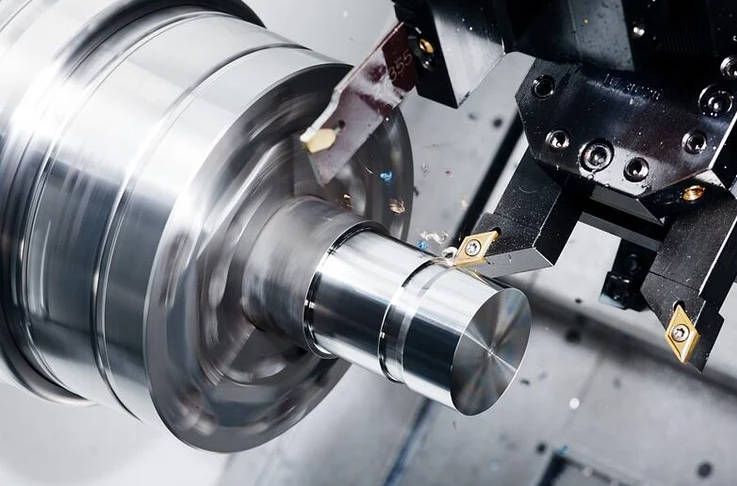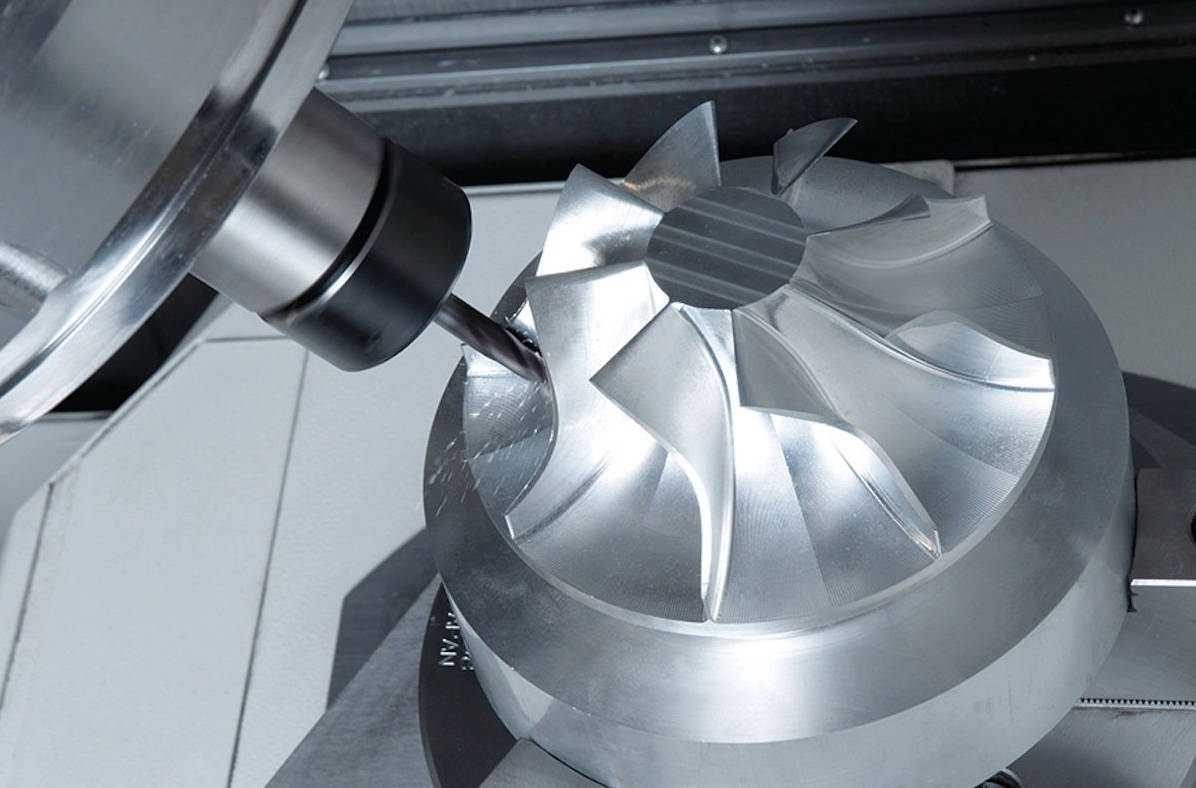
CNC machining lead time, the duration from order confirmation to part delivery, typically ranges from a few days for simple prototypes to several weeks for complex, high-volume production runs. This variability is influenced by numerous critical factors including part complexity, material choice, quantity, required tolerances, surface finish, post-processing, and the manufacturer’s current capacity. Understanding these elements is crucial for effective project planning and managing expectations in modern manufacturing.
In the fast-paced world of manufacturing, efficiency and speed are paramount. Computer Numerical Control (CNC) machining offers precision and repeatability, making it a cornerstone of modern production. However, a common question that arises for engineers, designers, and project managers is: “How long will it take to get my CNC machined parts?” The answer is rarely straightforward. This comprehensive guide will delve into the intricacies of CNC machining lead times, breaking down the factors that influence them, explaining typical timelines, and offering strategies to optimize your production schedule.
Table of Contents
- What is CNC Machining Lead Time?
- Key Factors Influencing CNC Machining Lead Time
- Typical CNC Machining Lead Time Ranges
- Strategies to Reduce and Optimize CNC Lead Time
- Conclusion: Managing CNC Lead Time Expectations
What is CNC Machining Lead Time?
CNC machining lead time refers to the total duration required to complete an order, from the moment a purchase order is placed and confirmed until the finished parts are shipped or delivered to the customer. It’s a critical metric in project management and supply chain planning, directly impacting product development cycles, market entry, and overall project costs. Understanding and accurately forecasting lead time allows businesses to set realistic schedules, manage inventory, and maintain competitive advantages.
This period encompasses every step of the manufacturing process, not just the actual machine cutting time. It includes administrative tasks, engineering reviews, material procurement, programming, machine setup, the machining operation itself, post-processing, quality inspection, packaging, and finally, shipping. Each of these stages can contribute significantly to the overall timeline, and bottlenecks in any single stage can extend the entire lead time. For designers and project managers, comprehending this holistic view is vital for effective planning and communication with manufacturing partners.
Key Factors Influencing CNC Machining Lead Time
The duration of a CNC machining project is rarely fixed. Instead, it’s a dynamic calculation influenced by a multitude of interdependent variables. Each factor can either accelerate or significantly prolong the turnaround time. Delving into these specifics helps paint a clearer picture of what to expect when requesting CNC services.
Part Complexity and Design
The geometric complexity of a part is arguably the most significant driver of lead time. Simple, prismatic parts with basic features (e.g., holes, pockets, flat surfaces) require less programming time, fewer tool changes, and shorter machining cycles. Conversely, parts with intricate geometries, thin walls, deep cavities, tight internal radii, or multi-axis features demand more sophisticated CAM programming, specialized tooling, and potentially multiple setups. Such designs increase the risk of errors, require more rigorous simulation, and inherently lengthen the time spent on the machine.
Consider a simple bracket versus a complex aerospace manifold. The bracket might be milled in a single setup, while the manifold could require 5-axis machining, multiple operations, and careful fixture design, each adding hours or days to the process. Designers should always strive for Design for Manufacturability (DFM) to streamline geometry where possible without compromising functionality, thereby reducing complexity-driven lead time increases.
Material Selection
The type of material specified for your parts has a profound impact on lead time, both in terms of procurement and machining. Common materials like aluminum 6061, mild steel, and engineering plastics (e.g., ABS, Delrin) are typically readily available from suppliers and are relatively easy to machine. This means less time waiting for raw stock and faster cutting speeds.
However, exotic or specialized materials—such as aerospace-grade titanium, high-nickel alloys (Inconel), or certain medical-grade plastics—can have significantly longer procurement lead times, sometimes weeks or even months if they are not standard stock items for the machinist. Furthermore, these tough materials are often harder to machine, requiring slower cutting speeds, specialized tools, more frequent tool changes, and more cautious machining strategies to prevent tool wear or part deformation, all of which extend the time on the machine.
| Material Type | Availability | Machinability | Typical Lead Time Impact |
|---|---|---|---|
| Aluminum Alloys (e.g., 6061) | High | Excellent | Low (Fast) |
| Mild Steels (e.g., 1018) | High | Good | Low to Medium |
| Engineering Plastics (e.g., Delrin, ABS) | High | Excellent | Low (Fast) |
| Stainless Steels (e.g., 304, 316) | Medium to High | Medium | Medium |
| Tool Steels (e.g., D2, H13) | Medium | Low | Medium to High |
| Titanium Alloys (e.g., Ti-6Al-4V) | Low | Very Low (Difficult) | High (Slow) |
| Superalloys (e.g., Inconel) | Very Low | Extremely Low (Very Difficult) | Very High (Very Slow) |
Quantity and Batch Size
The number of parts required plays a crucial role in determining the overall lead time and often the per-unit cost. For small quantities or one-off prototypes, the majority of the lead time is consumed by non-recurring engineering (NRE) costs like CAD/CAM programming, fixture design, and machine setup. The actual machining time per part might be very short, but the setup time dominates. In these cases, lead time is often driven by shop scheduling and setup availability.
As the quantity increases, the setup time becomes amortized over more units, and the machine run time becomes the dominant factor. While higher quantities naturally take longer to physically produce, the per-part lead time often decreases due to economies of scale. Manufacturers can optimize tool paths, batch parts, and achieve more continuous production. However, very large orders can strain a shop’s capacity, potentially leading to longer queues and extended overall timelines if not properly coordinated.
Tolerances and Surface Finish
Tighter geometric tolerances and finer surface finish requirements significantly extend machining lead times. Standard tolerances (e.g., +/- 0.005 inches or +/- 0.127 mm) can often be achieved with conventional machining passes. However, demanding tolerances (e.g., +/- 0.0005 inches or +/- 0.0127 mm) necessitate more precise machining strategies, slower feed rates, lighter cuts, and potentially additional finishing passes, such as grinding or lapping. This not only increases machine time but also demands more meticulous programming and more frequent in-process measurements.
Similarly, the desired surface finish (e.g., Ra values) directly dictates the machining approach. A rough finish can be achieved quickly with aggressive cuts. A mirror-like finish, however, requires multiple fine passes, specialized tooling, and potentially manual polishing or other finishing operations, each adding to the production schedule. Over-specifying tolerances or surface finishes that are not functionally necessary is a common pitfall that needlessly inflates lead time and cost.
Post-Processing and Finishing
Beyond the raw machining process, many parts require additional treatments or finishing operations. These can include heat treatment (e.g., hardening, annealing), anodizing, powder coating, plating (e.g., nickel, chrome), passivation, deburring, polishing, or assembly. Each of these steps is often performed by third-party specialists, adding not only their processing time but also transportation time to and from these vendors. The lead time for these external processes can sometimes exceed the machining time itself.
For example, a part that requires heat treatment and then anodizing might spend days or even weeks in transit and at external facilities, waiting in queues, and undergoing treatment. Coordinating these external processes, ensuring quality, and managing logistics become critical components of the overall lead time calculation. Designers must specify only the necessary post-processing steps to avoid unnecessary delays.
Machine Availability and Shop Capacity
The current workload and capacity of the chosen machine shop are paramount in determining how quickly your order can begin and be completed. A busy shop with a backlog of orders will naturally have longer lead times than a shop with open capacity. Factors like the number of available CNC machines, the types of machines (3-axis vs. 5-axis), the number of skilled machinists, and the current operational schedule (e.g., single shift vs. 24/7 operation) all contribute to a shop’s overall capacity.
If your project requires a specific type of machine that is heavily booked, your lead time will be extended. Building strong relationships with manufacturing partners and understanding their typical workload can help in planning. For urgent projects, paying for “expedited” services often means your job gets prioritized and potentially shifts other projects, but this comes at a premium cost.
Programming and Setup Time
Before a single chip is cut, significant time is invested in preparing the job. This includes:
- CAD/CAM Programming: Translating the 3D design model into machine-readable G-code, optimizing tool paths, and simulating the machining process to prevent collisions or errors. Complex parts require more intricate programming, often involving multiple tools and strategies.
- Tooling and Fixture Procurement/Design: Ensuring the correct cutting tools are available or ordering special ones. Designing and fabricating custom fixtures to hold the part securely during machining, especially for complex geometries or multi-sided operations.
- Machine Setup: Loading the program, mounting the raw material, setting up fixtures, installing tools, and performing initial dry runs or first-part inspections. This is a crucial step that ensures accuracy and safety.
For one-off or small batch runs, this pre-machining time can constitute the largest portion of the total lead time. As quantities increase, this initial investment is spread across more parts, reducing its per-unit impact but remaining a significant upfront time commitment.
Quality Control and Inspection
Ensuring that machined parts meet specified requirements is a critical, but time-consuming, step. Quality control (QC) involves various inspection processes, from basic dimensional checks to sophisticated CMM (Coordinate Measuring Machine) inspections for complex geometries and tight tolerances. The stringency of QC depends on the part’s function and industry standards (e.g., aerospace and medical parts have much more rigorous inspection requirements).
More detailed inspection protocols, such as first article inspection (FAI), in-process checks, and final inspection, add directly to the lead time. If parts fail inspection, rework or remanufacturing will be necessary, which can introduce substantial delays. Effective communication of quality requirements upfront can help optimize this stage.
Shipping and Logistics
The journey of the finished parts from the manufacturing facility to your doorstep is the final component of lead time. Shipping methods vary widely in speed and cost, from standard ground shipping (which can take several days to a week or more) to expedited air freight (which can deliver overnight). The geographical distance between the manufacturer and the customer also plays a significant role.
Moreover, customs procedures for international shipments can introduce unpredictable delays, sometimes lasting days or even weeks if documentation is incomplete or issues arise. Factoring in these logistical aspects is crucial for setting realistic delivery expectations, especially for time-sensitive projects.
Communication and Clarity
While often overlooked as a “hard” factor, the clarity and completeness of communication between the client and the manufacturer significantly impact lead time. Vague or incomplete CAD models, ambiguous tolerance callouts, missing material specifications, or unclear post-processing instructions will inevitably lead to requests for clarification, engineering queries, and delays as the manufacturer seeks to understand the true requirements. Each back-and-forth communication adds hours or days to the overall timeline.
Providing a comprehensive data package upfront – including 3D models, 2D drawings with critical dimensions, material certifications, and all relevant specifications – minimizes these iterative communications and allows the manufacturer to quote and proceed with confidence and efficiency.
Typical CNC Machining Lead Time Ranges
While a definitive answer to “how long” is elusive, we can establish general ranges based on project type and scope. It’s important to remember these are estimates and can vary significantly between manufacturers and based on the factors discussed above.
Prototyping and Low-Volume
For single-part prototypes or small batches (typically 1-10 units), lead times are often the shortest for the actual machining time, but the setup and programming time dominate. Many rapid prototyping services specialize in quick turnarounds:
- Fast Turnaround: 3-7 business days
- Standard: 1-2 weeks
This category prioritizes speed over per-unit cost efficiency. The parts are usually simpler, made from common materials, and may have less stringent surface finish or tolerance requirements.
Medium-Volume Production
Medium-volume runs (typically 10-1000 units) balance efficiency with scale. The lead time here factors in more significant raw material procurement, optimized machining strategies, and more comprehensive quality checks. Setup time becomes less impactful per unit, but the total machine time increases.
- Typical: 2-4 weeks
- Complex parts or specialized materials: 4-6 weeks or more
These projects often involve more intricate geometries, tighter tolerances, and specific post-processing steps, all contributing to a longer, more structured timeline.
High-Volume Production
For high-volume orders (thousands of units or more), lead times can extend considerably. These projects require meticulous planning, often involving long-term material contracts, dedicated production lines, and significant quality assurance protocols. While per-part manufacturing is highly optimized, the sheer volume necessitates longer overall timelines.
- Typical: 6-12 weeks or more
- Very complex parts, international supply chains: Several months
Strategic partnerships, forecasting, and just-in-time (JIT) delivery systems become crucial for managing these extensive lead times effectively.
Expedited Services / Quick Turnaround
Many CNC machine shops offer expedited services for urgent projects. This typically means your job is prioritized, potentially running overtime shifts, or even bumping other projects in the queue. While extremely fast, these services come at a significant premium, often 50-100% or more above standard rates.
- Ultra-Fast: 1-3 business days (for very simple parts, common materials, small quantities)
- Expedited: 5-10 business days
These services are invaluable for critical prototypes, emergency repairs, or immediate market needs, but should be used judiciously due to the increased cost.
Strategies to Reduce and Optimize CNC Lead Time
While many factors are inherent to the manufacturing process, proactive measures can significantly reduce and optimize CNC machining lead times. Strategic planning and effective communication are key to streamlining your project schedule.
Design for Manufacturability (DFM)
Implementing DFM principles early in the design phase is perhaps the most impactful strategy. By designing parts with the manufacturing process in mind, you can:
- Simplify Geometry: Reduce complex features, deep pockets, or thin walls that require specialized tools or multiple setups.
- Standardize Features: Use standard drill sizes, radii, and threads where possible to avoid custom tooling.
- Specify Realistic Tolerances: Only apply tight tolerances to critical features, allowing for looser, faster machining on non-critical areas.
- Optimize Material Use: Design parts that can be machined from readily available stock sizes, minimizing material waste and special orders.
A DFM review with your manufacturing partner can identify potential bottlenecks and suggest design modifications that save significant time and cost down the line.
Clear and Complete Specifications
Ambiguity is the enemy of efficiency. Providing a comprehensive and unambiguous data package upfront prevents delays caused by clarifying questions. Ensure your submission includes:
- Accurate 3D CAD Models: In a commonly accepted format (e.g., STEP, SolidWorks).
- Detailed 2D Drawings: With all critical dimensions, tolerances, material callouts, and GD&T (Geometric Dimensioning and Tolerancing) as needed.
- Material Specifications: Including grade, temper, and any relevant certifications.
- Surface Finish Requirements: Clearly stated (e.g., Ra value, aesthetic vs. functional).
- Post-Processing Instructions: Anodizing, heat treatment, plating, etc., with any relevant standards.
- Quantity and Delivery Schedule.
The more information provided, the less time the manufacturer spends seeking clarification, and the faster they can provide an accurate quote and begin production.
Material Availability / Pre-Ordering
If your project uses an unusual or specialized material with a known long lead time, consider pre-ordering the raw stock. Collaborating with your manufacturer to source and secure the material in advance can dramatically cut down the overall project timeline, ensuring that machining can commence as soon as your design is finalized.
For recurring orders, establishing a standing order with your supplier or ensuring your manufacturer maintains a certain stock level for your specific materials can also be an effective strategy.
Partner with the Right Manufacturer
Choosing a reputable and capable CNC machining partner is paramount. Look for a manufacturer that:
- Specializes in your part type: Some shops excel at prototyping, others at high-volume, and some in specific materials or industries.
- Has robust quality control: Reduces rework and rejects.
- Employs advanced technology: Modern machines, automation, and software can significantly speed up processes.
- Communicates effectively: A transparent and responsive partner can keep you informed and address issues proactively.
- Offers DFM services: A manufacturer willing to provide input on your design can identify optimizations early.
Building a long-term relationship with a trusted supplier can lead to preferred scheduling and better service.
Leverage Digital Manufacturing Platforms
Online manufacturing platforms (e.g., Xometry, Protolabs) can offer significantly reduced lead times, especially for prototypes and low-volume production. These platforms streamline the quoting process, often providing instant quotes, and have vast networks of machine shops that can quickly pick up available work. Their automated systems optimize scheduling and resource allocation, enabling faster turnarounds for suitable projects.
However, for highly specialized parts, extremely tight tolerances, or complex projects requiring deep engineering collaboration, a direct relationship with a dedicated shop might still be preferable.
Consider Alternative Processes
While this article focuses on CNC machining, sometimes the quickest path isn’t CNC at all. For certain geometries or materials, additive manufacturing (3D printing), laser cutting, or sheet metal fabrication might offer faster lead times, particularly for prototypes or low-stress components. Explore if a hybrid approach, or a completely different manufacturing method, could meet your needs more quickly before committing solely to CNC machining.
Plan Ahead and Forecast
The most basic, yet often overlooked, strategy is simply to plan further in advance. If you have a clear production roadmap, sharing forecasts with your manufacturing partner allows them to anticipate your needs, secure materials, and allocate machine time more efficiently. This proactive approach can secure better pricing and more reliable lead times, especially for recurring orders or significant production runs.
Conclusion: Managing CNC Lead Time Expectations
Understanding “how long does CNC machining take” is not about finding a single number, but rather comprehending the multifaceted nature of the manufacturing process. From the initial design and material selection to the final shipping and logistics, every stage contributes to the overall lead time. By actively engaging with DFM principles, providing clear specifications, partnering with capable manufacturers, and planning ahead, you can significantly influence and optimize your CNC machining lead times.
Effective management of lead times is not just about speed; it’s about predictable delivery, controlled costs, and ultimately, a more efficient product development cycle. By mastering these variables, you can transform a seemingly complex challenge into a strategic advantage, ensuring your projects stay on track and your products reach the market when intended.
CNC machining lead time, how long does CNC machining take, factors affecting CNC machining lead time, reduce CNC lead time, typical CNC machining lead times, expedited CNC machining, CNC prototyping lead time, production CNC lead time, CNC part turnaround time, CNC manufacturing schedule, turnaround time, production schedule, delivery time, manufacturing duration, fabrication timeline, Design for Manufacturability (DFM), material availability, machine capacity, post-processing, quality control, shipping logistics.