
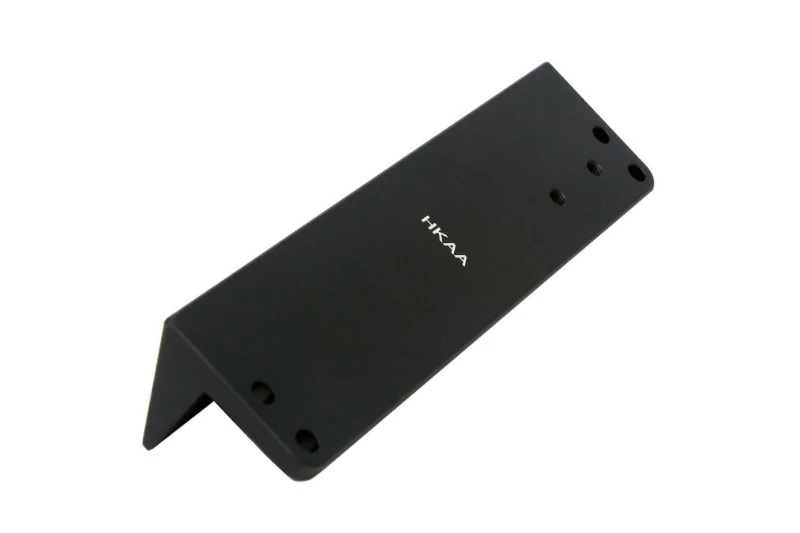
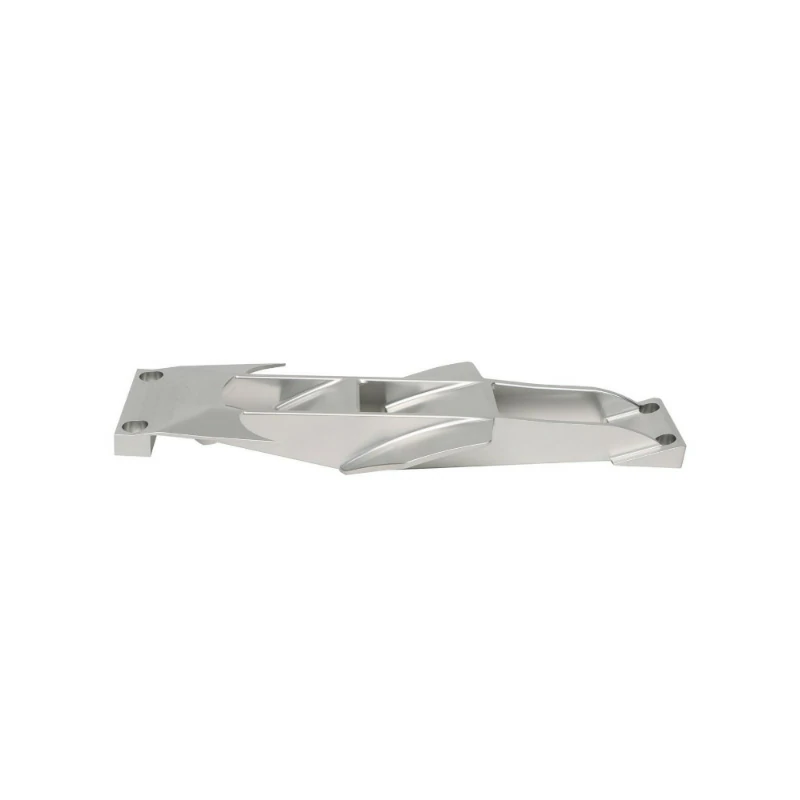
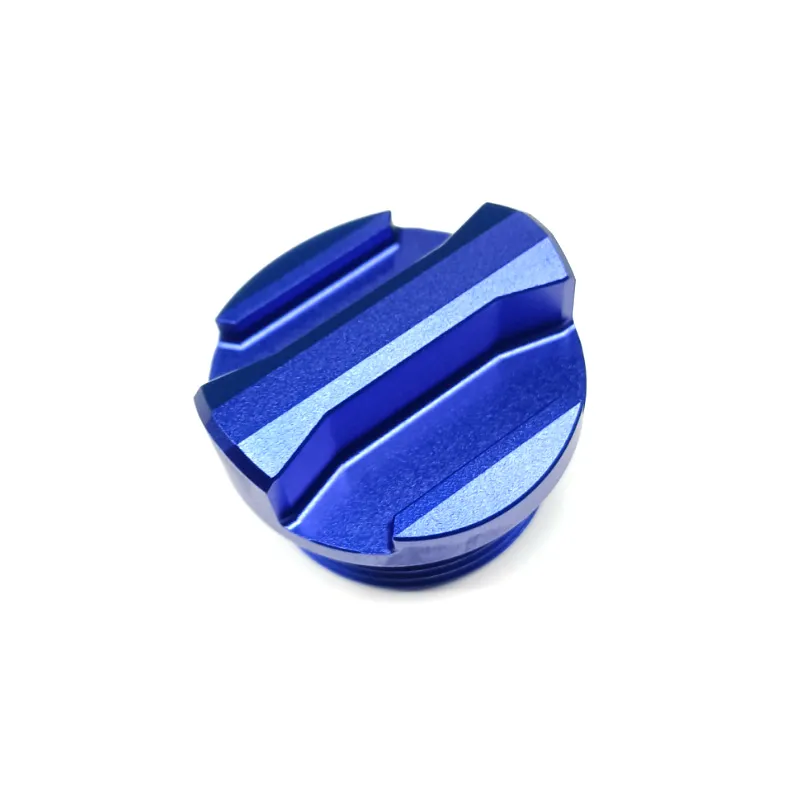
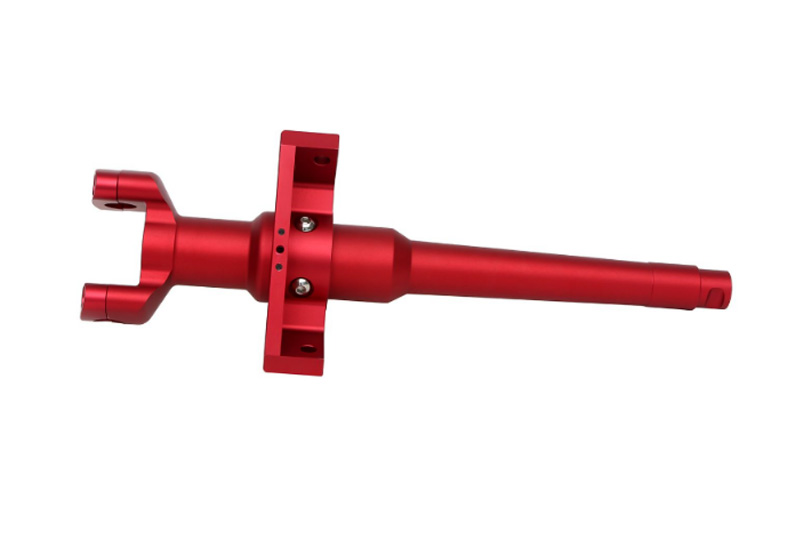
Precision CNC Prototype Solutions

HKAA Industrial:Precision Prototypes,Production Ready.

Go from concept to functional, high-fidelity parts in days. Our 3/5-axis CNC machining ensures the “tightest tolerances” and “superior surface finishes”using real production materials.

What is CNC Prototype Service?

CNC Prototype Service refers to the use of computer numerical control (CNC) machine tools to quickly produce prototypes that are highly consistent with the final product size, shape, and function based on the 3D model or drawing provided by the customer. This service plays an important role in the early stages of product development and can help designers and engineers verify product design, evaluate product performance, and conduct functional testing.

Advantages of CNC Prototype Service

Rapid prototyping: CNC machining can quickly transform designs into physical objects and shorten product development cycles.

High precision: CNC machining has high precision and can produce prototypes with precise dimensions and smooth surfaces.

Material diversity: CNC machining can process a variety of materials, including metals, plastics, composite materials, etc., to meet the needs of different products.

Complex structure: CNC machining can process parts with complex shapes to meet personalized customization needs.

Repeatability: CNC machining can mass-produce the same prototypes, which is convenient for comparative testing.

Cost-effectiveness: Compared with traditional manual production, CNC machining is cheaper and more efficient.

Application of CNC Prototype Service

Product Design Verification: In the early stage of product design, by making prototype parts, it is possible to verify whether the appearance, size, and function of the product meet the design requirements.

Functional Testing: Through prototype parts, product performance tests can be carried out, such as strength testing, wear resistance testing, etc.

Mold Manufacturing: CNC processing can quickly manufacture molds for small batch production or trial production.

Concept Verification: Transform ideas into physical objects to verify the feasibility of products.

Market Research: Collect user feedback and optimize product design by displaying prototype parts.

Our CNC Prototype Service

Material Selection: Provide a variety of material options to meet the needs of different products.

Precision Control: Use high-precision CNC equipment to ensure the dimensional accuracy of prototype parts.

Surface Treatment: Provide a variety of surface treatment processes, such as sandblasting, electroplating, oxidation, etc., to improve the appearance and performance of prototype parts.

Fast Delivery: Shorten the delivery cycle by optimizing the production process.

Confidentiality: Strictly protect the customer’s design information and ensure the security of intellectual property rights.

HKAA provides CNC Prototype processing service advantages

CNC Machining offers benefits unmatched by 3D printing for critical functional testing and design validation.

True Functional Testing

Validate form, fit, and “function” using the exact material and mechanical properties intended for final production. No compromises.

Industry-Leading Tolerances

Achieve tight tolerances down to pm 0.02mm. Essential for high-precision components, complex assemblies, and critical mating surfaces.

Full Turnkey Service

Get a true production-grade surface finish (low Ra value) directly from the machine, significantly reducing post-processing time and cost.

HKAA Industrial offers production-grade material options

Our extensive inventory and 3/5-axis capabilities allow us to machine prototypes from a vast range of engineering materials.

Metals for Durability & Strength

Plastics for Form, Fit & Function

CNC Prototype surface treatment process provided by HKAA Industrial

We provide the cosmetic and protective finishes necessary to transition your prototype seamlessly into production.

Anodizing (Type II & III)

Type II (Color): Aesthetic finish, increased corrosion resistance.
Type III (Hardcoat): Superior abrasion resistance and durability.

Powder Coating / Painting

Durable, thick polymer finish or precision liquid painting for custom color matching (RAL/Pantone) and excellent protection.

Surface Texturing (Ra)

Bead Blasting: Achieve a uniform matte or satin texture.
Polishing: High-gloss aesthetic finishes for clear or display parts.

Plating (Nickel, Chrome, Gold)

Enhance specific functional needs, including electrical conductivity, lubricity, or superior corrosion resistance.

Thread Inserts & Assembly

Installation of critical components like helicoils, self-tapping inserts, and light assembly for ready-to-use parts.

Heat Treatment

Altering the mechanical properties of metals (e.g., hardening, stress relief) to meet final specification requirements.

Trusted by High-Compliance Industries

Our specialized knowledge and certifications allow us to serve critical sectors where quality is paramount.

Aerospace & Defense

High-tolerance, lightweight parts using aluminum, titanium, and specialized plastics for rigorous testing.

Medical Devices

Precision components requiring biocompatible materials, strict surface finishes, and traceability.

Automotive & Motorsports

Durable, heat-resistant components for engine bays, chassis, and performance validation.

Consumer Electronics

Aesthetic enclosures, internal frames, and precise components for fit and finish validation.
CNC Prototype Service FAQ

What is the difference between CNC Prototype Service and 3D Printing?

CNC machining has higher precision and better surface quality, and is suitable for making parts with complex structures. 3D printing is suitable for making parts with complex shapes, but the precision is relatively low.

What information do you need to provide for CNC prototyping?

Generally, you need to provide a 3D model (such as STEP, IGES format) or a detailed drawing.

How long is the CNC prototyping cycle?

The production cycle depends on the complexity of the part, the material selection and the quantity, which is generally a few days to a few weeks.

How to calculate the cost of CNC prototyping?

The cost mainly depends on factors such as materials, processing time, and post-processing.

Get Your Parts Into Production Today!

Get a Free Quote