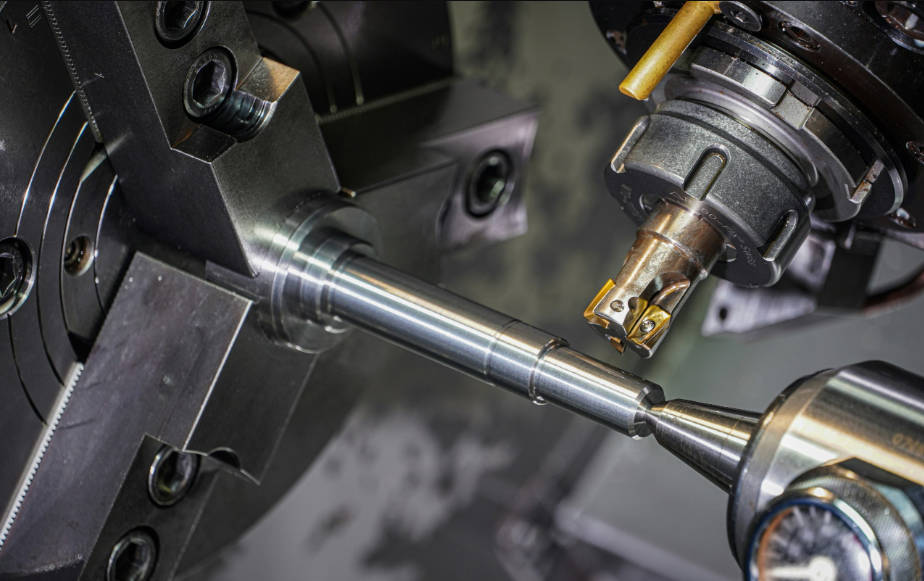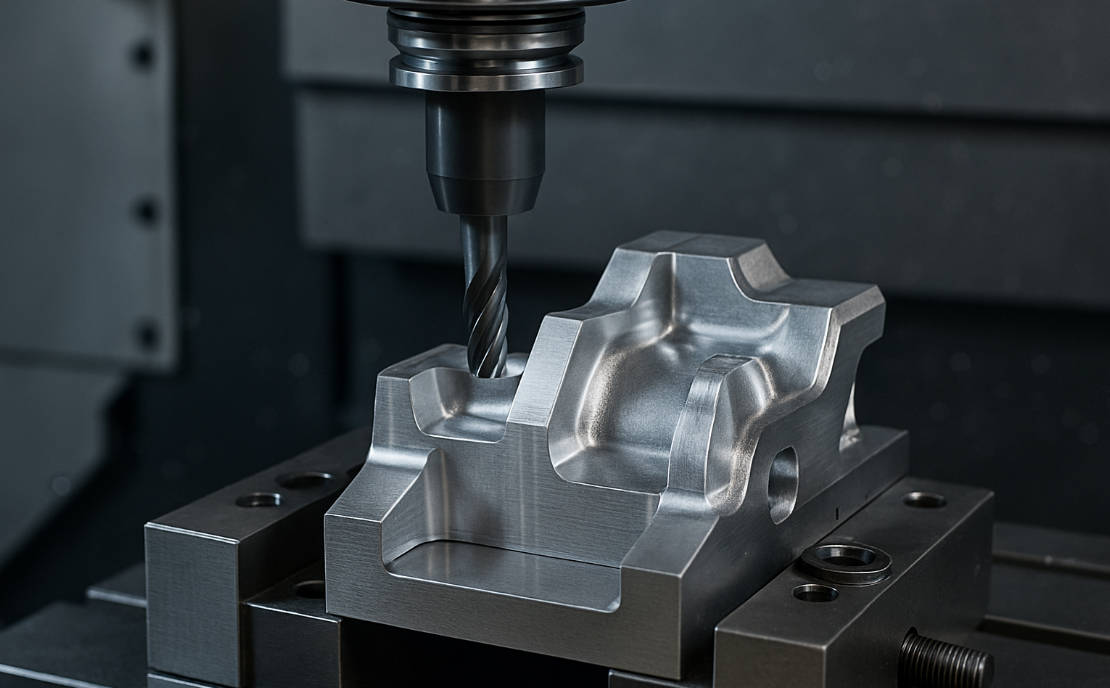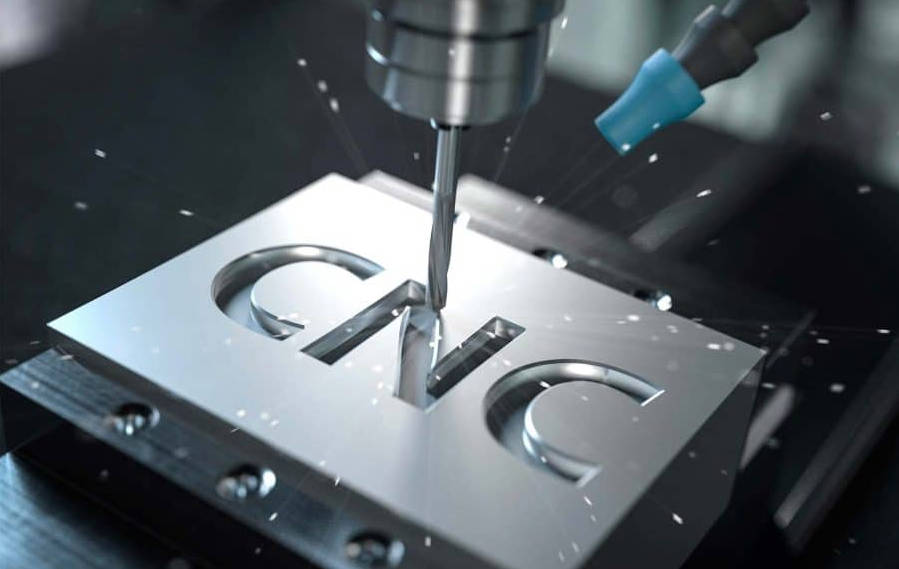
CNC milling for plastics is a subtractive manufacturing process that uses computer-controlled cutting tools to precisely remove material from a solid block of plastic, shaping it into a final part. This technique is highly valued for its exceptional precision, broad material compatibility, and ability to produce parts with excellent mechanical properties and superior surface finishes, making it a cornerstone for both rapid prototyping and full-scale production runs. Whether you are creating complex engineering components, functional prototypes, or custom enclosures, understanding the nuances of milling plastics is crucial for achieving optimal results.

Table of Contents
- What is CNC Milling for Plastics? A Closer Look
- Why Choose CNC Milling for Your Plastic Parts? The Key Advantages
- What Are the Limitations and Challenges of Machining Plastics?
- Which Plastics Are Best for CNC Milling? A Material Guide
- How to Master CNC Milling for Plastics: Best Practices for Flawless Results
- Applications: Where is CNC Milled Plastic Used?
- CNC Milling vs. Other Plastic Manufacturing Methods
- Conclusion: Your Partner in Precision Plastic Machining
What is CNC Milling for Plastics? A Closer Look
At its core, CNC (Computer Numerical Control) plastic milling is a precision manufacturing process that starts with a digital design file (like a CAD model) and a solid block or sheet of plastic. The digital instructions are sent to a CNC milling machine, which controls a high-speed rotating cutting tool. This tool, or end mill, systematically carves away unwanted material from the plastic block to reveal the final, precisely shaped part. It’s a *subtractive* process, meaning it creates objects by removing material, in contrast to *additive* processes like 3D printing which build objects layer by layer.
While the fundamental principles are similar to milling metal, machining plastics presents a unique set of challenges. Plastics are poor thermal conductors, meaning they don’t dissipate heat well. This can lead to melting, gumming up the tool, and a poor surface finish if not managed correctly. Therefore, the process requires specialized knowledge of appropriate cutting tools, machine settings (speeds and feeds), and cooling strategies to succeed. The key components involved are the CNC machine itself, a range of cutting tools designed for plastics, and the plastic workpiece securely held in place.
Why Choose CNC Milling for Your Plastic Parts? The Key Advantages
CNC milling is often the preferred method for creating high-quality plastic parts for several compelling reasons. It offers a unique combination of precision, material flexibility, and speed that other methods like injection molding or 3D printing can’t always match, especially for low to medium-volume production.
Unmatched Precision and Tight Tolerances
One of the most significant benefits of CNC milling is its incredible accuracy. Modern CNC machines can achieve tolerances as tight as +/- 0.001 inches (+/- 0.025 mm), ensuring that parts meet exact design specifications. This level of precision is critical for components that must fit together perfectly in an assembly, such as gears, enclosures, and medical devices. Furthermore, the process is highly *repeatable*, meaning the first part produced will be virtually identical to the hundredth, guaranteeing consistency across a production run.
Superior Material Properties and Selection
Unlike 3D printing, which is limited to specific filaments or resins, CNC milling can work with a vast array of commercially available engineering plastics in their solid, stock form. This means the final part retains the full, uncompromised mechanical, thermal, and chemical properties of the base material. You can choose plastics for their strength (Polycarbonate, PEEK), chemical resistance (HDPE), low-friction properties (Acetal/Delrin®), or optical clarity (Acrylic). This material versatility allows engineers to select the perfect plastic for their application’s specific demands without compromise.
Excellent Surface Finish
With the right tooling and techniques, CNC milling can produce plastic parts with an exceptionally smooth surface finish directly off the machine. This can eliminate the need for post-processing steps like sanding or polishing. For materials like acrylic (PMMA) and polycarbonate (PC), specialized machining techniques can even yield optically clear surfaces, which is impossible to achieve with most standard 3D printing methods. A clean finish not only improves aesthetics but can also be a functional requirement for fluid-dynamic or sealing applications.
Speed and Efficiency for Prototyping and Production
For one-off prototypes and low-to-mid-volume production runs, CNC milling is remarkably fast. There is no need to create expensive, time-consuming molds as required for injection molding. An engineer can go from a CAD model to a physical, high-fidelity part in hand within hours or days, not weeks. This rapid turnaround time accelerates product development cycles and allows for quick design iterations. As production volumes increase, CNC milling remains a cost-effective solution until the part quantities justify the high initial investment of an injection mold.
What Are the Limitations and Challenges of Machining Plastics?
Despite its many advantages, machining plastics is not without its challenges. The unique thermal and mechanical properties of polymers require a different approach than metals to avoid common pitfalls that can ruin a part or damage tooling.
The Risk of Melting and Gumming
The most common problem in plastic machining is heat. Most plastics have a low melting point and poor thermal conductivity. The friction from the cutting tool generates heat, and if it’s not removed quickly, the plastic will soften or melt. This melted plastic can then weld itself to the cutting tool (*gumming*) or re-deposit onto the part’s surface, resulting in a rough, inaccurate finish. Proper chip evacuation and cooling are paramount to prevent this.
Internal Stress and Warping
Heat generated during aggressive machining can introduce internal stresses into the plastic part. These stresses can cause the material to warp or deform, either during the machining process or even days later as the material settles. This is particularly problematic for thin-walled parts or components requiring high dimensional stability. Careful machining strategies, including roughing and finishing passes, can help mitigate this issue.
Tool Wear and Material Brittleness
While most plastics are soft, some are highly abrasive, especially composites filled with glass or carbon fibers. These materials can rapidly wear down cutting tools, leading to poor cuts and decreased accuracy. Conversely, very brittle plastics like acrylic or cast nylon are prone to chipping, cracking, or fracturing if the cutting forces are too high or the tool is not sharp enough. The right tool geometry and sharp cutting edges are essential to get a clean cut without causing damage.
Challenges with Workholding
Soft plastics like HDPE or Nylon can be easily marred or deformed by standard clamping systems like vises. Applying too much clamping pressure can crush the material or distort it, leading to inaccurate machining. A delicate balance is required to hold the workpiece securely without damaging it. This often involves using custom soft jaws, wider clamping surfaces to distribute pressure, or vacuum table systems for sheet stock.
Which Plastics Are Best for CNC Milling? A Material Guide
The choice of plastic is one of the most critical decisions in a project. The material dictates the final part’s properties, performance, and machinability. Below is a table and breakdown of some of the most commonly milled plastics.
| Material | Key Properties | Common Applications | Machinability Notes |
|---|---|---|---|
| ABS | Good impact resistance, stiffness, low cost | Enclosures, prototypes, consumer products | Easy to machine but can be gummy. Requires sharp tools. |
| Polycarbonate (PC) | Excellent impact strength, temperature resistance, transparent | Machine guards, face shields, electronic housings | Tough but machinable. Prone to stress cracking with certain coolants. |
| Acrylic (PMMA) | High optical clarity, rigid, scratch-resistant | Light pipes, displays, manifolds, aesthetic parts | Brittle, can chip easily. Requires specific tooling (O-flute) for a clear finish. |
| Acetal (Delrin®) | High stiffness, low friction, excellent dimensional stability | Gears, bearings, bushings, precision components | One of the best plastics for machining. Produces clean chips. |
| Nylon (PA) | Good toughness, wear resistance, chemical resistance | Wear pads, rollers, structural components | Can be abrasive (especially glass-filled). Absorbs moisture, which can affect stability. |
| PEEK | Excellent mechanical strength, high-temperature and chemical resistance | Medical implants, aerospace parts, semiconductor components | Tough and abrasive. Requires sharp, durable tooling and controlled parameters. |
| HDPE | Low cost, chemical resistant, low friction | Cutting boards, tank linings, wear strips | Very soft and gummy. Tends to produce stringy chips. Sharp tools are essential. |
General-Purpose Plastics (ABS, HDPE)
Materials like ABS and HDPE are workhorses for general prototyping and non-critical applications. They are cost-effective and relatively easy to machine, though their softness can lead to gummy chips that require careful management. They offer a good balance of properties for a wide range of uses.
High-Strength Engineering Plastics (PC, Nylon, Acetal)
This category includes materials that offer superior mechanical performance. Acetal (Delrin®) is often considered the most machinable plastic due to its stiffness and stability. Polycarbonate offers incredible impact strength, while Nylon provides excellent wear resistance. These materials are chosen when functional performance and durability are paramount.
High-Performance and Specialty Plastics (PEEK, Ultem)
For the most demanding applications involving extreme temperatures, harsh chemicals, or high mechanical loads, materials like PEEK and Ultem are used. They are significantly more expensive and challenging to machine due to their toughness and abrasiveness, requiring robust tooling and optimized machine parameters.
Transparent Plastics for Optical Applications (Acrylic, Polycarbonate)
When clarity is required, Acrylic (PMMA) and Polycarbonate (PC) are the top choices. Machining these to achieve an optical finish is an art form. It requires specialized, highly sharp tools (like single O-flute end mills), high spindle speeds, and often a final polishing or vapor-polishing step to achieve true transparency.
How to Master CNC Milling for Plastics: Best Practices for Flawless Results
Successfully machining plastic relies on a combination of the right tools, the right settings, and the right techniques. Following these best practices will help you avoid common issues like melting, chipping, and poor surface finish.
Tip #1: Select the Right Cutting Tools
Tool selection is arguably the most critical factor. Unlike metals, where brute force can work, plastics require finesse.
- Flute Count: For most plastics, use tools with *fewer flutes*. Single-flute (O-flute) or two-flute end mills are ideal. This provides maximum space for large chips to be evacuated quickly, preventing heat buildup and melting.
- Tool Material: High-Speed Steel (HSS) is often sufficient, but for abrasive, glass-filled plastics, solid Carbide tools offer much longer life. Uncoated tools are generally preferred as some coatings can increase friction and heat.
- Tool Geometry: The tool must be *extremely sharp*. A dull tool will rub and push the material rather than shearing it, instantly generating excessive heat. Tools specifically designed for plastics often have a steeper helix angle and polished flutes to aid in chip removal.
Tip #2: Optimize Your Speeds and Feeds
Finding the sweet spot for spindle speed (RPM) and feed rate (the speed at which the tool moves through the material) is crucial. The general rule for plastics is to **run a high spindle speed and a fast feed rate.** The goal is to create a distinct chip and move the tool away from the cut before significant heat can transfer into the workpiece. If your feed rate is too slow, the tool will dwell in one spot, rubbing the material and causing it to melt. Always start with the tool manufacturer’s recommendations and adjust based on the chip formation and surface finish.
Tip #3: Manage Heat with Effective Cooling
Since plastics insulate heat, you need an external method to remove it from the cutting zone.
- Compressed Air Blast: This is the most common and effective method. A strong, continuous jet of air cools the tool and workpiece while simultaneously blowing chips out of the way.
- Liquid Coolant/Mist: While common in metal machining, liquid coolants should be used with caution on plastics. Some plastics, like polycarbonate and acrylic, can experience “stress crazing” (the formation of tiny cracks) when exposed to certain machining fluids. If used, ensure the coolant is plastic-safe.
- Peck Drilling: When drilling deep holes, use a “peck drilling” cycle. This involves drilling a short distance, retracting the drill to clear chips and allow cooling, and then repeating until the final depth is reached.
Tip #4: Perfect Your Workholding and Clamping Strategy
Secure the plastic workpiece without damaging it. Use soft jaws made from aluminum or another plastic to cushion the part from hard vise jaws. It’s also wise to distribute the clamping force over a larger area to prevent distortion. For thin sheets of plastic, a vacuum table is an excellent solution that provides even, secure holding force across the entire surface without clamps.
Tip #5: Master Chip Evacuation
Never allow chips to build up in or around the cut. Recutting chips generates a massive amount of heat and will almost certainly cause melting. This is where tool selection (fewer flutes) and cooling (air blast) work together. Ensure your air blast is aimed directly at the cutting point to clear chips as they are formed. For deep pockets or slots, consider toolpaths that help pull chips out of the machined area.
Applications: Where is CNC Milled Plastic Used?
The precision and material versatility of CNC plastic milling make it indispensable across numerous industries. Common applications include:
- Rapid Prototyping: Creating high-fidelity, functional prototypes from production-grade materials for testing and validation.
- Medical Devices: Machining biocompatible materials like PEEK and Ultem for surgical instruments, trial implants, and diagnostic equipment housings.
- Aerospace & Automotive: Manufacturing lightweight, high-strength components, interior panels, jigs, and fixtures from materials like PC and Nylon.
- Consumer Electronics: Creating custom enclosures, light pipes, and internal mounting brackets with a high-quality finish.
- Jigs and Fixtures: Building custom manufacturing aids from durable and low-friction materials like Delrin® to improve assembly line efficiency.
CNC Milling vs. Other Plastic Manufacturing Methods
Understanding how CNC milling compares to other popular methods helps in choosing the right technology for your project.
| Feature | CNC Milling | 3D Printing (FDM/SLA) | Injection Molding |
|---|---|---|---|
| Cost per Part | Medium (low-vol) to High (high-vol) | Low (low-vol) to High (high-vol) | Very High (low-vol) to Very Low (high-vol) |
| Speed | Fast (for 1-1000 parts) | Slow to Medium (per part) | Very slow setup, then extremely fast (seconds per part) |
| Material Properties | Excellent (isotropic, full strength) | Good to Fair (anisotropic, layer lines can be weak points) | Excellent (isotropic, homogenous) |
| Precision | Very High | Low to Medium | High (but subject to shrinkage) |
| Design Complexity | Limited by tool access (undercuts are challenging) | Nearly unlimited (internal channels, complex geometries) | Limited by moldability (draft angles, uniform walls) |
Conclusion: Your Partner in Precision Plastic Machining
CNC milling for plastics is a powerful and versatile manufacturing technology that offers unparalleled precision, superior material properties, and excellent surface finishes. While it presents unique challenges related to heat management and material behavior, these can be overcome by adhering to best practices in tooling, machine parameters, and cooling. By understanding the core advantages and limitations, and by selecting the right material for the job, you can leverage CNC milling to produce high-quality plastic parts for nearly any application, from initial concept prototype to end-use production component.
CNC milling plastics, plastic CNC machining, CNC plastic parts, best plastics for CNC milling, how to prevent plastic from melting during CNC, CNC milling acrylic vs polycarbonate, advantages of CNC machining plastic parts, CNC milling for plastic prototypes, plastic fabrication, feeds and speeds for plastic, plastic material selection, CNC milling advantages, precision plastic machining