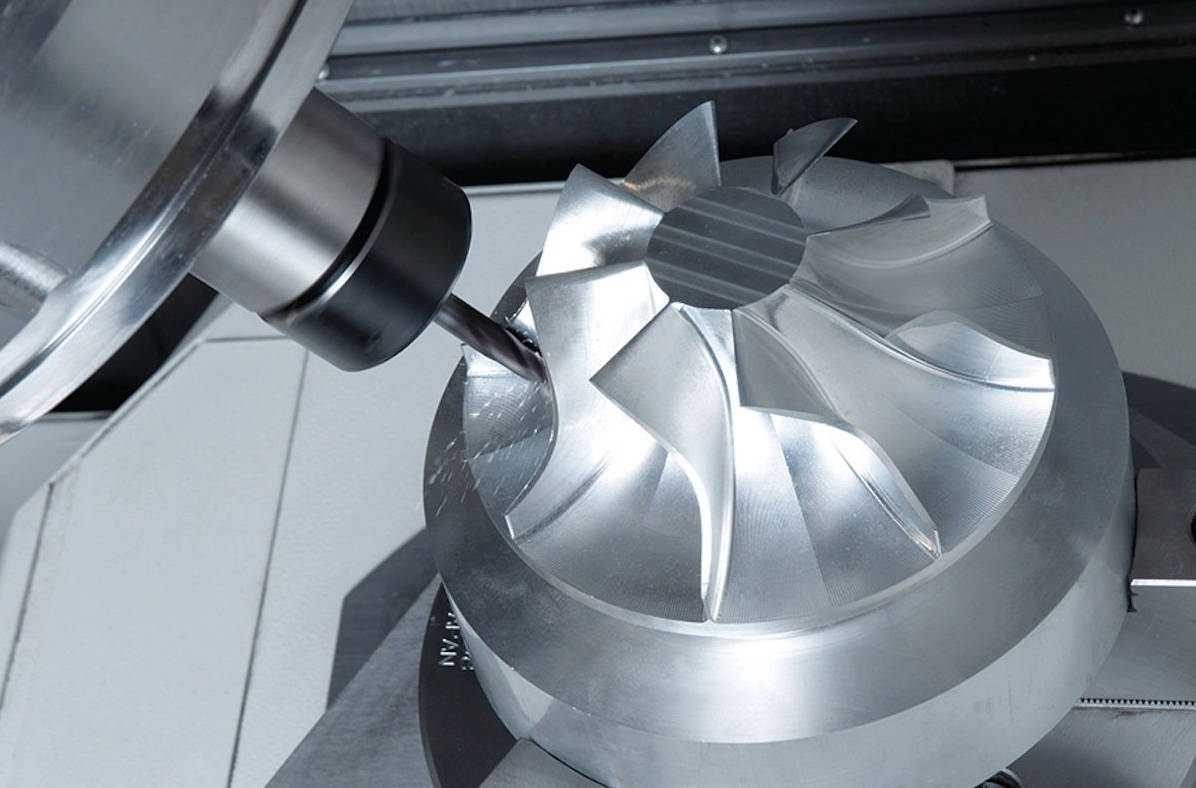
The cost of a CNC machined part is a multifaceted calculation, primarily driven by the interplay of material costs, machining time, setup costs, tooling, post-processing, and overheads. Understanding these intricate components is crucial for both manufacturers and customers to accurately estimate and budget for production. This comprehensive guide delves into each factor, providing clarity on how CNC machining prices per part are determined, ensuring transparency and informed decision-making in the manufacturing process.
CNC machining is a highly precise and versatile manufacturing process, but its cost can vary significantly depending on numerous variables. Whether you’re a product designer seeking manufacturing quotes or a machine shop owner refining your pricing strategy, a deep dive into the underlying calculations is indispensable. This article will unravel the complexities, offering insights into optimizing costs and understanding value.
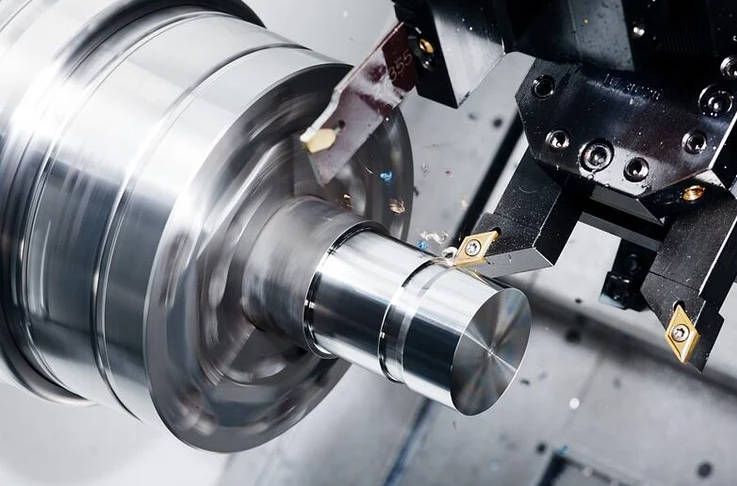
Table of Contents
- Understanding CNC Machining Costs: Why is it Complex?
- Core Components of CNC Part Cost: The Fundamental Building Blocks
- Overhead and Profit Margins: Sustaining the Business
- Design and Part-Specific Factors Influencing Price
- Optimizing CNC Machining Costs: Strategies for Efficiency
- How to Get an Accurate CNC Machining Quote
- Conclusion: Mastering CNC Machining Cost Calculation
Understanding CNC Machining Costs: Why is it Complex?
Calculating the price per part for CNC machining is far from a simple multiplication. It involves a sophisticated interplay of fixed and variable costs, technical specifications, and market dynamics. The complexity arises because each part is unique, requiring specific materials, machining strategies, and post-processing steps. Furthermore, the operational efficiency and overhead structure of individual machine shops can significantly influence the final quote.
Factors like machine type (3-axis, 5-axis), software used, operator skill, and even the geographic location of the shop can subtly yet profoundly impact the cost structure. A seemingly minor design feature or a tight tolerance requirement can necessitate specialized tooling, longer machining times, or additional inspection, all contributing to a higher price. Therefore, a holistic understanding is essential to demystify the pricing process and foster productive collaboration between clients and manufacturers.
Core Components of CNC Part Cost: The Fundamental Building Blocks
At its heart, the cost of a CNC machined part is built upon several foundational elements. These core components represent the direct expenses incurred in transforming raw material into a finished product. Each factor needs to be meticulously calculated and accounted for to arrive at a realistic and competitive price. Ignoring any one of these can lead to inaccurate quotes and potential financial losses.
Understanding these primary drivers allows for more informed decision-making during the design phase and when sourcing manufacturing services. Optimizing these components through smart design and efficient manufacturing practices is key to achieving cost-effective production without compromising quality.
Material Costs: The Foundation of Every Part
The type, quantity, and form of raw material used are often the most significant contributors to the overall cost of a CNC machined part. Materials range from common plastics like ABS and Delrin to high-performance metals such as titanium, stainless steel, and specialized alloys, each with vastly different price points and machinability characteristics. The cost isn’t just about the raw block; it includes considerations for material waste during machining.
Factors influencing material costs:
- Material Type: High-performance alloys (e.g., Inconel, medical-grade titanium) are inherently more expensive than standard aluminum or steel.
- Quantity: Bulk purchasing often yields lower per-unit material costs.
- Form: Bar stock, plate, or custom-extruded profiles each have different pricing structures. Using material closer to the net shape can reduce waste and thus cost.
- Scrap Rate: Complex geometries or materials requiring significant stock removal will generate more waste, which needs to be factored in.
Choosing the right material involves a trade-off between functional requirements, performance, and cost. While a cheaper material might seem appealing, if it compromises part integrity or requires more complex machining, the overall cost savings might be negligible or even negative.
Machining Time: The Heart of the Operation
Machining time, often referred to as “spindle time” or “cycle time,” represents the duration the CNC machine is actively cutting the material. This is a critical factor because it directly correlates with machine usage, power consumption, and operator oversight during the cutting process. Longer machining times translate directly to higher costs.
Elements dictating machining time:
- Part Complexity: Intricate designs with many features, small internal radii, or thin walls require more tool changes, slower feed rates, and multiple passes, extending machining time.
- Material Machinability: Harder, tougher, or gummy materials (e.g., titanium, stainless steel, certain plastics) require slower cutting speeds and lower feed rates to prevent tool wear and ensure a good surface finish, leading to longer cycles.
- Tolerances and Surface Finish: Tighter tolerances and smoother surface finishes necessitate more precise machining passes, potentially multiple finishing operations, and slower cutting parameters, increasing the time spent on the machine.
- Tooling Strategy: The choice of cutting tools, tool paths, and machining strategies (e.g., roughing vs. finishing passes) significantly impacts the efficiency and speed of material removal.
- Machine Type: Advanced machines (e.g., 5-axis CNC) can sometimes reduce overall machining time by allowing more features to be machined in a single setup, minimizing repositioning.
Optimizing tool paths, using efficient cutting strategies, and selecting the right machine are all ways to minimize machining time without sacrificing part quality.
Setup Costs: Initial Investment for Production
Setup costs are the expenses incurred before the first part can even be machined. These are largely independent of the number of parts produced and are therefore typically amortized over the entire batch. For small batches, setup costs can be a significant portion of the per-part price.
What constitutes setup costs?
- Machine Programming (CAM): Translating the CAD model into machine-readable G-code, optimizing tool paths, and simulating the machining process. This can be time-consuming for complex parts.
- Fixture Design and Fabrication: Creating custom jigs or fixtures to hold the part securely in place during machining, especially for oddly shaped or multi-sided parts.
- Tool Loading and Calibration: Installing the necessary cutting tools into the machine’s tool changer and calibrating their lengths and offsets.
- First Article Inspection: Machining the initial part and meticulously inspecting it to ensure all dimensions and specifications are met before full production begins. This validates the setup.
Setup costs highlight why larger batch sizes often lead to a lower price per part. Spreading these fixed initial expenses over more units significantly reduces their impact on the individual part’s cost.
Tooling Costs: Essential for Shaping
Cutting tools are consumable items essential for CNC machining. Their selection, cost, and lifespan directly influence the overall pricing. Different materials and features require specific types of end mills, drills, reamers, and inserts, each with varying costs and wear characteristics.
Factors in tooling costs:
- Tool Material and Coating: Carbide tools are more expensive than high-speed steel (HSS) but offer superior hardness, wear resistance, and cutting speeds. Specialized coatings (e.g., TiN, AlTiN) further enhance performance but add to the cost.
- Tool Geometry: Custom tools or highly specialized geometries for intricate features or specific materials can be significantly more expensive than standard off-the-shelf tools.
- Tool Wear and Replacement: Machining abrasive or hard materials causes tools to wear faster, requiring more frequent replacement and increasing tooling costs. Aggressive cutting parameters can also shorten tool life.
- Tool Inventory: A well-stocked tool crib requires an initial investment, and managing this inventory is part of the operational overhead that impacts pricing.
While cutting corners on tooling might seem to save money upfront, using inappropriate or worn tools can lead to poor surface finish, dimensional inaccuracies, increased machining time, and even part scrap, ultimately increasing costs.
Post-Processing and Finishing: The Final Touches
Once a part emerges from the CNC machine, it often requires additional steps to meet final specifications for appearance, functionality, or environmental resistance. These post-processing and finishing operations can significantly add to the per-part cost.
Common post-processing operations include:
- Deburring: Removing sharp edges and burrs left by the machining process. This can be done manually or through automated processes like vibratory finishing or tumbling.
- Surface Finishing: Achieving a specific aesthetic or functional surface quality. This could involve bead blasting, polishing, grinding, or shot peening.
- Heat Treatment: Altering the material’s mechanical properties (e.g., hardness, toughness) through processes like annealing, hardening, tempering, or case hardening.
- Surface Coatings and Platings: Applying protective or decorative layers like anodizing, powder coating, electroplating (e.g., nickel, chrome), or chemical conversion coatings (e.g., chromate).
- Assembly: If the machined part is one component of a larger assembly, manual or automated assembly costs may be included.
Each of these steps requires additional time, labor, specialized equipment, and potentially external vendor services, all of which contribute to the final price. The more stringent the finishing requirements, the higher the cost.
Quality Control and Inspection: Ensuring Excellence
Ensuring that every machined part meets the specified dimensions, tolerances, and surface finish is paramount. Quality control (QC) and inspection processes are non-negotiable and add to the overall cost, reflecting the commitment to delivering defect-free components.
Key aspects of QC and inspection costs:
- Inspection Equipment: Investment in precision measurement tools such as calipers, micrometers, height gauges, Coordinate Measuring Machines (CMMs), and optical comparators.
- Inspection Time: The labor involved in performing in-process checks, first-article inspections, and final inspections. Complex parts with tight tolerances require more detailed and time-consuming inspections.
- Documentation: Generating quality reports, material certifications, and compliance documentation.
- Sampling vs. 100% Inspection: The extent of inspection required (e.g., inspecting every 10th part versus every single part) directly impacts cost. Medical or aerospace components often demand 100% inspection.
While often seen as an “added cost,” robust QC prevents costly rework, scrap, and potential warranty claims, ultimately saving money and protecting reputation in the long run.
Overhead and Profit Margins: Sustaining the Business
Beyond the direct costs associated with machining a single part, every manufacturing operation incurs a range of indirect expenses necessary to keep the business running. These overhead costs, along with a reasonable profit margin, are crucial for the sustainability, growth, and innovation of a machine shop. They are amortized across all jobs and directly impact the final price per part.
Ignoring these essential business costs would lead to an unsustainable pricing model. Transparency about how these are factored in helps clients understand the value proposition of a reputable manufacturing partner.
Labor Costs: The Human Element
The expertise and skill of the machinists, programmers, and support staff are indispensable to the CNC machining process. Labor costs encompass not just wages but also benefits, training, and other related expenses. This is a significant component of overhead.
Components of labor costs:
- Skilled Machinists: Operators who load/unload parts, monitor machines, perform tool changes, and troubleshoot issues. Their experience directly impacts efficiency and quality.
- CNC Programmers: Engineers who translate CAD designs into machine code, optimize tool paths, and ensure efficient machining.
- Quality Control Technicians: Personnel dedicated to inspecting parts and ensuring adherence to specifications.
- Support Staff: Employees involved in maintenance, material handling, shipping/receiving, and administrative tasks.
- Benefits and Training: Healthcare, retirement plans, paid time off, and continuous training programs to keep skills sharp and staff updated on new technologies.
The efficiency of labor, influenced by training, experience, and effective management, directly impacts the labor hours allocated per job and thus the per-part cost.
Machine Depreciation and Maintenance: Sustaining Operations
CNC machines are significant capital investments, often costing hundreds of thousands of dollars or more. The cost of these machines must be recovered over their useful life, a process known as depreciation. Furthermore, regular maintenance is crucial to ensure their optimal performance and longevity.
Aspects of machine costs:
- Depreciation: The systematic allocation of the cost of a tangible asset over its useful economic life. This accounts for the wear and tear and obsolescence of the machinery.
- Preventive Maintenance: Routine servicing, calibration, and replacement of consumable parts (e.g., filters, lubricants) to prevent breakdowns and ensure accuracy.
- Repairs and Spare Parts: Unplanned repairs and the cost of replacement parts when machines malfunction.
- Software Licenses: Annual or perpetual licenses for CAD/CAM software, simulation tools, and machine control software.
A well-maintained machine shop with up-to-date equipment can offer better quality and efficiency, justifying these embedded costs.
Facility and Utility Costs: The Operational Environment
Every manufacturing operation requires a physical space and the resources to run it. These facility and utility costs are essential overheads that contribute to the overall pricing structure.
These include:
- Rent or Mortgage: The cost of the building space occupied by the machine shop.
- Utilities: Electricity (significant for running CNC machines, air compressors, and lighting), water, heating, and air conditioning.
- Insurance: Property insurance, liability insurance, and worker’s compensation.
- Property Taxes: Taxes levied on the land and buildings.
- Waste Management: Disposal of metal chips, cutting fluids, and other industrial waste.
These fixed costs are typically distributed across all jobs based on machine hours or total labor hours, influencing the hourly rate applied to individual parts.
Administrative and Sales Expenses: Running the Business
Beyond the direct production floor, a business needs administrative and sales functions to operate efficiently and secure new projects. These costs are also part of the overhead that must be covered by the pricing per part.
These expenses involve:
- Office Staff: Personnel for accounting, human resources, procurement, and general management.
- Sales and Marketing: Costs associated with acquiring new customers, marketing efforts, website maintenance, and client communication.
- Software and IT Infrastructure: Enterprise Resource Planning (ERP) systems, Customer Relationship Management (CRM) software, and general IT support.
- Legal and Professional Services: Fees for legal counsel, accountants, and other professional consultants.
These costs ensure the smooth functioning of the entire business ecosystem, allowing the machine shop to remain competitive and responsive to client needs.
Profit Margin: The Business Imperative
After all direct and indirect costs are accounted for, a profit margin is added to ensure the business remains financially viable. Profit isn’t merely an arbitrary markup; it’s essential for reinvestment, innovation, and handling unforeseen circumstances.
The profit margin allows a company to:
- Reinvest: Purchase new, more advanced machinery; upgrade software; or expand facilities.
- Innovate: Research new processes, materials, or efficiencies.
- Build Reserves: Cushion against economic downturns, unforeseen expenses, or market fluctuations.
- Reward Stakeholders: Compensate owners and investors for their risk and capital.
The specific profit margin can vary based on market conditions, competition, industry standards, and the perceived value or specialized expertise offered by the machine shop. A healthy profit margin ensures the long-term health and growth of the business, enabling it to continue providing high-quality services.
Design and Part-Specific Factors Influencing Price
The design of the part itself plays a monumental role in determining its manufacturing cost. Every feature, tolerance, and material choice directly impacts the required machining effort and resources. Understanding these design-specific factors allows for more cost-effective product development and more accurate quoting.
By optimizing a design for manufacturability, engineers and designers can significantly reduce the overall cost without necessarily compromising functionality or performance. This proactive approach is where significant savings can often be realized.
Part Complexity and Geometry: The Design Challenge
The more intricate and complex a part’s design, the more difficult and time-consuming it is to machine, directly translating to higher costs. Complexity isn’t just about the number of features, but also their type, location, and interaction.
Elements of complexity:
- Number of Features: More holes, pockets, slots, and threads mean more tool changes and machining operations.
- Internal Features: Deep pockets, small internal radii, and blind holes require specialized tools and slower cutting.
- Thin Walls: Machining thin walls can lead to chatter, deflection, or distortion, requiring gentler cuts and sometimes additional fixturing.
- Multi-sided Machining: Parts requiring machining on multiple faces often necessitate multiple setups, increasing setup time and potential for error. This is where 5-axis machines can offer efficiency.
- Undercuts: Features that cannot be reached by a standard straight-axis tool, requiring specialized or custom tools.
Simplifying geometry where possible, such as opting for larger internal radii or through-holes instead of blind ones, can substantially reduce machining time and tooling requirements.
Tolerances and Surface Finish: Precision Demands a Premium
The level of precision required for a part—expressed through dimensional tolerances and surface finish specifications—has a direct and significant impact on machining cost. Tighter tolerances and smoother finishes demand more careful, slower, and often multi-stage machining processes.
Impact on cost:
- Tight Tolerances: Requiring dimensions to be within a very narrow range (e.g., +/- 0.0005 inches) means the machine must operate at slower feed rates, use finer tools, and often undergo additional finishing passes. It also necessitates more rigorous and time-consuming inspection.
- Surface Finish (Ra value): A rough surface (high Ra value) can be achieved with faster, coarser cuts. A very smooth, mirror-like finish (low Ra value) requires multiple fine finishing passes, potentially polishing, and specialized tooling, adding considerable time and cost.
- Machinability & Material: Achieving tight tolerances and smooth finishes is harder and more time-consuming on tough or gummy materials.
It’s crucial to specify tolerances and surface finishes only where truly necessary for the part’s function. Over-specifying can lead to unnecessary costs without adding functional value.
Part Volume and Batch Size: Economies of Scale
The total quantity of parts ordered, or the batch size, is a fundamental driver of the per-part cost. CNC machining exhibits significant economies of scale, meaning that the cost per unit typically decreases as the order volume increases.
Why volume matters:
- Setup Cost Amortization: Fixed setup costs (programming, fixturing, first article inspection) are spread over more units, drastically reducing the per-part cost component.
- Material Purchasing: Larger volumes often allow for bulk material purchases, securing better pricing from suppliers.
- Tooling Utilization: Tools are used more efficiently across a larger batch before needing replacement, optimizing tool life per part.
- Reduced Rework/Scrap: Once a setup is proven and stable, the likelihood of errors decreases, leading to less scrap over larger runs.
- Negotiating Power: Larger orders provide more leverage for negotiating pricing with manufacturers.
Conversely, very low-volume or one-off parts will have a disproportionately high per-part cost due to the full burden of setup costs being applied to a few units. Manufacturers often have minimum order quantities (MOQs) or apply a minimum charge to cover initial setup.
Material Hardness and Machinability: The Material’s Impact
Beyond the base cost of the material itself, its physical properties, particularly hardness and machinability, profoundly influence machining time, tooling wear, and overall cost. Machinability refers to how easily a material can be cut with acceptable tool life and surface finish.
How material properties affect cost:
- Hardness: Harder materials (e.g., hardened tool steels, titanium alloys) require slower cutting speeds, lighter depths of cut, and more robust (and expensive) cutting tools to prevent excessive wear or breakage.
- Abrasiveness: Some materials, even if not extremely hard, can be abrasive (e.g., some cast irons, composites) and cause rapid tool wear.
- Gummy or Ductile Materials: Materials like certain types of stainless steel or aluminum can be “gummy,” leading to chip adhesion to the tool, poor chip evacuation, and built-up edge, which requires specific tooling and cutting strategies.
- Thermal Conductivity: Materials with poor thermal conductivity can lead to heat buildup in the cutting zone, requiring specialized cooling or slower cutting.
The time and tooling required to machine a difficult material can be several times higher than for an easily machinable material, even if their raw material costs are similar.
Optimizing CNC Machining Costs: Strategies for Efficiency
For both clients and manufacturers, proactively managing and optimizing CNC machining costs is a strategic advantage. It involves a combination of smart design choices, informed material selection, efficient production planning, and strong supplier relationships. Implementing these strategies can lead to significant savings without compromising the quality or functionality of the final part.
Cost optimization is an ongoing process that benefits from collaboration and a deep understanding of the manufacturing workflow. It moves beyond simply seeking the lowest bid to understanding the true value proposition.
Design for Manufacturability (DFM): Proactive Cost Reduction
Design for Manufacturability (DFM) is perhaps the most powerful tool for cost optimization in CNC machining. It involves designing parts in a way that simplifies the manufacturing process, reduces machining time, minimizes material waste, and lowers the likelihood of errors.
Key DFM principles:
- Standard Features: Use standard hole sizes, thread types, and radii wherever possible, avoiding custom tools.
- Avoid Deep Pockets & Small Radii: Deeper pockets and smaller internal corner radii require longer, smaller-diameter tools that are prone to deflection and breakage, necessitating slower cutting speeds and longer machining times. Aim for radii larger than the tool diameter.
- Minimize Setups: Design parts to be machined in as few setups as possible, ideally in one or two. This reduces setup time and improves accuracy.
- Uniform Wall Thickness: Avoid drastic changes in wall thickness, which can lead to warping or stress during machining.
- Loosen Tolerances: Specify tight tolerances only where functionally critical. Relaxing non-critical dimensions can significantly reduce machining time and inspection efforts.
- Simplify Geometry: Remove unnecessary aesthetic features that add machining complexity without functional value.
Implementing DFM early in the design cycle, often through consultation with manufacturing partners, can yield the greatest cost savings.
Material Selection: Balancing Performance and Price
The choice of material has a dual impact on cost: its inherent price and its machinability. Thoughtful material selection involves balancing the functional requirements of the part with its manufacturing cost implications.
Considerations for material selection:
- Functional Requirements: Does the part need high strength, corrosion resistance, specific electrical properties, or biocompatibility? These dictate the initial material pool.
- Cost-Benefit Analysis: Compare the cost of different materials against their performance benefits. Sometimes, a slightly more expensive material with excellent machinability can result in a lower overall part cost due to reduced machining time and tooling wear.
- Standard Grades: Opt for readily available, standard grades of materials rather than exotic or custom alloys, which can be expensive and have longer lead times.
- Recycled Content: Where applicable and compliant, using materials with recycled content can sometimes offer cost savings and environmental benefits.
Collaborating with material suppliers and manufacturing partners can provide valuable insights into the cost implications of various material choices.
Order Quantity Optimization: Leveraging Batch Sizes
As discussed, economies of scale are highly relevant in CNC machining. Strategically optimizing order quantity can lead to significant per-part cost reductions.
Strategies for quantity optimization:
- Understand Break-Even Points: Identify the order quantity where the setup costs are sufficiently amortized to reach an optimal per-part price.
- Batching Orders: If multiple distinct parts use the same material and machine setup, consider batching them together to spread setup costs.
- Future-Proofing: If you anticipate future demand, consider ordering a slightly larger batch than immediate need to benefit from lower unit costs, balancing storage costs against potential savings.
- Minimum Order Quantities (MOQs): Be aware of supplier MOQs; ordering below these thresholds often incurs a premium.
Effective inventory management and demand forecasting are crucial for making informed decisions about optimal batch sizes.
Supplier Relationship Management: Building Trust and Value
A strong, collaborative relationship with a trusted CNC machining partner can be invaluable for cost optimization. It fosters open communication, mutual understanding, and opportunities for process improvement.
Benefits of strong supplier relationships:
- Expert Feedback: Reputable manufacturers can provide DFM feedback, suggesting design modifications to reduce costs without compromising function.
- Process Optimization: Long-term partners may invest in specialized tooling or optimize their internal processes specifically for your parts, leading to efficiencies over time.
- Volume Discounts & Preferred Pricing: Consistent orders and a good relationship can lead to favorable pricing structures and priority scheduling.
- Transparency: A trusted partner will be transparent about their cost structure, helping you understand where your money is going and where potential savings lie.
- Innovation Sharing: Collaboration can lead to new manufacturing techniques or material applications that benefit both parties.
Viewing manufacturing partners as an extension of your team, rather than just vendors, can unlock significant long-term value and cost efficiencies.
How to Get an Accurate CNC Machining Quote
Obtaining an accurate quote is the first step toward effective cost management. To ensure the pricing you receive is precise and reflects your true needs, provide comprehensive and clear information to your potential manufacturing partner. Incomplete or ambiguous data will inevitably lead to inaccurate estimates or delays.
Essential information for a precise quote:
- 3D CAD Files: Provide files in common formats (STEP, IGES, SolidWorks, Fusion 360, etc.). These are critical for programming and cost estimation.
- 2D Engineering Drawings: Complement CAD files with detailed 2D drawings that specify critical dimensions, tolerances, surface finishes (e.g., Ra values), material callouts, and any special notes (e.g., deburring, heat treatment, plating requirements).
- Material Specification: Clearly state the exact material type and grade (e.g., “6061-T6 Aluminum,” “304 Stainless Steel”).
- Quantity: Specify the required volume per order and any anticipated future volumes. This impacts batch size pricing.
- Desired Lead Time: Communicate your deadline requirements. Expedited orders often incur higher costs.
- Post-Processing Requirements: Clearly list all required secondary operations like anodizing, powder coating, heat treatment, deburring, polishing, etc.
- Quality Standards: Indicate any specific inspection requirements or industry standards (e.g., ISO, AS9100) that need to be met.
- Application Information: Briefly describe the part’s function. This helps the manufacturer understand critical features and potential DFM suggestions.
A detailed Request for Quote (RFQ) package enables manufacturers to provide competitive and accurate pricing, fostering a smooth and efficient production process.
Conclusion: Mastering CNC Machining Cost Calculation
The calculation of CNC machining price per part is a sophisticated process, weaving together direct costs of materials, machining time, setup, and tooling with indirect overheads like labor, machine depreciation, facility expenses, and administrative functions. Furthermore, design-specific elements such as part complexity, required tolerances, and order volume play a pivotal role in shaping the final quote. For both clients and manufacturers, a deep understanding of these intertwined factors is essential for accurate estimation, cost optimization, and ultimately, successful project execution.
By embracing principles of Design for Manufacturability (DFM), making informed material selections, optimizing order quantities, and fostering strong supplier relationships, stakeholders can significantly influence and manage CNC machining costs. This comprehensive approach ensures that parts are not only produced to specification but also manufactured in the most efficient and cost-effective manner possible, delivering optimal value for every investment.
Keywords: CNC Machining Price Per Part, CNC Machining Cost Calculation, How is CNC Part Price Calculated, Factors Affecting CNC Machining Cost, Cost of CNC Machined Parts, CNC Machining Pricing Factors, Estimating CNC Part Costs, CNC Part Cost Breakdown, Design for Manufacturability CNC Cost, Reducing CNC Machining Costs, Material Cost CNC, Machining Time Cost, Setup Costs CNC, Tooling Costs CNC, Post-Processing Costs CNC, Overhead Costs CNC Machining, Profit Margin CNC, Part Complexity Cost, Tolerances Cost CNC, Surface Finish Cost CNC, Part Volume Cost, Batch Size CNC Cost, Material Machinability Cost, Optimizing CNC Costs, Accurate CNC Quote, CNC Manufacturing Cost