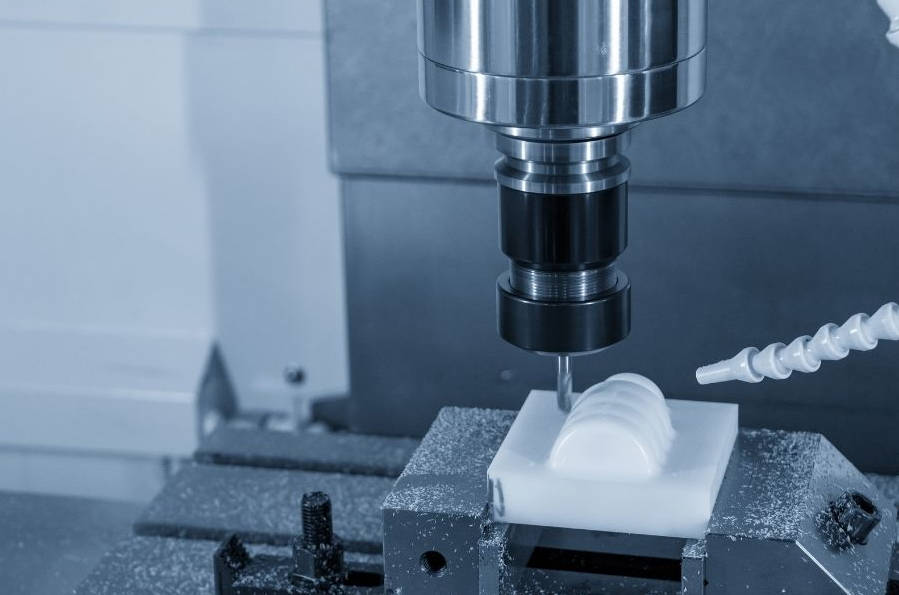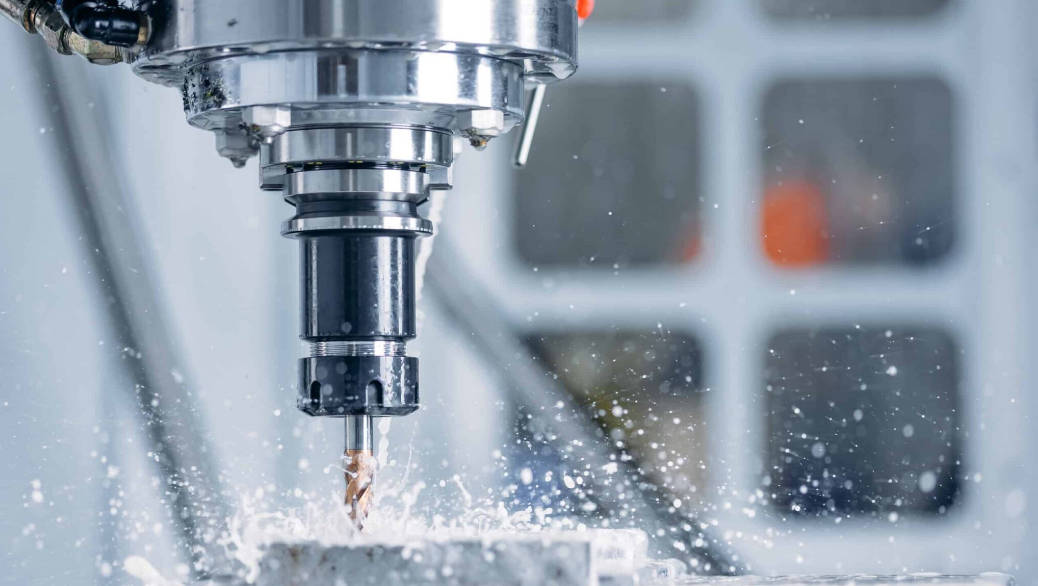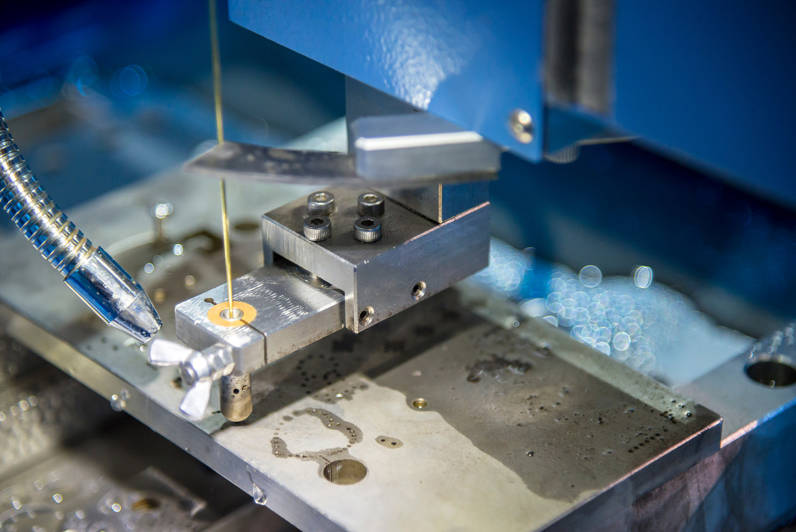
Selecting the right CNC machining manufacturer is a critical decision that directly impacts your product’s quality, cost, and time-to-market. The ideal partner is more than a supplier; they are a strategic extension of your team, offering technical expertise, robust quality control, and reliable communication. A thorough evaluation should focus on their technical capabilities, such as the types of machines and materials they handle, their certified quality management systems like ISO 9001, their proven industry experience, and their commitment to providing Design for Manufacturability (DFM) feedback to optimize your parts for production.
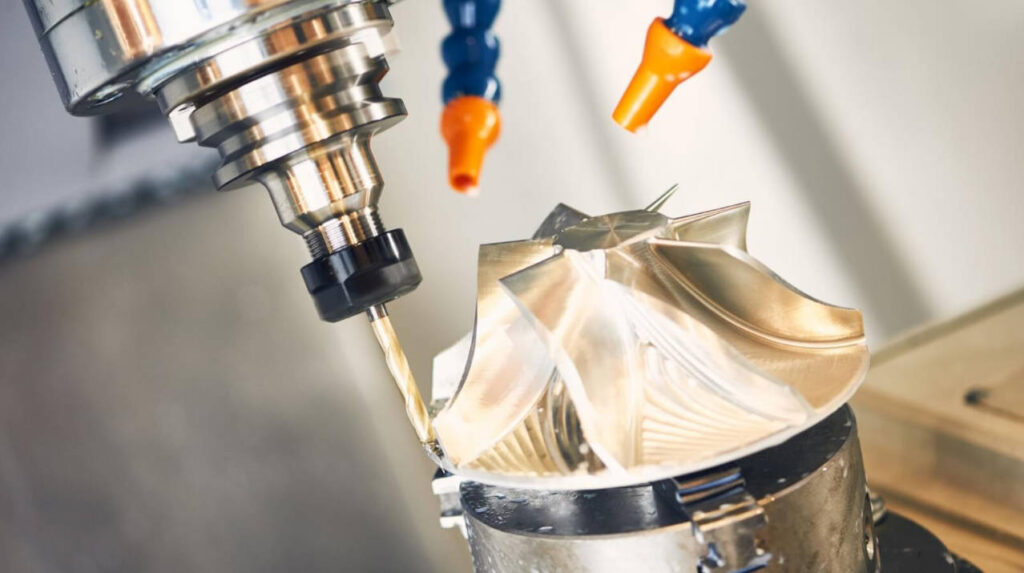
Table of Contents
- Why Your Choice of CNC Manufacturer Matters More Than Ever
- Foundational Pillars: What Are the Non-Negotiables?
- Evaluating Technical Capabilities and Equipment
- Assessing Experience and Industry Specialization
- The Partnership Factor: Communication and Support
- Logistics, Capacity, and Cost Structure
- Red Flags to Watch For When Vetting a Manufacturer
- Your Step-by-Step Vetting Checklist
- Conclusion: Forging a Strategic Manufacturing Partnership
Why Your Choice of CNC Manufacturer Matters More Than Ever
In today’s competitive landscape, the journey from a digital design file to a physical, high-quality part is fraught with potential pitfalls. A subpar manufacturer can lead to missed deadlines, budget overruns, and parts that fail to meet critical specifications, ultimately damaging your brand’s reputation. Conversely, a top-tier CNC machining partner acts as a force multiplier. They don’t just cut metal; they provide invaluable feedback that can improve your design’s functionality, reduce its cost, and ensure its long-term reliability. The right choice ensures consistency from prototype to full-scale production, giving you the confidence to innovate and scale your business effectively.
Foundational Pillars: What Are the Non-Negotiables?
Before diving into specific technical details, there are foundational aspects that any reputable CNC machining manufacturer must possess. These are the bedrock of a trustworthy and reliable partnership. They demonstrate a commitment to process, quality, and consistency that goes beyond simply owning the right equipment. Without these pillars in place, even the most advanced machine shop can produce unreliable results. These are the absolute must-haves you should verify first.
Quality Management Systems and Certifications (ISO 9001, AS9100)
A formal Quality Management System (QMS) is the first sign of a professional operation. The most recognized international standard is ISO 9001. This certification isn’t about the quality of a single part; it’s about the quality and repeatability of the *entire process*. An ISO 9001 certified shop has documented procedures for everything from quoting and order entry to machining, inspection, and shipping. This ensures consistency and provides a framework for continuous improvement. It demonstrates that the manufacturer is committed to meeting customer requirements and statutory and regulatory demands.
For more demanding industries, look for specialized certifications. AS9100 is the standard for the aerospace industry, incorporating all of ISO 9001’s requirements but adding stringent criteria for traceability, risk management, and product safety. Similarly, ISO 13485 is the standard for medical device manufacturing. If your parts are destined for these sectors, a manufacturer with the relevant certification is not just a preference—it’s often a requirement. These certifications prove the manufacturer understands and adheres to the rigorous demands of your specific industry.
Robust Inspection and Quality Control Processes
Certifications are important, but how does the manufacturer translate those standards into tangible quality on the shop floor? A critical area to investigate is their inspection and quality control (QC) department. Ask detailed questions about their equipment and procedures. Do they have a climate-controlled inspection lab? Do they use a Coordinate Measuring Machine (CMM) for complex geometries? A CMM is essential for accurately verifying dimensions on parts with intricate features and tight tolerances that cannot be measured with standard calipers or micrometers.
Furthermore, inquire about their documentation process. Can they provide comprehensive inspection reports, such as a First Article Inspection (FAI) Report, which verifies that the first production part meets all specifications? Can they supply material certifications to trace the raw material back to its source and confirm its properties? Do they have established processes for calibrating their inspection tools regularly? A manufacturer who readily provides this information and has robust in-process and final inspection stages is one that takes quality seriously, reducing the risk of receiving out-of-spec parts.
Evaluating Technical Capabilities and Equipment
Once you’ve confirmed a manufacturer’s commitment to quality, the next step is to ensure they have the right tools and expertise for your specific project. A shop’s capabilities are defined by its machinery, its team’s expertise with various materials, and its proven ability to achieve the required precision. This is where you match your part’s technical requirements to the manufacturer’s real-world abilities.
Which CNC Machines Do They Operate? (3-Axis, 5-Axis, Lathes, etc.)
Not all CNC machines are created equal. The type of machinery a shop possesses directly determines the complexity of the parts they can produce efficiently. 3-axis CNC mills are the workhorses of the industry, suitable for parts with simpler geometries. However, if your design includes complex curves, undercuts, or features on multiple faces, a 5-axis CNC machine may be necessary. 5-axis machining allows the cutting tool to approach the workpiece from five different directions simultaneously, enabling the creation of highly complex shapes in a single setup. This reduces setup time, improves accuracy, and often results in a better surface finish.
For cylindrical or round parts, you’ll need a manufacturer with CNC lathes for turning operations. More advanced shops will have multi-axis lathes or turn-mill centers that combine turning and milling capabilities, allowing for the complete machining of complex rotational parts in one operation. Ask for a detailed equipment list and inquire about the age and maintenance schedule of their machines. Newer, well-maintained equipment is more likely to hold tight tolerances and operate reliably.
Material Expertise: Do They Machine Your Required Materials?
Having the right machine is only half the battle; the manufacturer must also have deep expertise in working with your specified materials. Machining aluminum is vastly different from machining hardened tool steel, titanium, or an engineering plastic like PEEK. Each material has unique properties that affect optimal cutting speeds, feeds, tooling choices, and heat management. An experienced machinist will know how to prevent warping in plastics, manage chip control in titanium, and achieve a high-quality finish on stainless steel.
Ask the manufacturer about their experience with your specific material grade. For example, if you need parts made from 7075-T6 aluminum for a high-strength application, ask if they have machined it before and if they understand its characteristics compared to the more common 6061-T6. A lack of experience can lead to poor surface finish, dimensional inaccuracies, or even compromised material integrity due to improper machining techniques. A partner with proven material expertise is a significant asset.
Tolerances and Surface Finish Capabilities
Your design’s drawing will specify required dimensional tolerances (the permissible limit of variation in a dimension) and surface finish (the texture of a surface, often measured in Ra). It is crucial to verify that a potential manufacturer can consistently achieve these specifications. Be direct: ask what their standard machining tolerances are and what is the tightest tolerance they can hold. A reputable shop will be transparent about their capabilities.
The table below provides a general guide to what you can expect from standard versus high-precision CNC machining. Discuss your specific requirements with the manufacturer to ensure they can meet them. A shop that can hold tighter tolerances and produce finer surface finishes typically has better equipment, more skilled machinists, and more robust process controls.
| Attribute | Standard Machining | High-Precision Machining |
|---|---|---|
| Typical Tolerance | ±0.005″ (±0.127 mm) | As tight as ±0.0001″ (±0.0025 mm) |
| Standard Surface Finish (Ra) | 125 µin (3.2 µm) | Can achieve 16 µin (0.4 µm) or better |
| Typical Equipment | Well-maintained 3-axis mills, lathes | High-end 5-axis machines, Swiss lathes, CMM inspection, climate-controlled environment |
| Common Application | Brackets, enclosures, general-purpose components | Medical implants, aerospace engine components, optical instruments |
Assessing Experience and Industry Specialization
Technical capability on its own is not enough. The best manufacturing partners possess deep, domain-specific experience. They understand the unique challenges, standards, and material requirements of your industry. This specialized knowledge can be the difference between a functional part and a truly optimized one that is fully compliant with industry expectations.
How Do You Verify Their Industry-Specific Expertise?
A manufacturer claiming to be an “expert” in the medical, aerospace, or automotive industry should be able to prove it. The first indicator is their certifications, such as AS9100 or ISO 13485, as discussed earlier. Beyond certifications, look for evidence that they understand the specific demands of your sector. For example, an aerospace partner should be well-versed in requirements for part traceability, material lot tracking, and the use of specialty alloys. A medical device partner must understand biocompatibility, sterilization processes, and the importance of surface finishes that prevent bacterial growth.
During your conversations, ask them about projects they have completed that are similar to yours. Their ability to speak fluently about the challenges and solutions related to your industry is a strong indicator of true expertise. They should be familiar with common industry standards, material callouts, and inspection criteria without needing extensive explanation from you.
Reviewing Case Studies and Past Projects
The most compelling evidence of a manufacturer’s expertise is their portfolio of past work. Ask to see case studies, project summaries, or photos of parts they have machined for other clients in your industry. While they may be bound by non-disclosure agreements (NDAs) and unable to share specific designs, they should be able to show examples of parts that demonstrate their capabilities in terms of complexity, material, and finish.
Look for parts that required similar processes or had similar challenges to your own. If you need a complex 5-axis titanium part, seeing examples of other intricate titanium components they’ve produced provides significant confidence. Pay attention not just to the part itself, but to the story behind it. A good case study will outline the initial problem, the manufacturer’s proposed solution (which may have included DFM suggestions), and the final successful outcome. This demonstrates their problem-solving ability and partnership approach.
The Partnership Factor: Communication and Support
The best supplier relationships are collaborative partnerships. A manufacturer who works *with* you, rather than just *for* you, will deliver superior results. This is most evident in their communication practices and their willingness to provide engineering support, which can dramatically improve your product and reduce costs.
Is Design for Manufacturability (DFM) Feedback Part of Their Process?
Design for Manufacturability (DFM) is a process where the manufacturer reviews your design and provides feedback to make it easier, faster, and more cost-effective to produce without sacrificing function. This is one of the most valuable services a CNC machining partner can offer. A proactive partner will analyze your CAD model and suggest changes such as standardizing hole sizes, increasing internal corner radii to allow for larger tools, or changing a feature to eliminate the need for an extra setup.
When vetting a manufacturer, ask them directly if DFM analysis is part of their standard quoting and onboarding process. A simple “yes” is not enough. Ask them to provide an example of DFM feedback they have given to another customer. A partner who actively engages in DFM is invested in your success. They aren’t just trying to make a part; they are trying to make the *best possible part* in the most efficient way, saving you money and potential headaches down the line.
Communication, Responsiveness, and Project Management
Clear, consistent, and timely communication is the lifeblood of any successful project. From the initial quote to the final delivery, you should feel confident that you know the status of your order. Before committing to a manufacturer, assess their communication style. How quickly do they respond to your initial RFQ (Request for Quote)? Are their answers clear and comprehensive? Do they assign a dedicated point of contact—such as a project manager or account manager—for your projects?
A single point of contact is invaluable, as it prevents you from being bounced between different departments to get an answer. This person should be your advocate within their organization, providing you with regular updates, alerting you to any potential issues, and being readily available to answer your questions. This level of project management demonstrates a professional, customer-centric approach and is a strong indicator of a smooth and predictable manufacturing experience.
Logistics, Capacity, and Cost Structure
The practical aspects of getting your parts made and delivered on time and on budget are just as important as the technical ones. A manufacturer’s production capacity, lead times, and pricing model must align with your project’s and business’s needs, both now and in the future.
Understanding Their Production Capacity and Lead Times
It’s crucial to choose a partner whose capacity matches your needs. If you only need a few prototypes, a smaller, highly specialized shop might be a great fit. However, if you anticipate scaling to hundreds or thousands of parts, you need a manufacturer with the equipment, staff, and process automation to handle that volume without compromising quality or extending lead times. Ask about their current capacity, number of shifts they run, and their ability to scale production if your demand increases.
Lead time is another critical factor. Ask for their typical lead times for projects of similar complexity and quantity to yours. Be wary of manufacturers who consistently promise exceptionally short lead times that seem too good to be true—this can be a sign of over-promising or cutting corners on quality control. A reliable partner will provide realistic lead times and have a track record of meeting them. They should also be able to offer expedited services (for a premium) when you’re in a pinch.
How Transparent is Their Quoting and Pricing?
While cost should not be the *only* factor, it is always an important one. The goal is to find a partner who offers fair, competitive, and transparent pricing. When you receive a quote, it should be clearly itemized. Does it break down the costs for materials, setup, machine time, and any secondary operations like anodizing or heat treating? A lack of transparency can hide inflated costs or lead to unexpected charges later.
Be cautious of a quote that is significantly lower than all others. This could be a red flag indicating they misunderstood the requirements, are using lower-quality material, are planning to skip critical inspection steps, or are simply trying to win the job with an unsustainable price. The best approach is to seek a partner who provides good value—a balance of excellent quality, reliable service, and a fair price. They may not be the cheapest, but the total cost of ownership will be lower due to fewer errors, delays, and rejected parts.
Red Flags to Watch For When Vetting a Manufacturer
During your evaluation process, be alert for potential warning signs that might indicate a problematic partnership ahead. These red flags can save you from costly mistakes:
- Poor Communication: Slow responses to emails or calls, vague answers, or an unwillingness to provide detailed information.
- Lack of Transparency: Hesitancy to discuss their quality processes, show you their facility (if local), or provide an itemized quote.
- A “Too Good to Be True” Quote: An abnormally low price often signals a hidden compromise on quality, materials, or process.
- No Industry-Specific Experience: If they can’t speak knowledgeably about your industry’s standards and challenges, they are not the right expert partner.
- Absence of a Formal QMS: A shop operating without at least an ISO 9001 certification (or a clear path to one) may lack process control and consistency.
- Outdated or Poorly Maintained Equipment: A messy, disorganized shop with old machinery is a sign of a lack of investment in quality and capability.
- No DFM Feedback: A manufacturer who simply accepts a design without offering any suggestions for improvement is transactional, not a true partner.
Your Step-by-Step Vetting Checklist
Use this checklist to systematically evaluate and compare potential CNC machining manufacturers:
- Initial Screening:
- Does their website look professional and provide detailed information?
- Do they list key certifications (e.g., ISO 9001, AS9100)?
- Do they highlight experience in your industry?
- Request for Quote (RFQ) & Initial Contact:
- How quickly and professionally did they respond?
- Was the quote detailed and transparent?
- Did they ask clarifying questions about your design or just provide a price?
- Quality and Capability Verification:
- Request proof of their certifications.
- Ask about their inspection equipment (CMM, etc.) and processes (FAI, material certs).
- Inquire about their equipment list (3-axis, 5-axis, lathes).
- Confirm their experience with your specific material and required tolerances.
- Partnership and Process Assessment:
- Did they offer any DFM feedback or suggestions?
- Who will be your primary point of contact?
- Ask for case studies or examples of similar past projects.
- Final Decision:
- Compare the overall value (quality, support, lead time, and cost) from your top candidates.
- Consider starting with a small order or prototype run to test their performance before committing to a larger project.
Conclusion: Forging a Strategic Manufacturing Partnership
Choosing a CNC machining manufacturer is not a simple procurement task; it’s the formation of a strategic partnership that is fundamental to your product’s success. The ideal manufacturer provides a powerful combination of technical capability, unwavering commitment to quality, industry-specific expertise, and proactive communication. By looking beyond the price tag and conducting a thorough evaluation of their processes, capabilities, and partnership potential, you can secure a partner who will not only produce your parts flawlessly but will also contribute to your innovation and growth for years to come. This investment of time and due diligence at the outset will pay immense dividends in the form of reliable quality, on-time delivery, and a truly collaborative manufacturing relationship.
CNC Machining Manufacturer, How to Choose a CNC Machining Partner, CNC Machine Shop, Criteria for Selecting a CNC Manufacturer, What to Look for in a CNC Service Provider, CNC Machining Quality Control, Design for Manufacturability (DFM), ISO 9001 CNC Machining, 5-Axis Machining Services, CNC Machining Tolerances, Vetting CNC Suppliers